The most awaited moment of the international annual photographic competition devoted to natural heritage has come. We are delighted and proud to present the top 20 best images of Wiki Loves Earth 2025, traditionally divided into two categories: macro and landscapes.
- This year, we had a record number of participating countries and territories, which reached 57.
- As a result, we received around 80 000 submissions from more than 5 200 participants worldwide.
- This year, we received a record number of submitted local winning images, which reached 618, and were evaluated on the international level.
Traditionally, each country/territory has chosen up to 15 local winners in two categories — not more than 10 from each of the two categories: landscapes (including individual trees if it’s a nature monument), and macro/close-up (animals, plants, fungi).
13 experienced photographers, visual experts, and Wikimedians from all around the world were part of the international jury and devoted their time and efforts to selecting the top 20 international winners.
You can read more about the jury team here.
We sincerely thank each juror for the time and dedication they devoted to reviewing contest images from around the world — especially this year, when we received a record number of local winning images.
- Celebrate this year’s winners with us during the Wiki Loves Earth 2025 Award Ceremony on 19th December, at 13:30 UTC on Zoom. Check the time with your local timezone here.
If you want to participate, please register by filling out this short form, and we will send you an invitation link after.
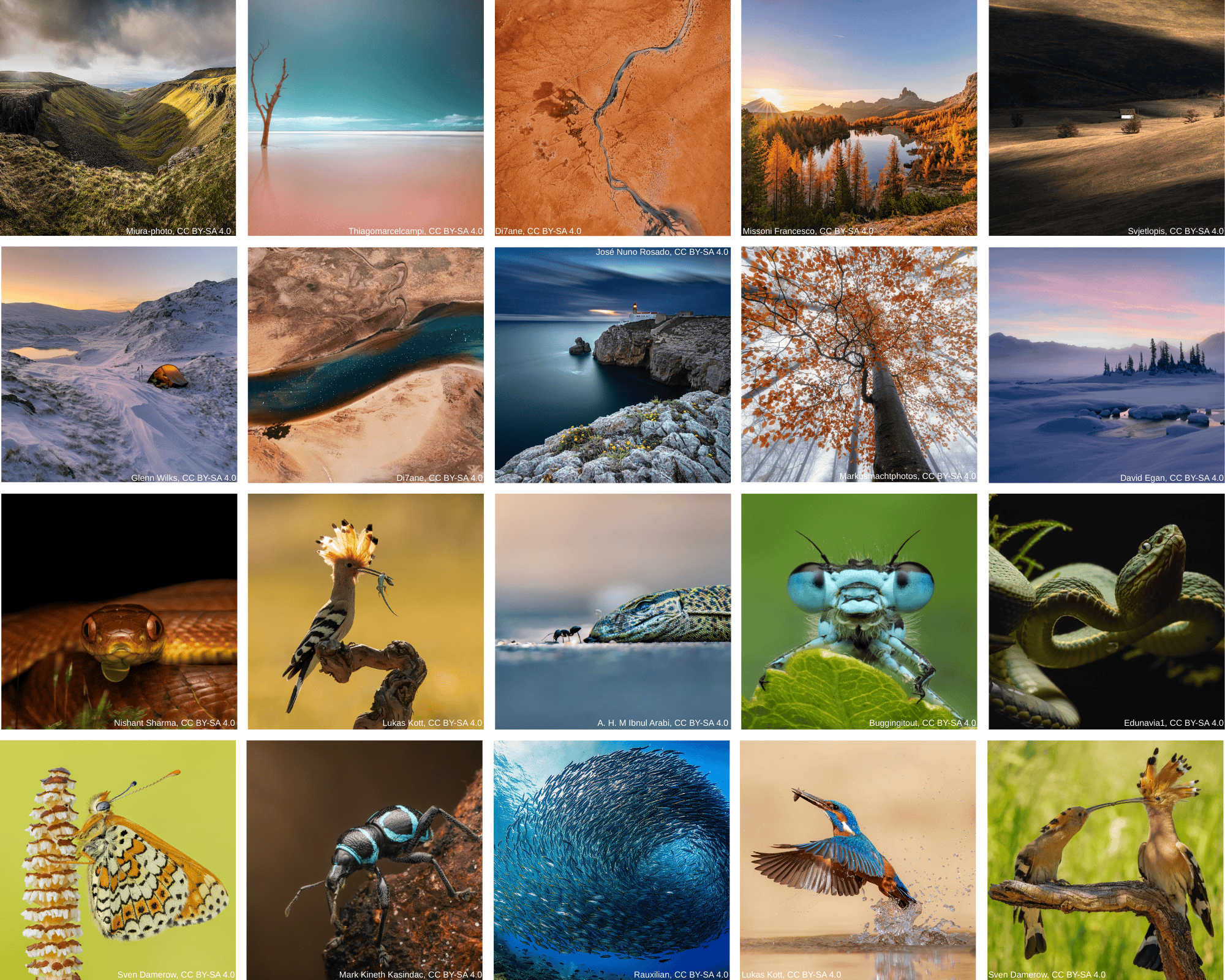
After several rounds of voting and review, we are excited to finally announce the top 20 best images in two categories from 13 countries, showcasing the fascinating world of animal and plant species as well as stunning landscapes.
Macro/close-up
1st place
The category of macro images opens with a breathtaking close-up that depicts a posing green jararaca (Bothrops bilineatus) on the territory of Carrasco National Park in Bolivia.
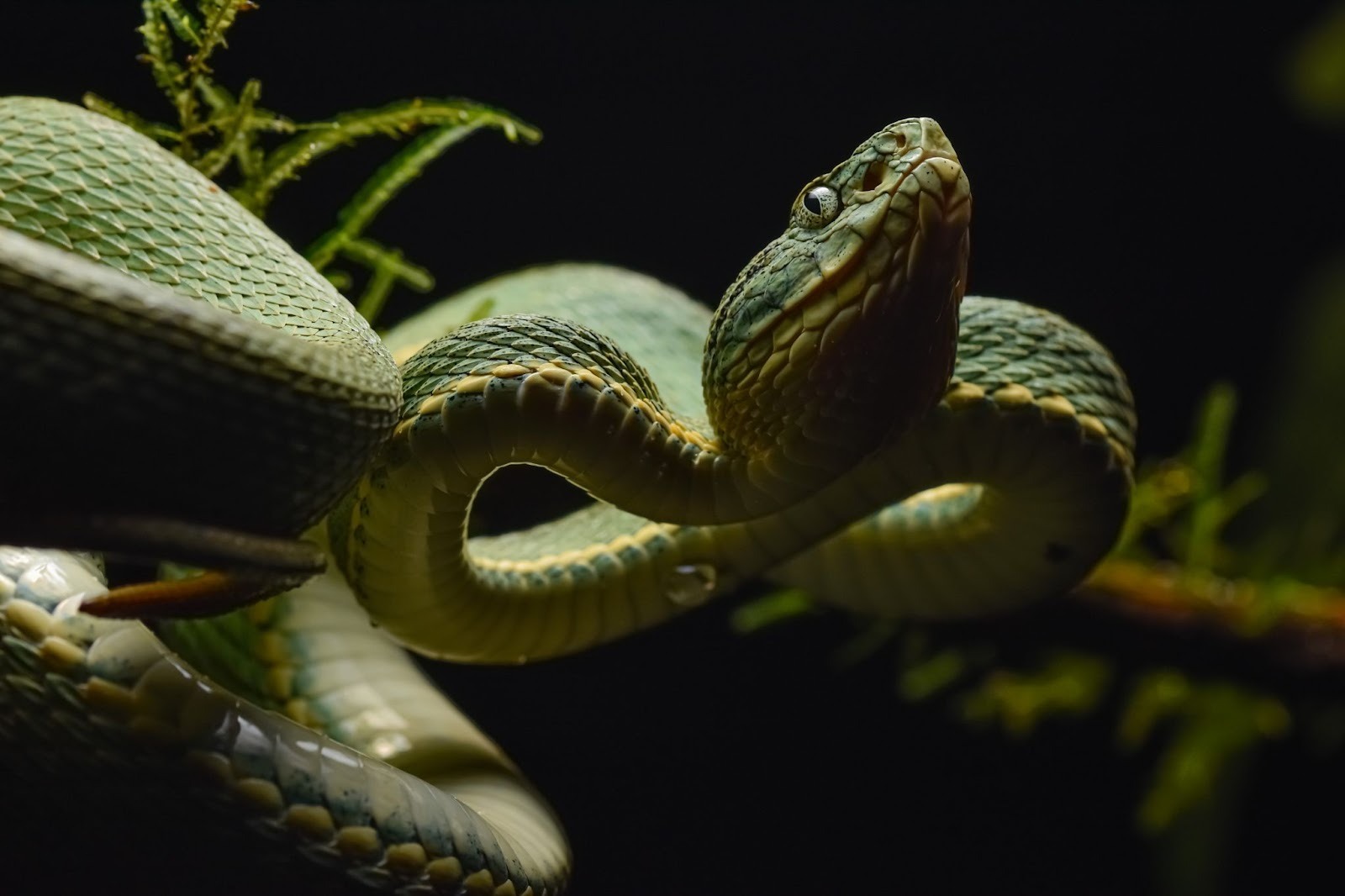

Jury members were impressed by this image the most and shared:
“This photograph captures a strikingly dramatic moment, highlighting the snake’s elegant yet tense posture. The sharp focus on its textured scales contrasts beautifully with the dark, blurred background, emphasizing depth and mystery. The lighting adds an almost cinematic intensity. Altogether, the composition conveys both beauty and latent power, creating a sense of quiet suspense.” — Suzanna Tymochko.
“This shot is one of the best submitted to the competition, in my opinion. The snake’s pose, the curves of its body, its scales, its gaze — an unrivaled capture of the reptile’s beauty in a single frame. It seems as if in another moment the snake will strike its prey. Magnificent!” — Inessa Yurovskikh.
“The image is striking! The green snake with yellow accents is posed dramatically, coiled and looking upwards with its head raised. The lighting highlights the snake’s scales and creates a dynamic contrast against the dark background.” — Jhuma Datta.
“The superb color and lighting treatment, as well as the perspective chosen by the photographer — all of which are on point. The resolution is impressively high-quality, and the details are a chef’s kiss to me!” — Lloyd Ericson Castro Rodriguez.
2nd place
The next macro image comes from England and illustrates the focus stack of a common blue damselfly (Enallagma cyathigerum), found beside a river in the Norfolk Broads National Park.
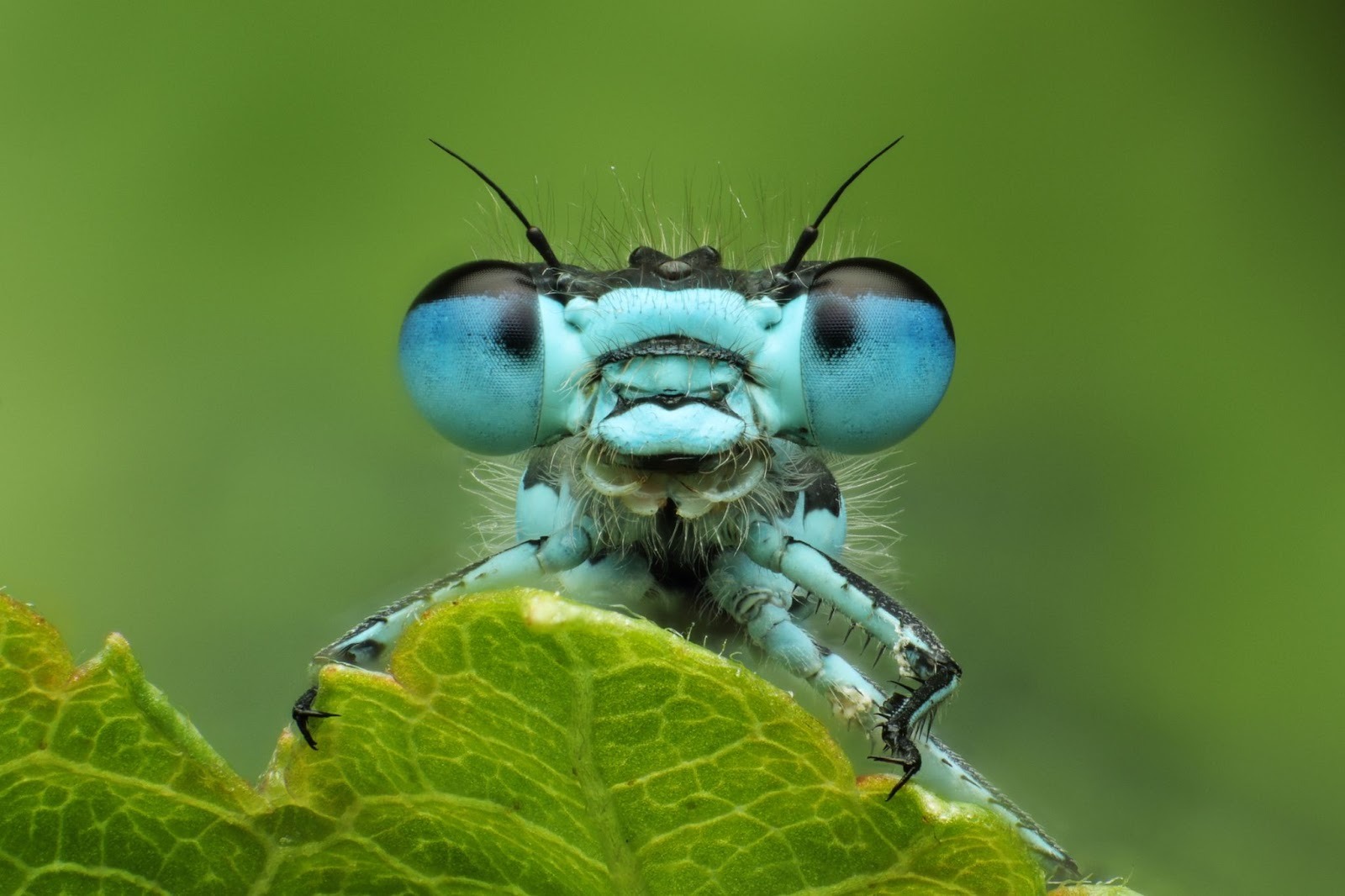

Juror Jophel Botero Ybiosa highlighted: “This stunning close-up shot displays vibrant colors, excellent exposure, and balanced composition”.
Lloyd Ericson Castro Rodriguez commented: “One strength of a powerful macro shot is its clarity of detail, and this one more than meets that criterion. The frontal shot, efficiently framed by the photographer, is so on point that it draws viewers into an eye-to-eye, mano a mano interaction with the damselfly. Its high quality and clear depiction make it even more substantial for WLE”.
3rd place
This image captures the feeding process of an Eurasian hoopoe (Upupa epops) pair in the Mittlere Elbe-Steckby protected landscape area in Germany.
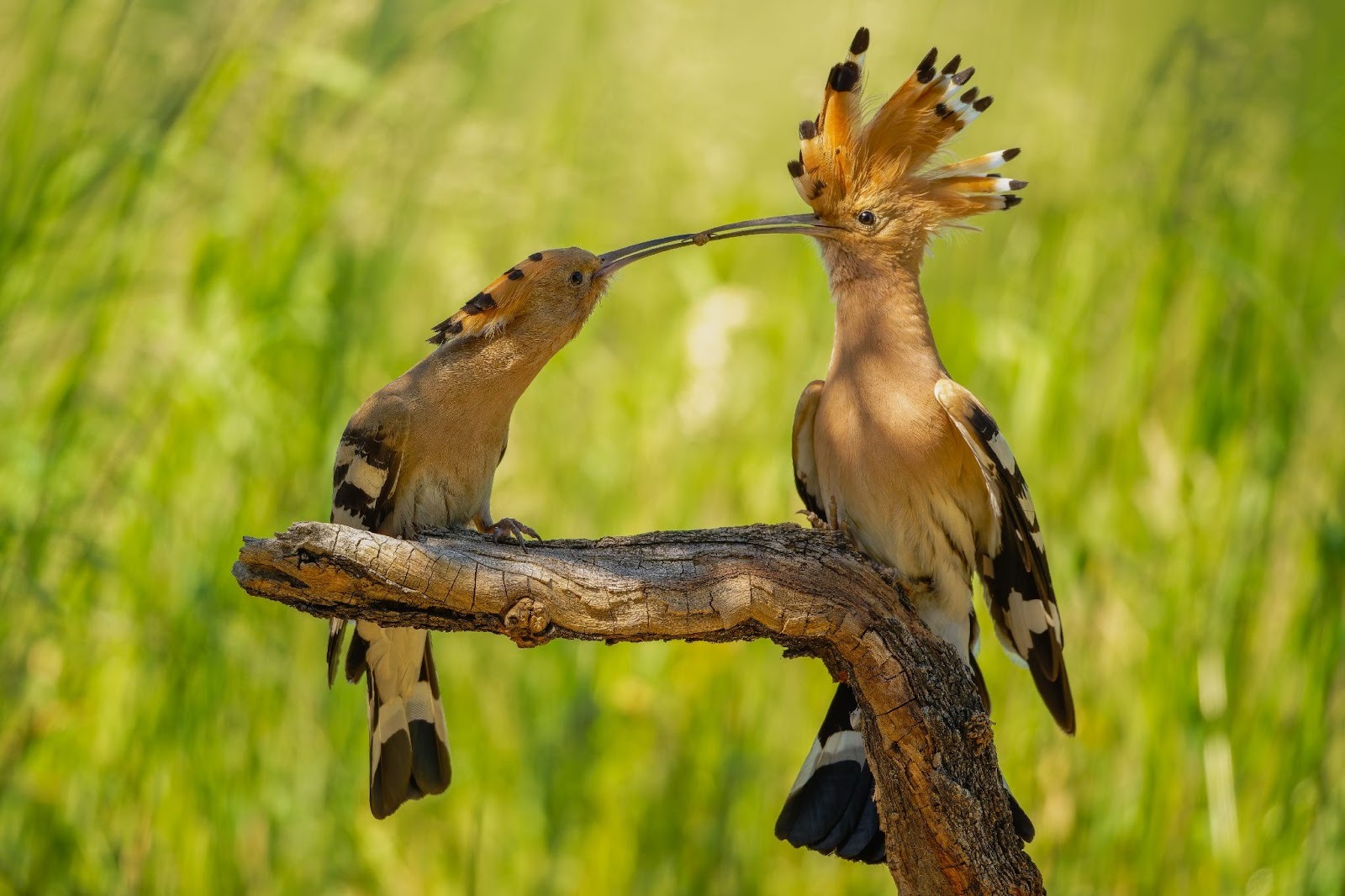

Lloyd Ericson Castro Rodriguez points out: “This is a clean shot. The quality is crisp, and the colors are well-balanced across the frame. Moreover, this shot captures the birds in dynamic poses (one appearing more dominant, the other more submissive), telling a different story from the mid-flight shots we saw last season”.
Inessa Yurovskikh added: “Of all the shots of udots submitted to the competition, this one resonates with me the most. Yes, the birds aren’t in flight. But the scene itself, the interaction between the birds, shows how different these birds are. Even the light falling through the foliage on one of the birds beautifully emphasized this”.
Jhuma Datta: “Love is in the air. Thought-provoking image”.
4th place
A well-timed moment of a common kingfisher (Alcedo atthis) hunting on a pond was captured in Poodří Protected Landscape Area, Czech Republic.
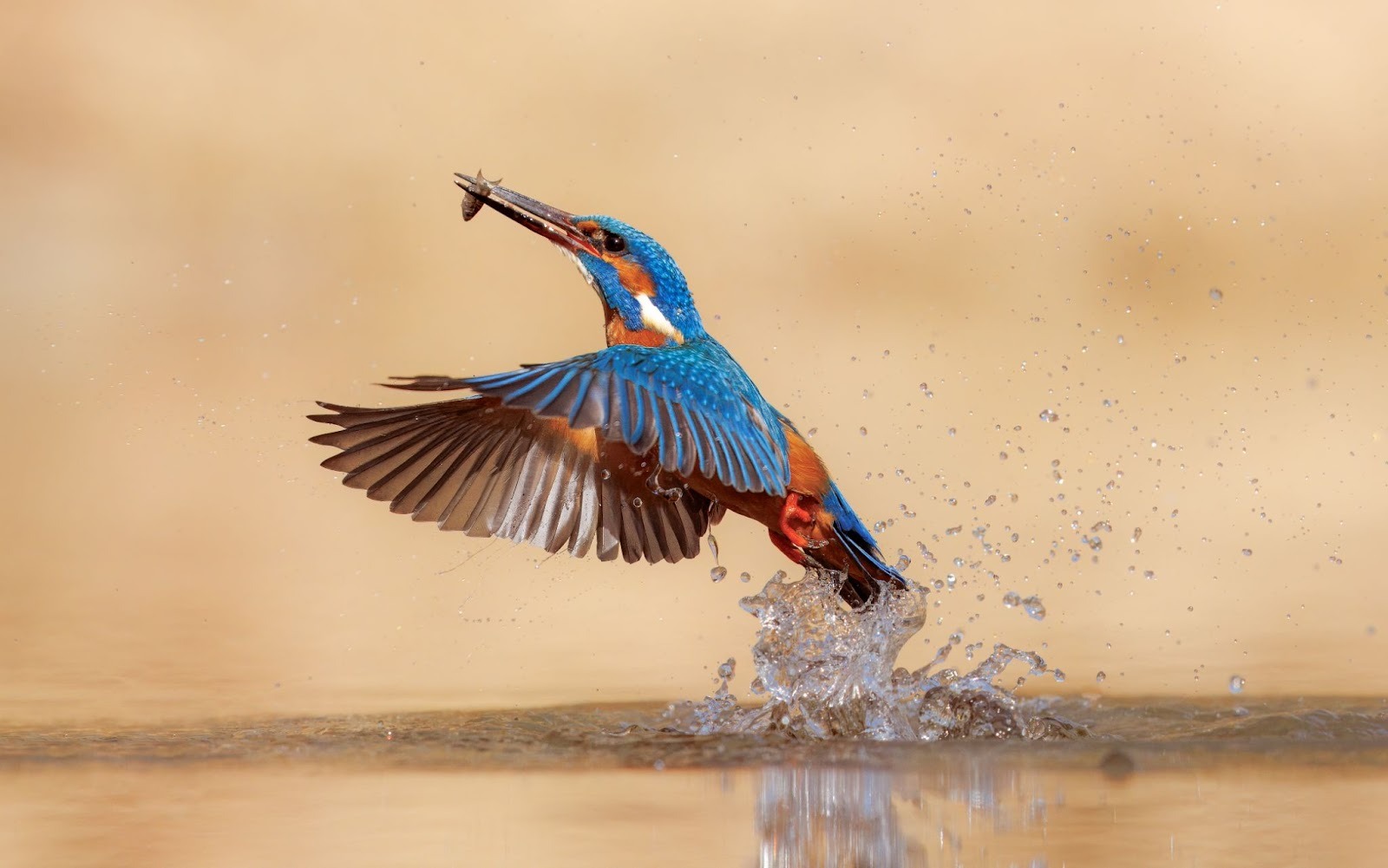

Jhuma Datta shared her thoughts about this image: “Composition and timing bring this fleeting instant to life, making it a compelling image. The splash of water adds dynamic energy, while the blurred background beautifully isolates the bird’s striking features”.
Inessa Yurovskikh commented: “A magnificent dynamic shot. The hunter is bright and fast, and so is his prey. The splashes of water, the light, the color of the image, the blurred background — everything is perfect and so appropriate”.
Jophel Botero Ybiosa added: “This captivating image is a result of the photographer´s patience and precision. Excellent timing, great composition and vibrant colors! Fantastic job!”.
5th place
On this image, a swirling ball of countless reef fish named yellowstripe scad (Selaroides leptolepis) forms a mesmerizing bait ball beneath the clear waters of Tawi-Tawi, Sibutu and Tumindao Islands, the Philippines, and was captured amid vibrant coral reefs teeming with marine life.
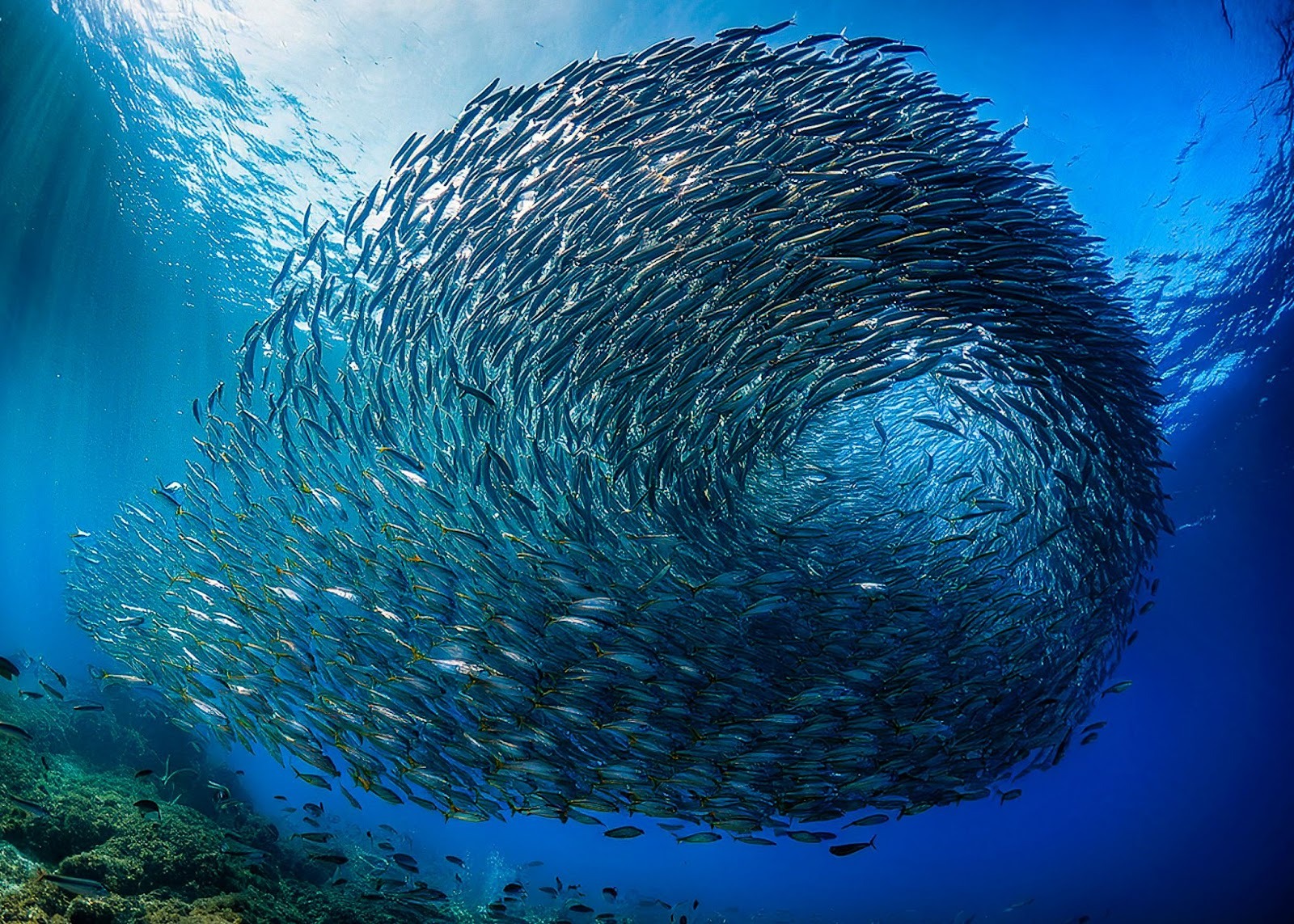

Lloyd Ericson Castro Rodriguez described: “This is a strong entry. One of WLE’s missions is to unravel the many unseen wonders of our planet, and this one fits the bill. While it’s not the first time I’ve seen such a shot of the underwater environment, it’s still not an everyday scene. Its inclusion here is a breath of fresh air, especially considering the sameness of many other entries. This shot captures the dynamics of the natural world”.
Inessa Yurovskikh added: “A beautiful swirl of fish in the underwater world. Our planet is so diverse and delightful, but unfortunately, there were very few photographs from the underwater kingdom. Of the remaining shots, this one could be a wonderful addition to the winning images”.
Jhuma Datta: “Breathtaking image. The way the fish moves in unison, creating a swirling vortex, is truly captivating”.
6th place
This photograph was taken in the National Botanical Garden of Bangladesh. A black carpenter ant (Camponotus compressus) was tearing flesh from the carcass of a Bengal monitor (Varanus bengalensis). As the life of the monitor ends, the small ant struggles to survive by feeding on it. This is a remarkable example of nature’s food chain.
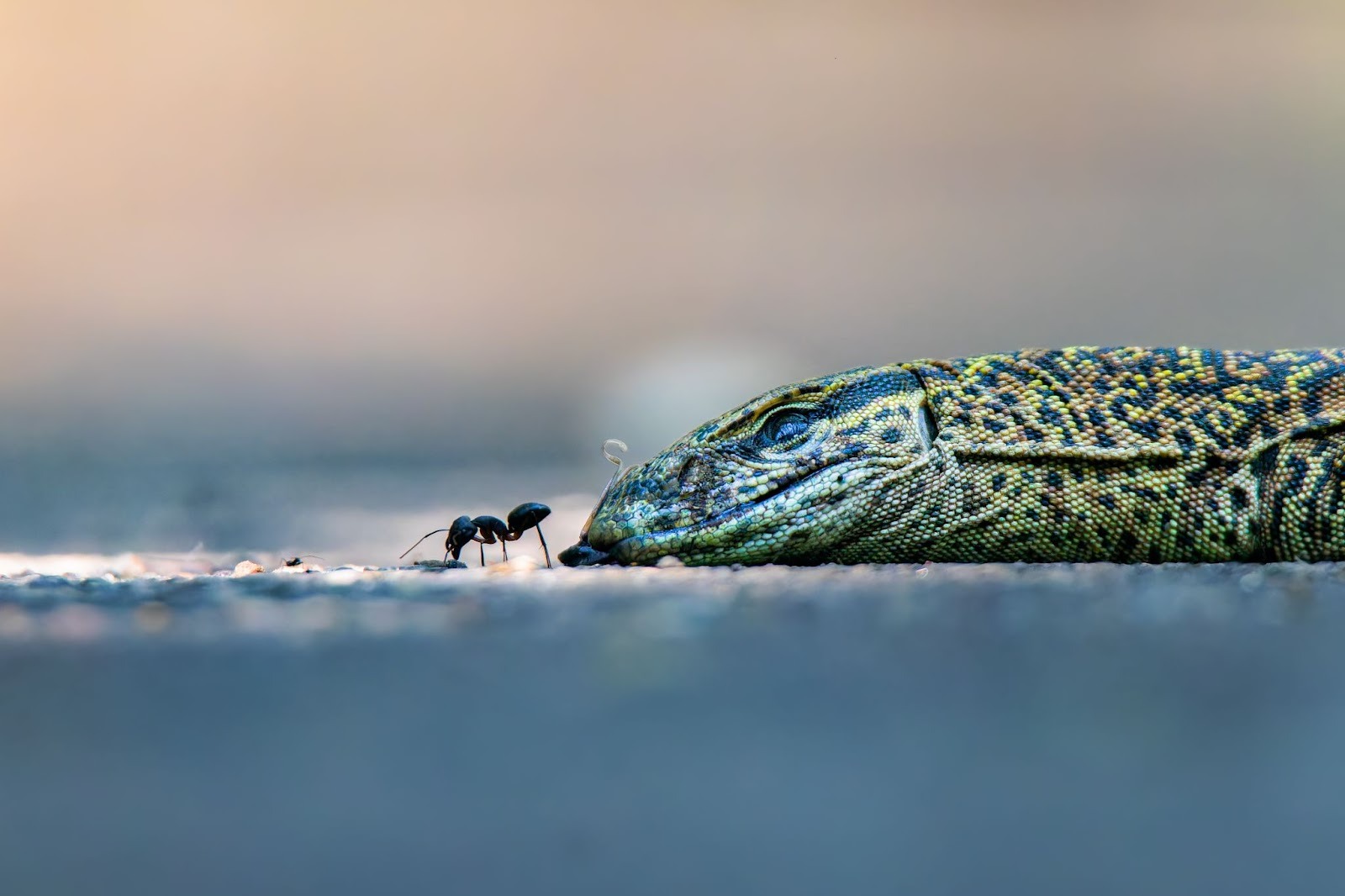

Juror Rakesh Baro shared: “Beautiful lighting and a compelling natural history moment. I love the perspective, the photographer skillfully went down to eye level to achieve excellent subject separation. The image tells a wonderful story”.
Jophel Botero Ybiosa highlighted: “Striking image with the use of contrasting subjects to tell a story!”.
7th place
The next macro shot depicts Glanville Fritillary (Melitaea cinxia) in the Wittenberge-Rühstädter Elbniederung Nature Reserve in Germany.
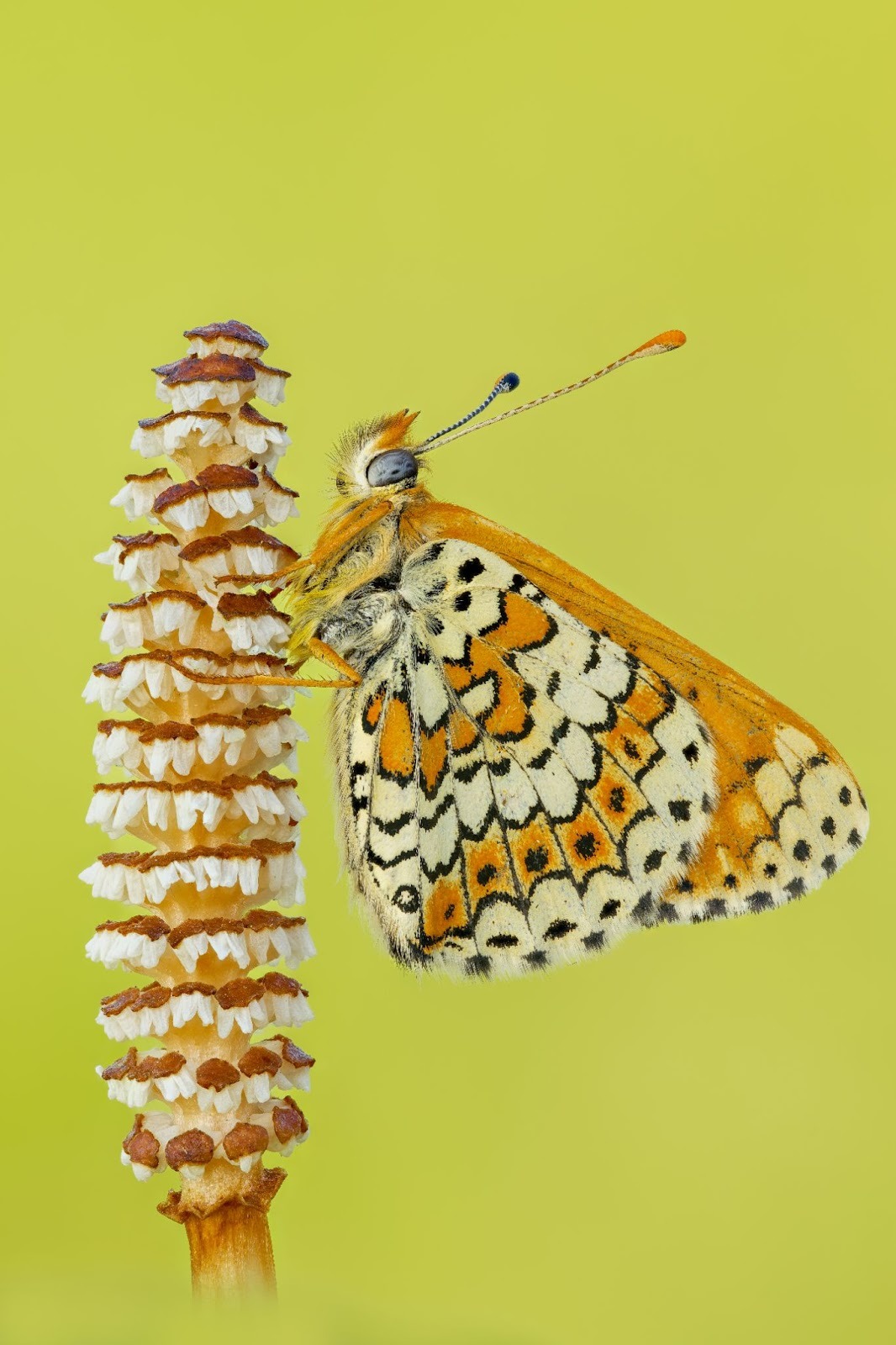

Johan Jönsson draws attention to: “One of those photos which feel like they are made for an encyclopedia, or for a well-illustrated book on the topic”.
Lloyd Ericson Castro Rodriguez: “This work is one of the best examples of how simplicity, when coupled with efficiency and clarity of purpose, can keep pace with, if not outshine, others. Even when you zoom into the frame, the details of the subjects remain crisp and clear, thanks to its high-quality dimensions”.
Suzanna Tymochko: “We can see every detail of a butterfly’s wings — the scales, the hairs, even the structure of its eyes. This photo is a great example of macro photography”.
Jophel Botero Ybiosa: “A stunning image with details and vibrant colors. The plain background effectively highlights the subject”.
8th place
This image shows us an illustration of weevil (Metapocyrtus reyesi) in Northern Negros Natural Park, the Philippines. As the author said, this unique coloration may indicate a potential case of natural variation or localized adaptation, and it adds new insight into the phenotypic diversity within the species.
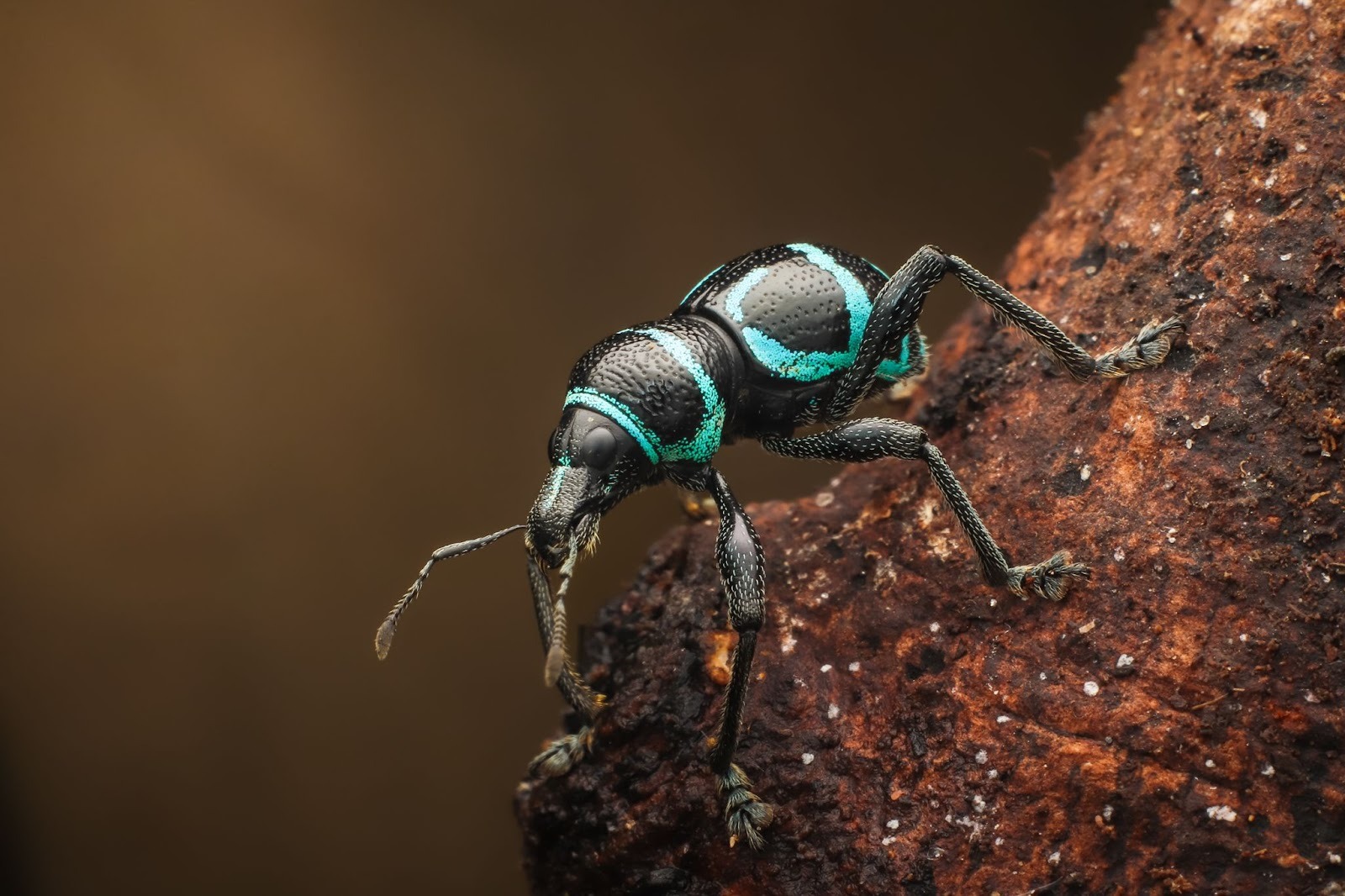

Inessa Yurovskikh commented: “A stunning shot of a weevil! Everything about this frame is beautiful. This wonderful little creature is perfectly focused, allowing you to examine it in exquisite detail. Every hair on the insect is visible. The muted background and chocolate-colored tree bark perfectly complement the incredible color of the weevil’s back”.
Lloyd Ericson Castro Rodriguez mentioned: “This is one of the very few macro shots of the small world this season that is exceptionally clean in framing (the consideration of negative space works for me) and remarkably clear in detail (no need to zoom further). The color treatment is on point and very contextual, as the photographer effectively contained the elements of the environment presented — particularly the colors of the weevil — in such an aesthetic approach that naturality is preserved. As a STEM teacher, this is one of those works that I could use as an effective instructional material. Another plus factor of this entry is its detailed description, which adds to its high potential for usability by Wiki users”.
9th place
The next image showcases a very rare moment when a Great Crested Hoopoe (Upupa epops) flew in with a caught lizard for a female that was sitting on eggs. Photographed in the Pálava Protected Landscape Area, Czech Republic.
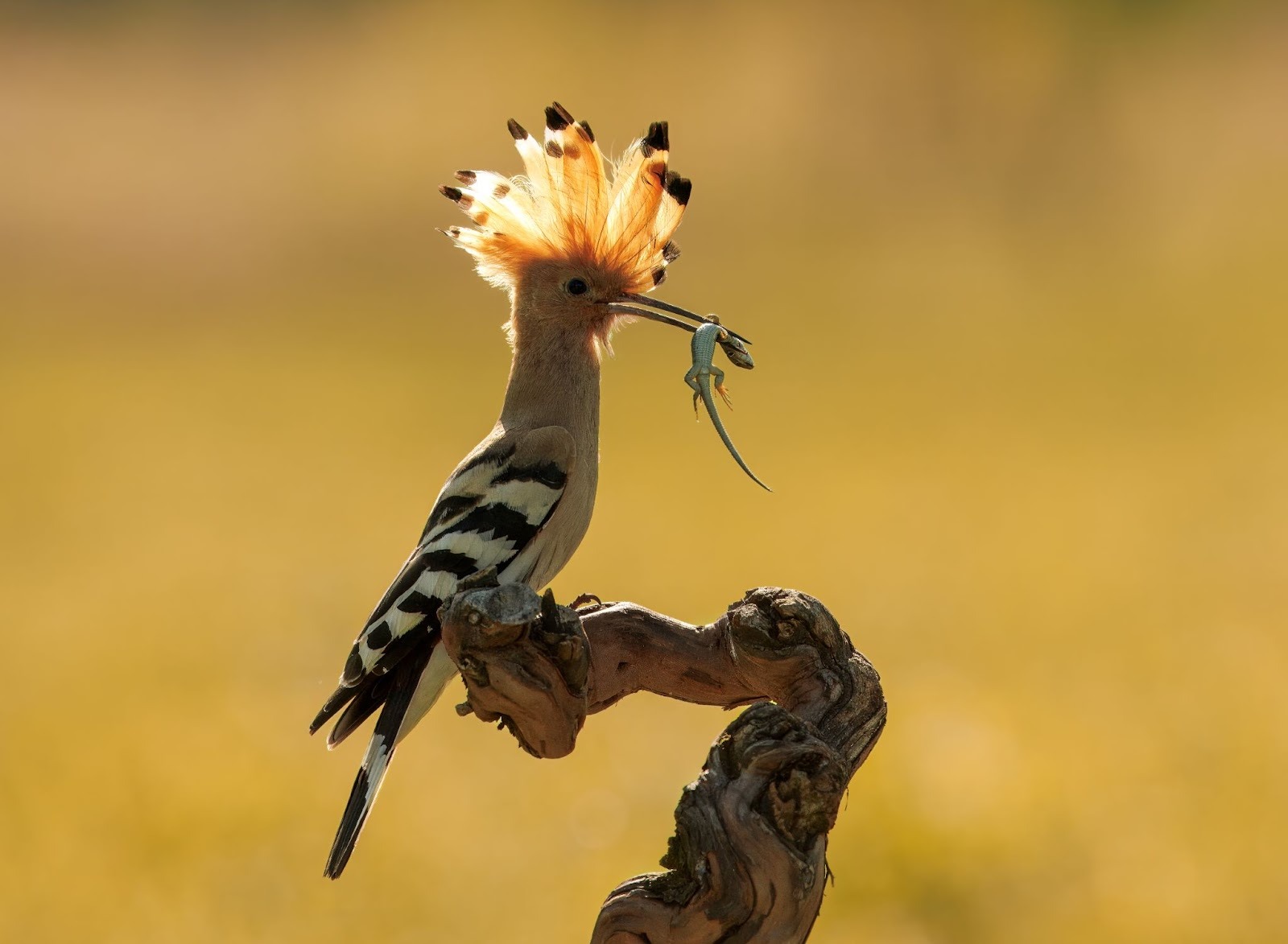

Suzanna Tymochko shares: “A wonderful contrast between the calmness of the pose and the dynamics of the moment”.
Ajeigbe Rukayat added: “The image captures the essence of life, and also the provision of food to the other animal”.
Jhuma Datta: “The composition of this frame effectively conveys an interesting story”.
10th place
The last image in еру macro category illustrates a Tawny Cat Snake (Boiga ochracea) peering through the dusk captured during the calm of evening in the lush greenery in Godawari National Botanical Garden of Nepal. As the author of the photo said, this image celebrates the quiet elegance of Nepal’s often-overlooked reptilian fauna.
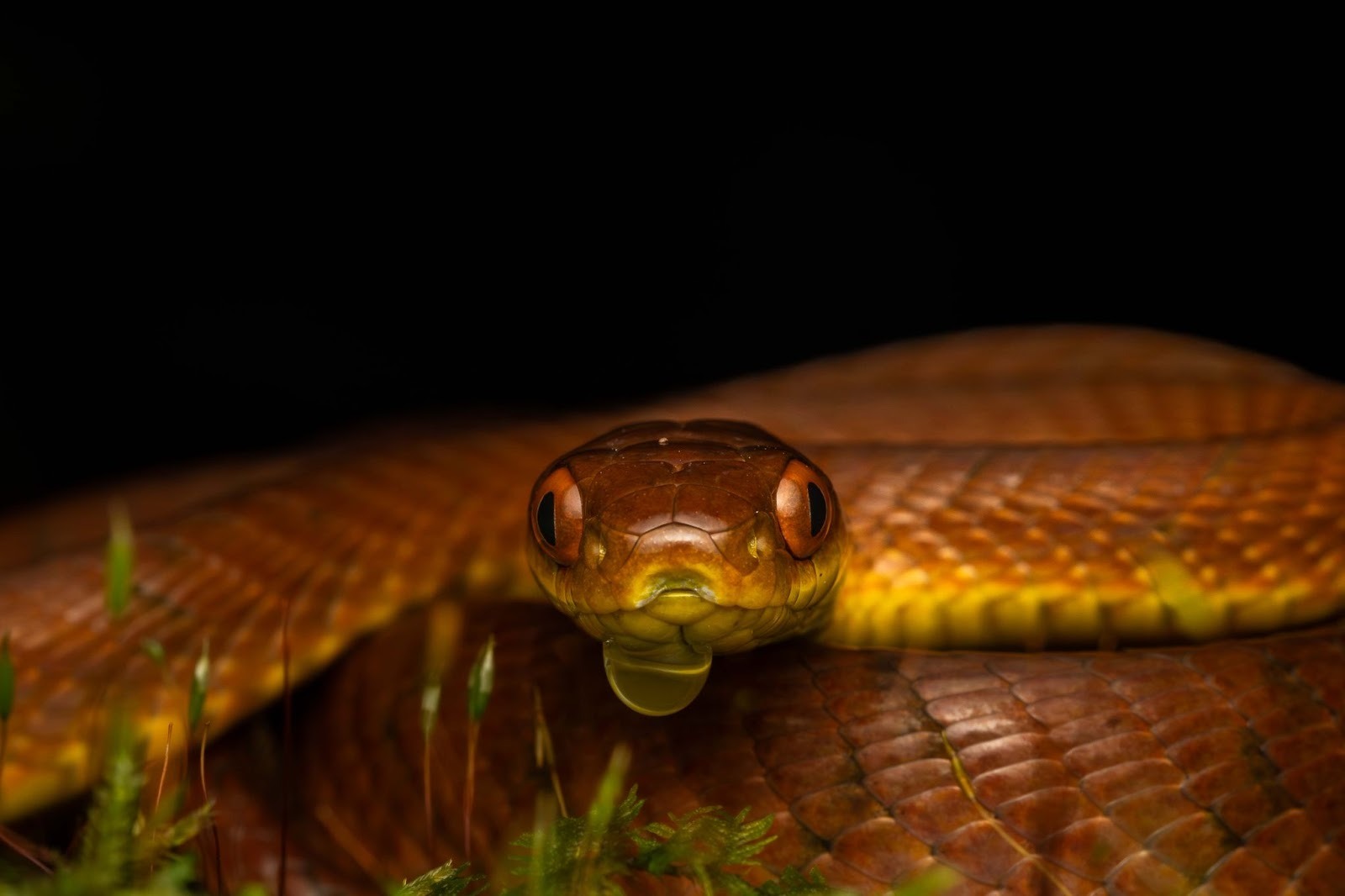

Lloyd Ericson Castro Rodriguez commented on this shot: “This portrait frame of a Tawny Cat Snake is beautifully captured. Its warm coppery-brown to orange hues remain intact even after the post-processing contrast adjustments. The water droplet clinging beneath its lower jaw adds an enticing touch of detail to the overall composition. In terms of reusability, the image maintains excellent quality in both dimensions and resolution. And that gaze from the snake… it’s almost a chef’s kiss shot for me”.
Jhuma Datta: The close up shot brings out the details of its coppery-brown scales and those piercing eyes. Good composition, sharp and overall very well done.
Ajeigbe Rukayat: The close-up image of the snake shows the intense gaze and its charisma, the contrast and the lighting complement each other.
Suzanna Tymochko: A good composition creates the effect of presence and a sense of tension.
Landscapes
1st place
The first place in the landscapes category goes to a beautiful image of a European beech (Fagus sylvatica) with autumn leaf color in the biosphere reserve Rhoen in Germany.
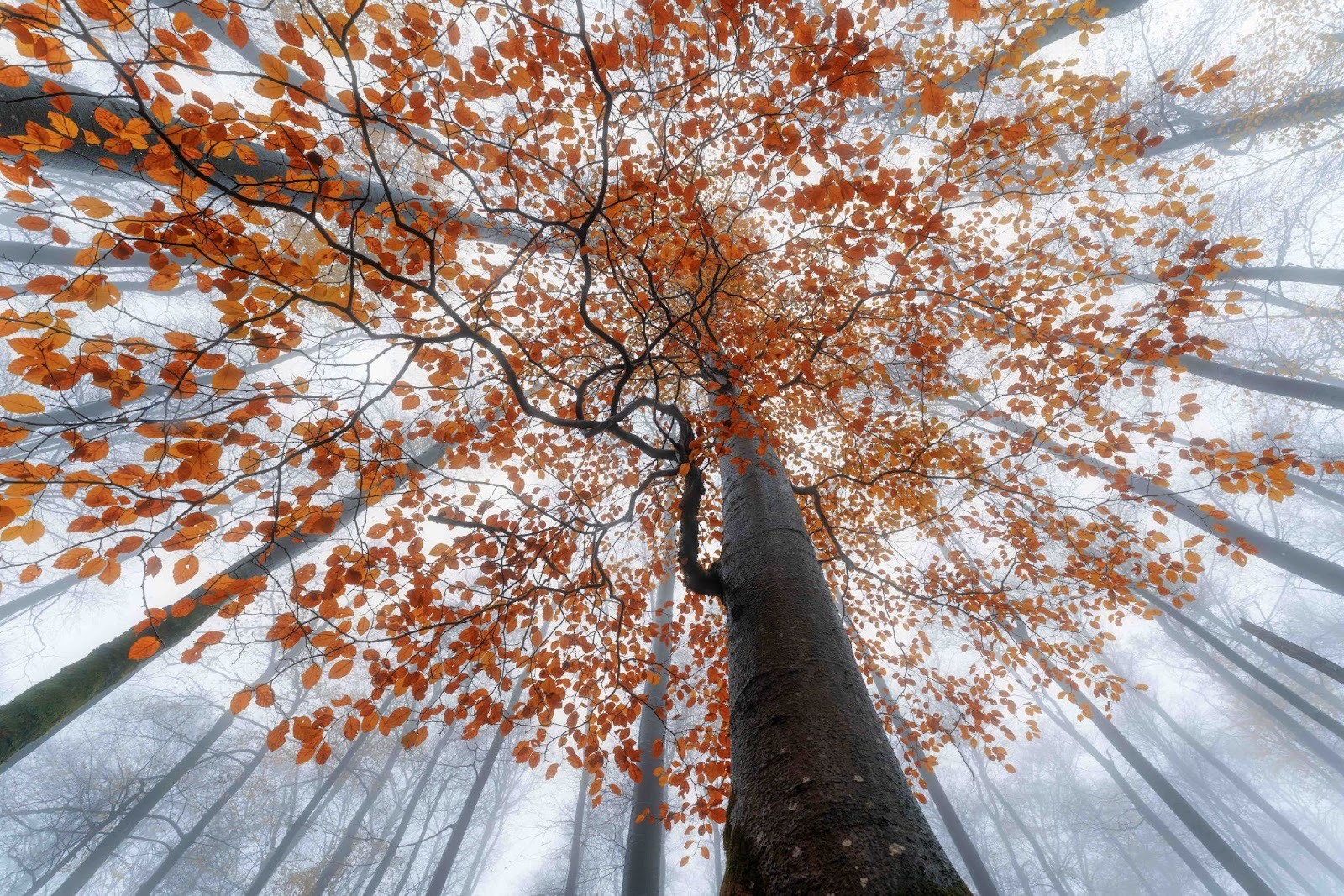

Lloyd Ericson Castro Rodriguez shared: “This perspective on the subject works well, and I love how the vibrant orange contrasts with the dreamy white tones within the frame”.
Suzanna Tymochko: “This perspective creates an immersive effect. A very atmospheric photo”.
Rakesh Baro: “Beautifully composed. The photographer effectively uses the surrounding trees as leading lines to draw the viewer’s attention to the vibrant canopy of leaves”.
2nd place
This photograph documents the effects of climate change, shown by the rise in the Atlantic Ocean’s sea level, which increasingly floods areas of Ilha do Cardoso that were previously occupied by mangroves. It is located in the State Park of Ilha do Cardoso, Cananéia, São Paulo, Brazil.
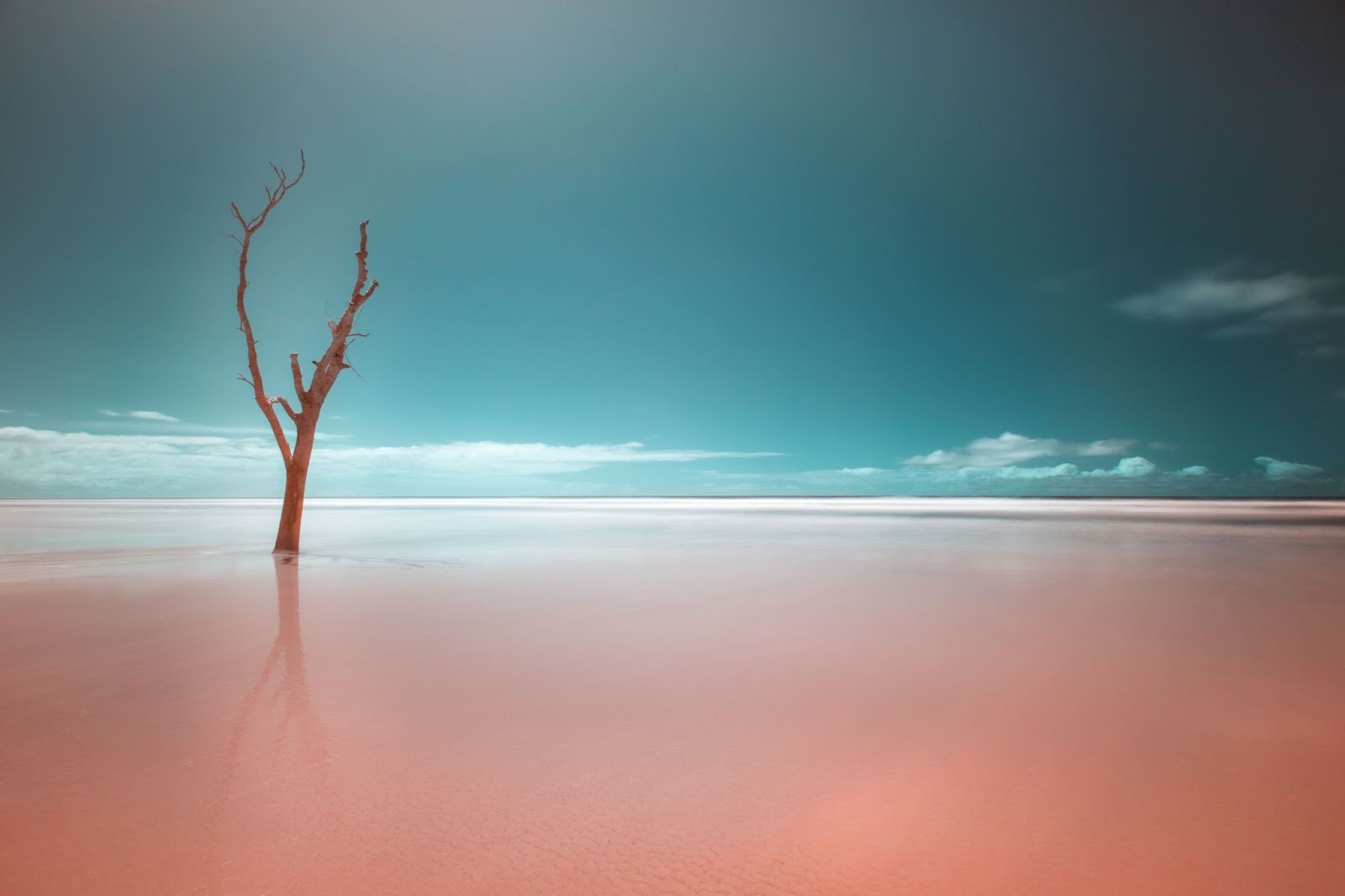

Jhuma Datta highlighted: “High resolution and dimensions of this lone tree is high in usability . The image evokes a sense of environmental starkness. Such landscapes often highlight the impacts of climate change and about fragile ecosystems and the needs for sustainability”.
Lloyd Ericson Castro Rodriguez added: “This is such an interestingly beautiful entry with an alarming backstory. The context that this frame carries is highly valuable, especially in raising awareness about the lasting effects of climate change and how this global concern could drastically transform many of the planet’s landscapes”.
3rd place
The next place goes to a magnificent aerial photography of Sulaibikhat Marine Protected Area in Kuwait.
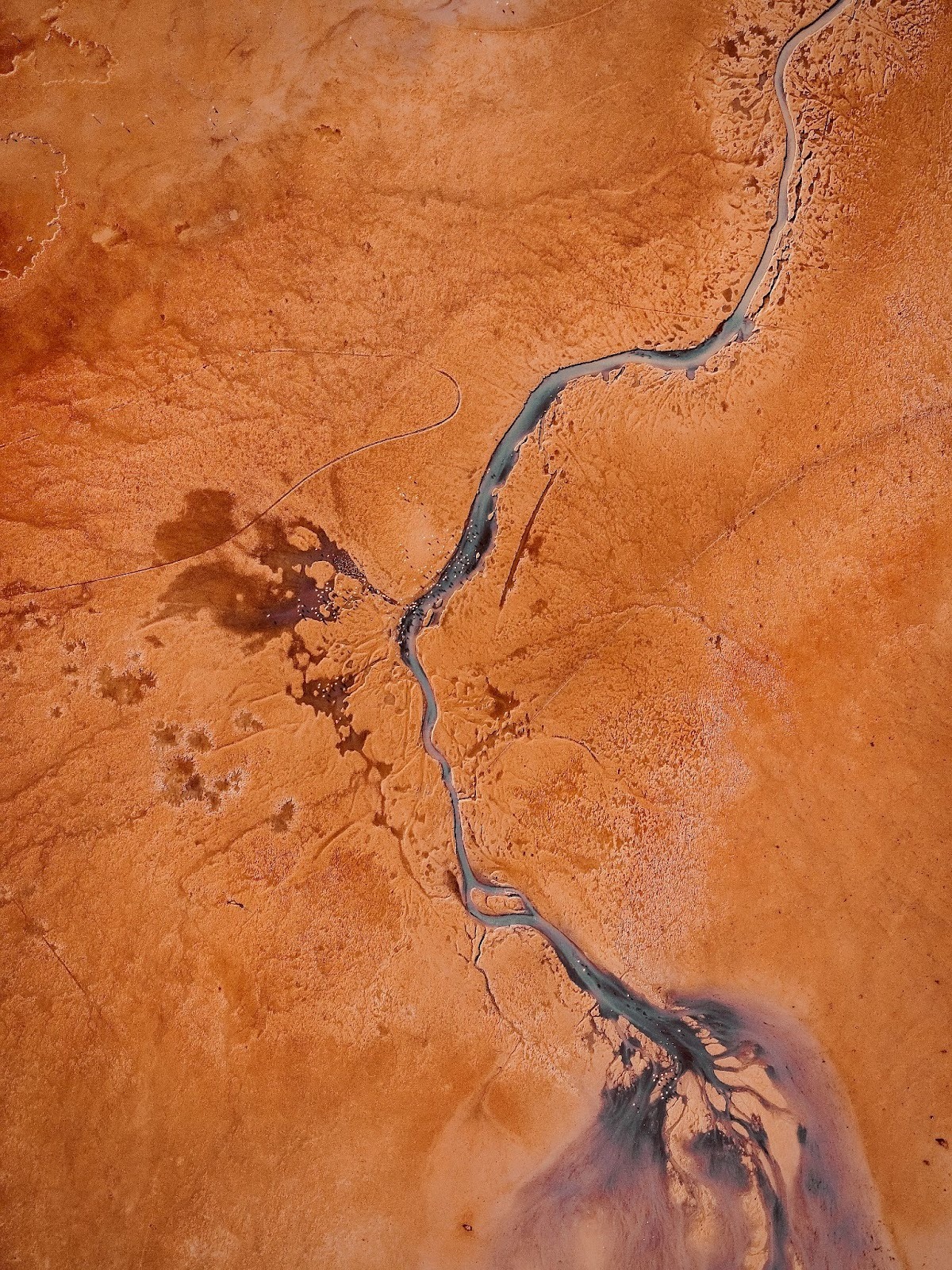

Jhuma Datta described: “The aerial perspective adds an intriguing layer to the image. Usability level of this image is very high”.
Jophel Botero Ybiosa: “A stunning, paint-like image that exemplifies the grandeur of landscape”.
Lloyd Ericson Castro Rodriguez: “The abstract treatment of this photo is effective without compromising its context as a framed landscape”.
4th place
The next place goes to another aerial image from the same author. This one is taken in Al-Khuwaisat (Al-Jahra) Natural Reserve in Kuwait.
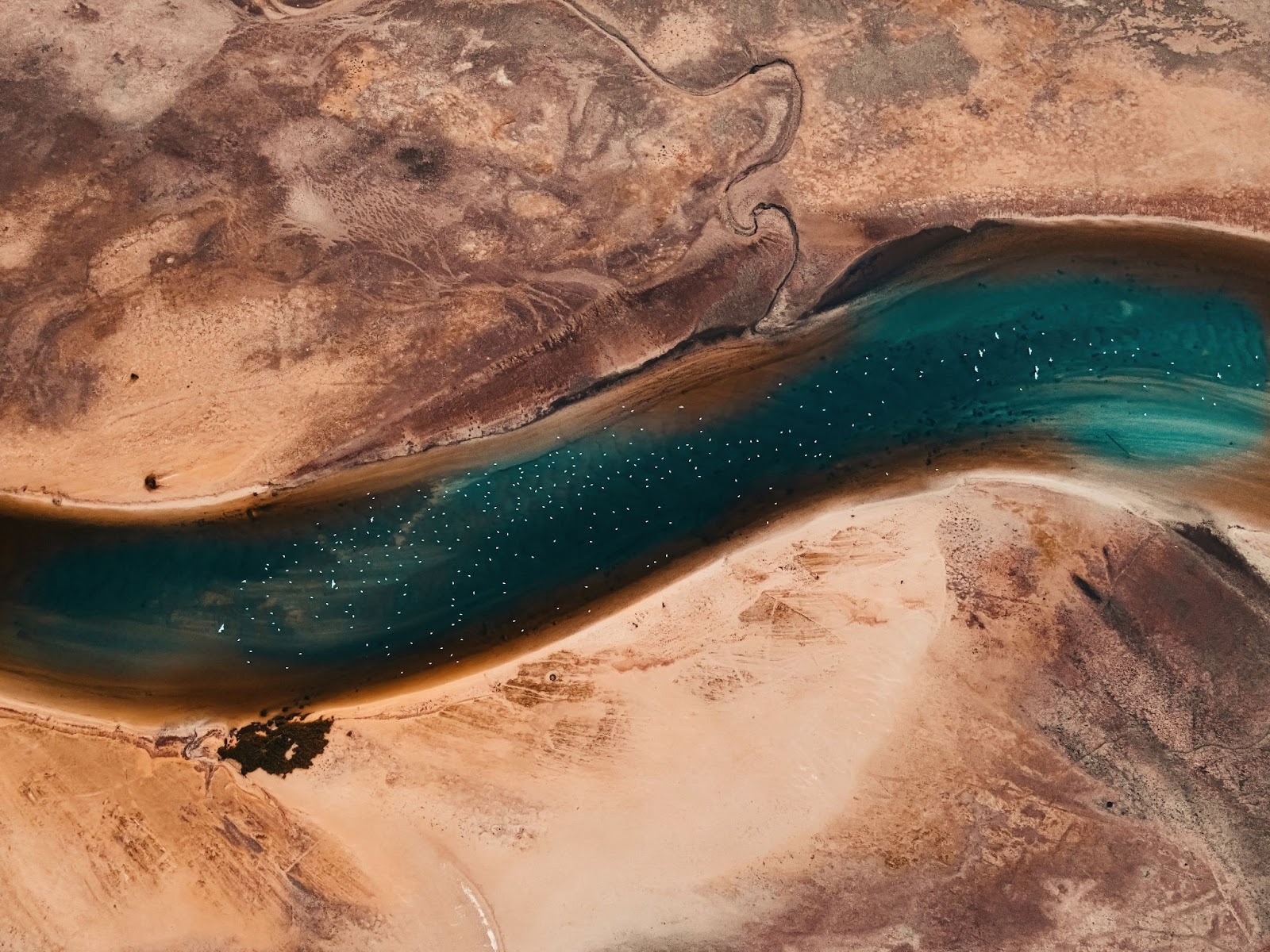

Jhuma Datta highlights: “Beauty of contrasting landscapes, with the vibrant blue river water juxtaposed against arid earth tones, evoking a sense of serene isolation. Dimension and resolution of this entry have high usability”.
Jophel Botero Ybiosa added: “This landscape image has a painterly feel with striking earth tones. The river leads the viewer’s eyes across the image, enhancing the impact”.
5th place
A warm image taken near Federa lake in the Natural regional park of Dolomiti d’Ampezzo, Monte Pelmo – Mondeval – Formin protected area, Italy.
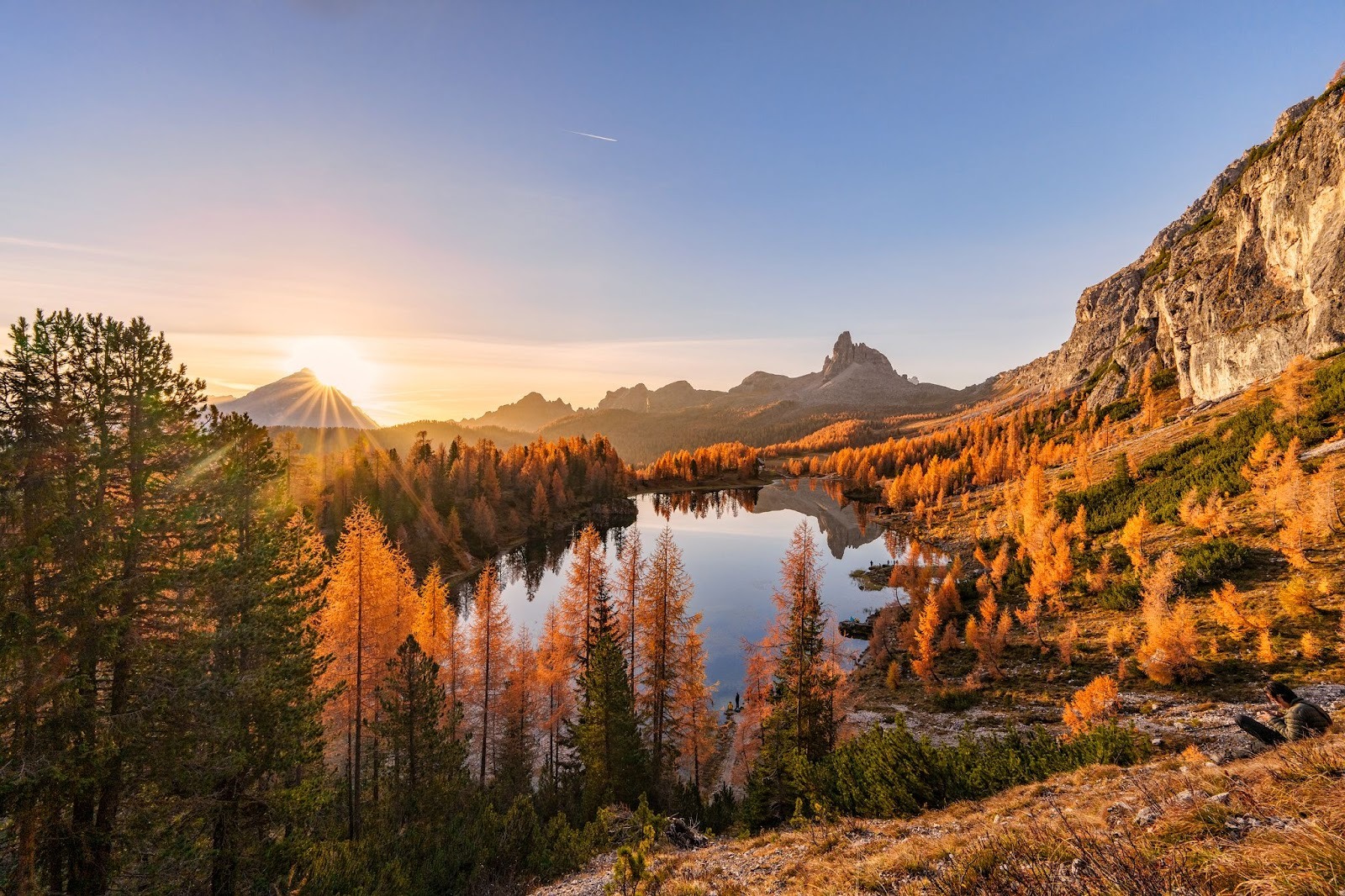

Jhuma Datta marks: “The contrast between the golden foliage and the evergreen trees adds depth to the image”.
6th place
The next place goes to a beautiful landscape of a Glaciated valley called High Cup Nick in the North Pennines, England.
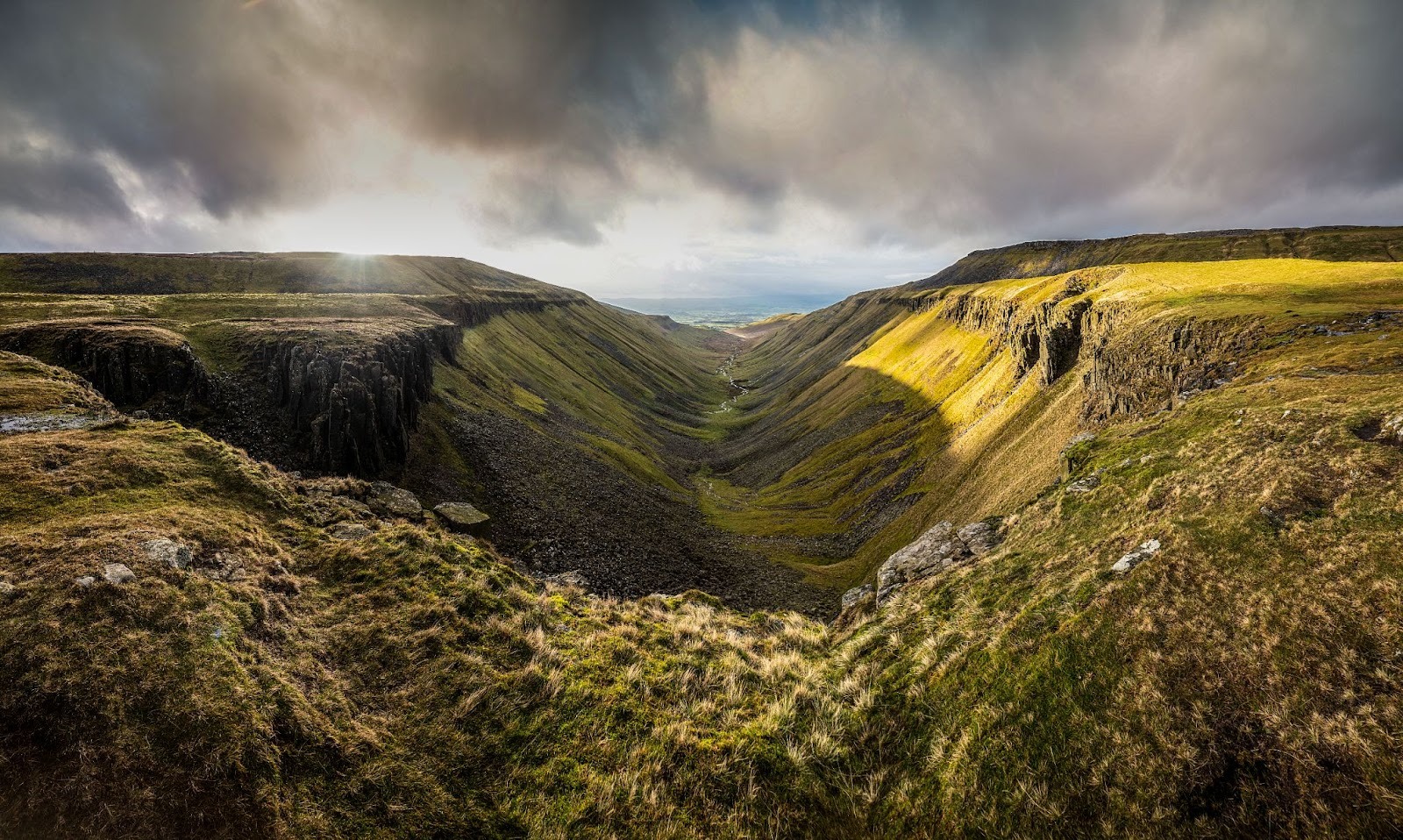
Lloyd Ericson Castro Rodriguez shared: “One of my favorite entries in the landscape category. I love how wide the scale covered within the frame is, and the color treatment effectively showcases the natural beauty of the terrain”.
Jhuma Datta added: “Beautiful landscape image. High resolution making it a great entry. Striking composition, contrast of green and yellow hues of the hills adding depth to the scene”.
Elena-Tatiana Chiș: “Beautiful landscape composition. The sky makes it a little bit dramatic but keeps the soft touch of the warm sun”.
Suzanna Tymochko: “Heavy, dark clouds, lighting, deep relief, and harsh nature create a dramatic atmosphere. The quality of the photo is also good. Probably one of my favourite landscape shots presented here”.
7th place
The next mysterious landscape image is taken in Čigota, Zlatibor protected area, located in Serbia.
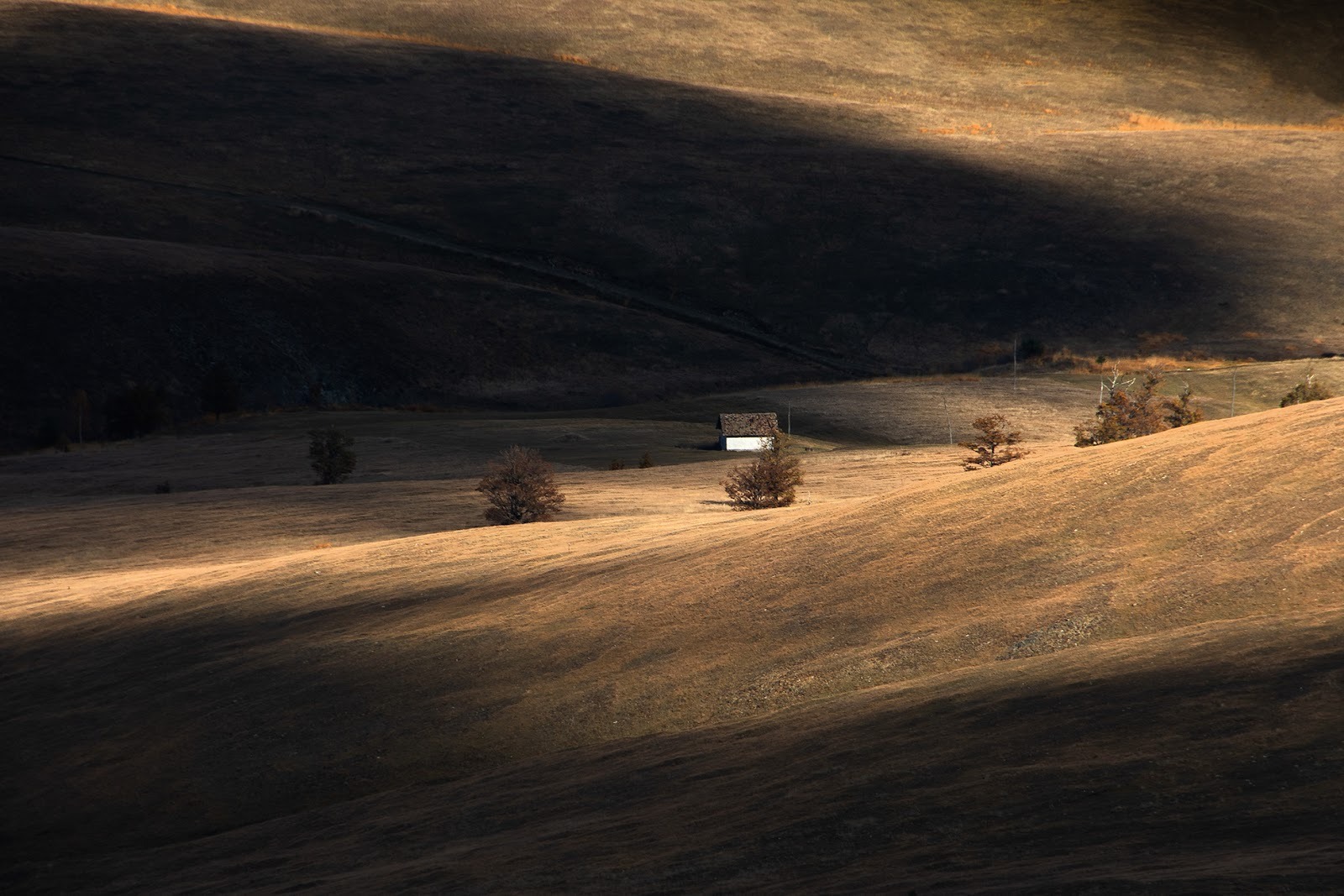

Lloyd Ericson Castro Rodriguez commented: “This photo proves that impressive landscapes are not only defined by bold and explosive colors. Many aspects of this frame, such as the way the earthy tones of the rolling hills complement the dramatic play of light and shadow, and how the lone cabin evokes a sense of nostalgia, paint a different picture of Serbia in my mind, replacing the snowy impression I’ve always associated with the region”.
Inessa Yurovskikh: “A very cozy and peaceful landscape. The photograph conveys a sense of solitude and oneness with nature. The brown tones suggest completion, but there’s no sense of sadness, melancholy, or despondency. The light pouring onto the ground perfectly complements this”.
8th place
This image illustrates a cold morning — day break on Bessy Boot above Tarn at Leaves looking to High Raise in the south east, Lake district National Park, England.
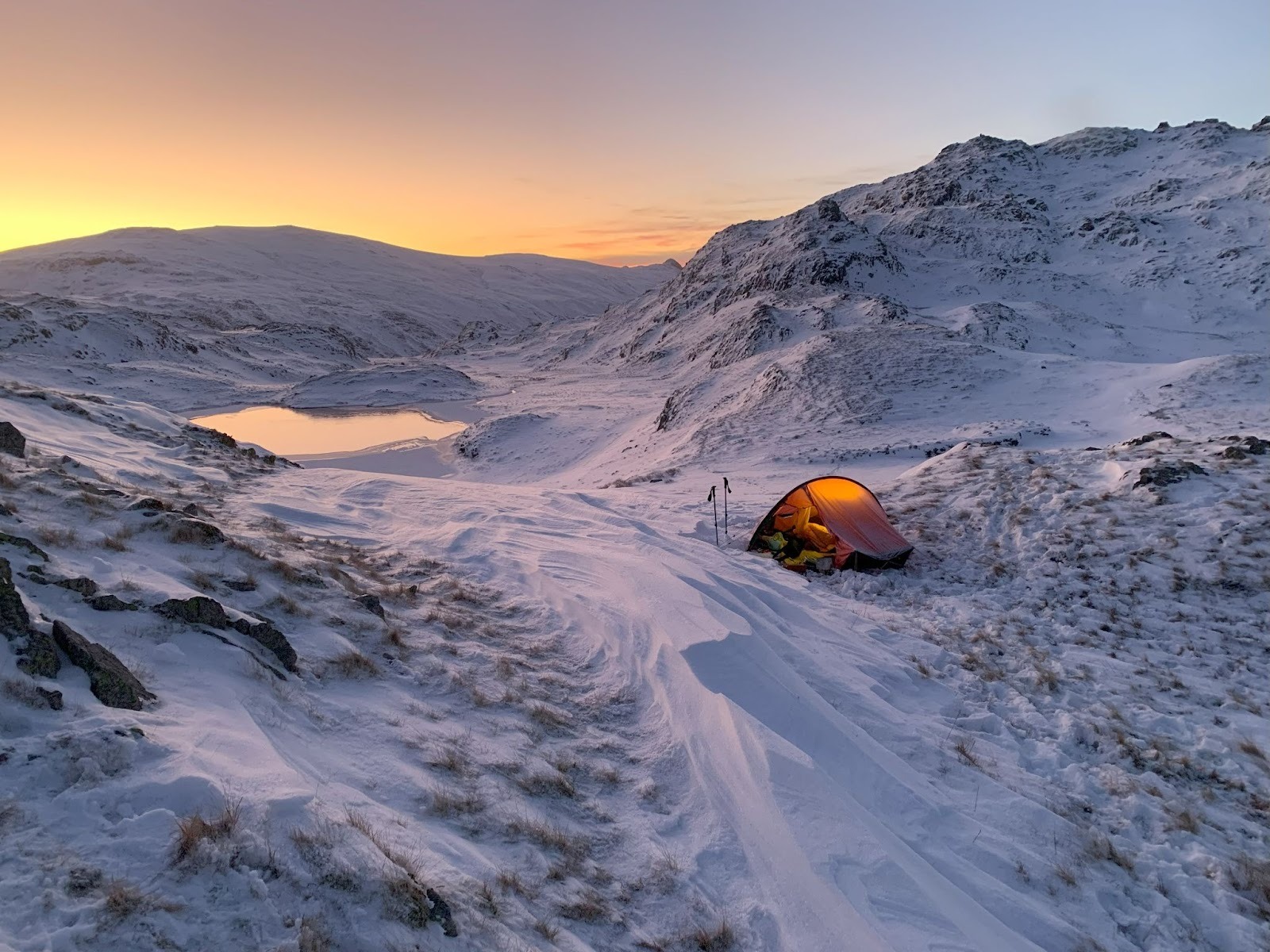

Jhuma Datta draws attention to: “The serene winter landscape is breathtaking. The frozen lake and sunset hues add to the tranquil ambiance”.
9th place
This image depicts Sagres Lighthouse that is located in Southwest Alentejo and Vicentine Coast Natural Park in Portugal.
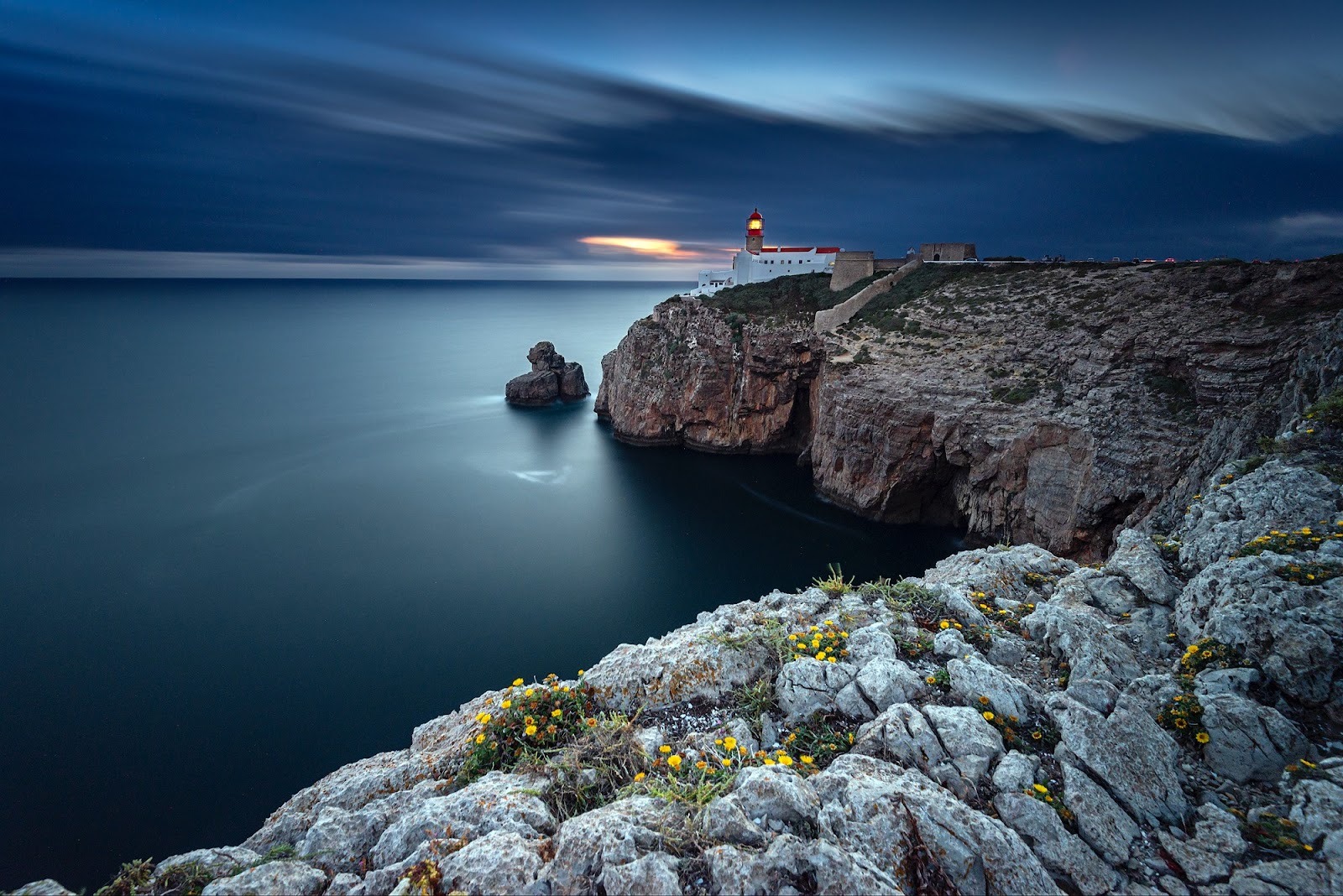

Lloyd Ericson Castro Rodriguez accents: “Another visually powerful photo of a protected area. I love the photographer’s decision in terms of framing and color treatment. Such places are also what I look for to further the goals and purposes of the WLE event”.
Jhuma Datta added: “Beautiful foreground, absolutely gorgeous landscape”.
10th place
And the top of landscape images closes with a photo of Garibaldi Lake at dawn on New Year’s Day, taken in Garibaldi Provincial Park, Canada.
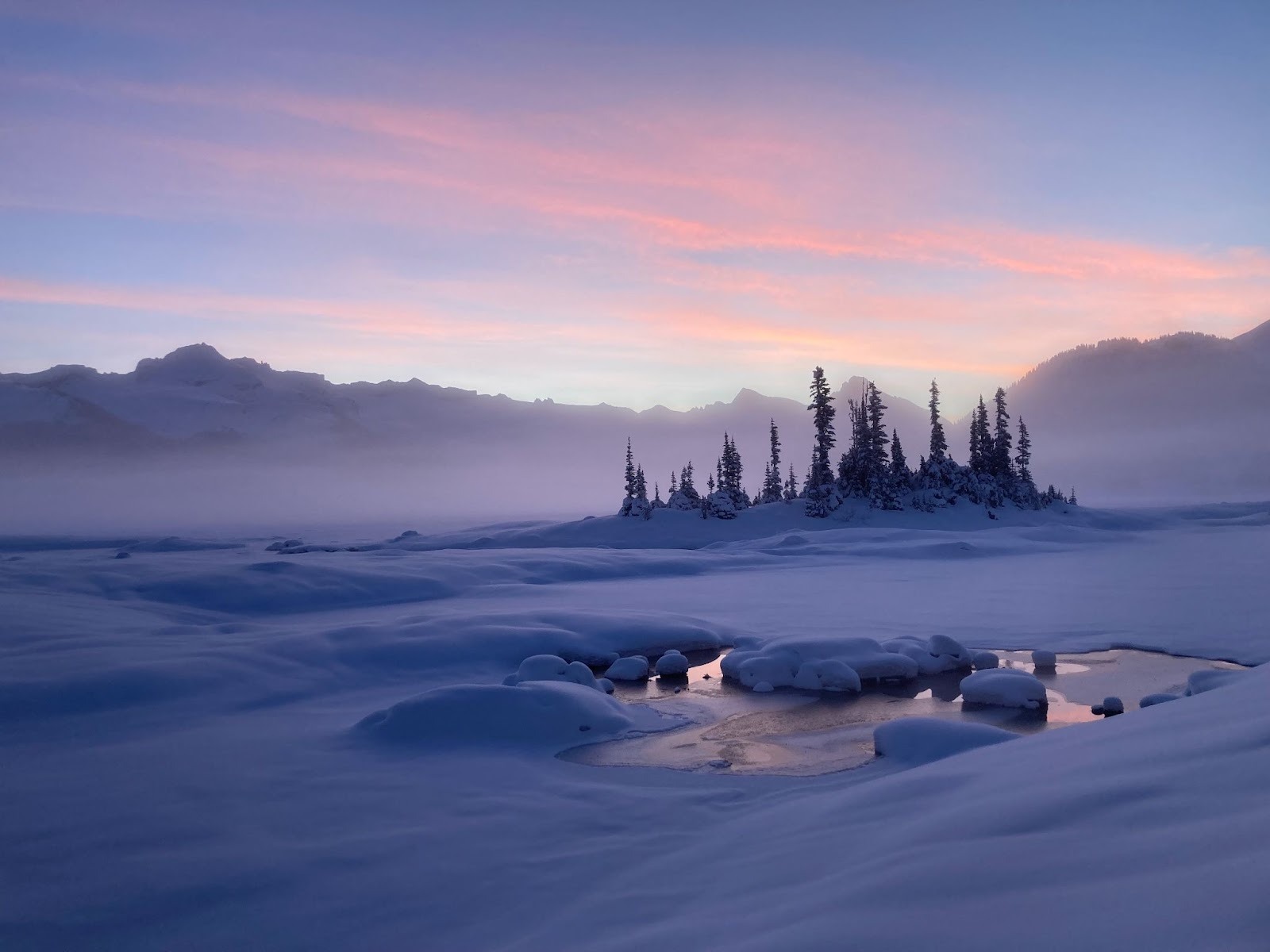

Jhuma Datta highlighted: “The composition is well balanced creating a good layered image”.
Jophel Botero Ybiosa added: “Breathtaking scenery with a sense of serenity! Well done!”.
Congratulations to all the winners for their incredible contributions and dedication to capturing the beauty of our planet, while inspiring greater awareness of natural heritage sites around the world!
See more:
- Winners in the “Video” special category for Wiki Loves Earth 2025.
- Winners in the “Human Rights and Environment” special category for Wiki Loves Earth 2025.
- Past Wiki Loves Earth winners from 2024, 2023, 2022, 2021, 2020, 2019, 2018, 2017, 2016, 2015, 2014.
If you want to know more about this year’s winners and the detailed methodology of the international evaluation process, look for the full jury report, which will be published and available on Wikimedia Commons soon.
Follow our channels to keep up with updates: