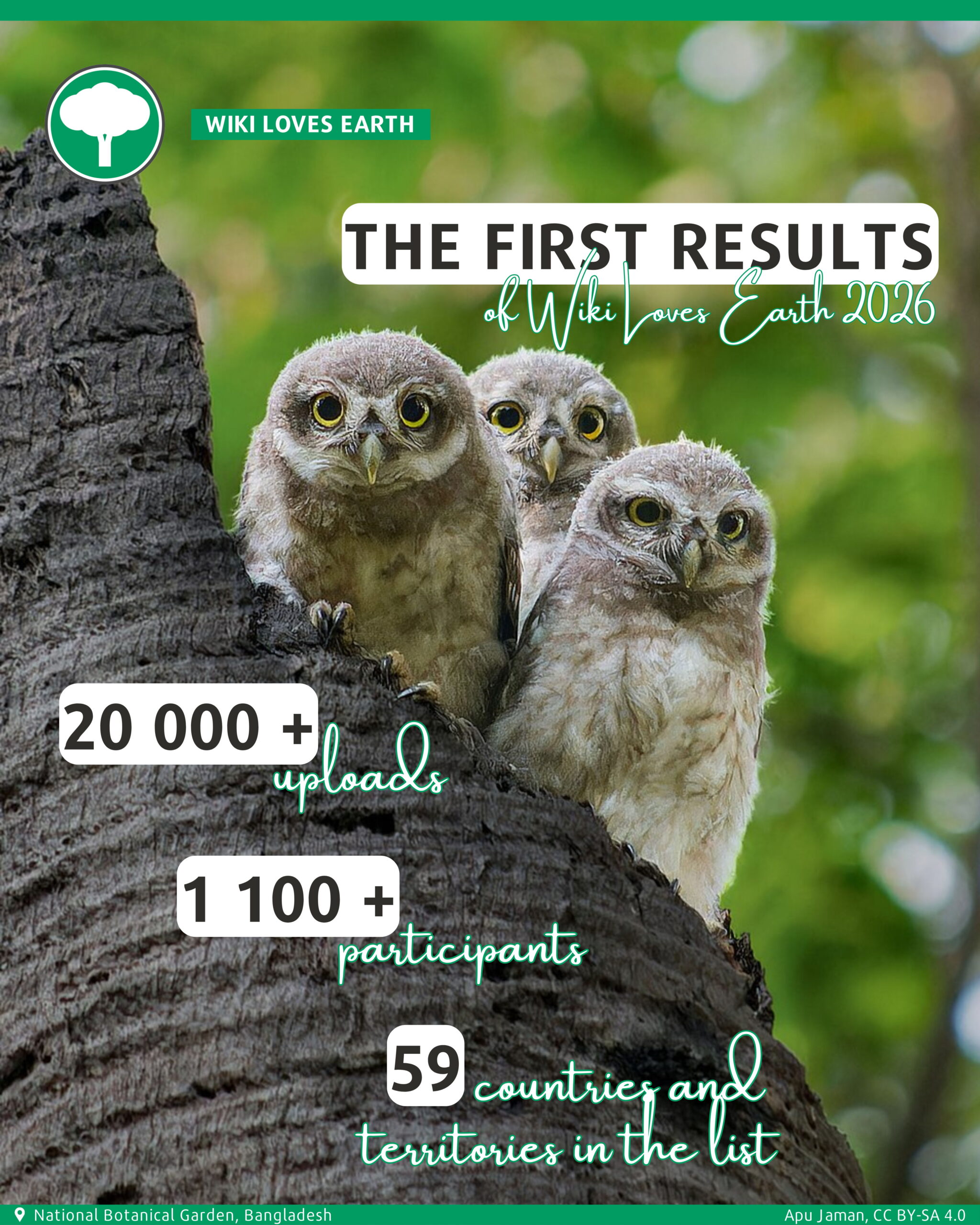
As of now, 42 countries have joined the competition, and 59 in general have proposed their participation for this year. All of them are bringing together a global community dedicated to documenting our planet’s natural heritage.
So far, 1 100+ participants have contributed a valuable 20 200+ photographs of protected areas, national parks, nature reserves, and other valuable natural sites.
Every image helps tell the story of Earth’s biodiversity and makes knowledge about these places freely accessible to everyone.
There’s still plenty of time to take part! Whether you’re a photographer, volunteer, or organizer, you can help showcase the beauty and importance of nature through Wiki Loves Earth.
The final reports from Wiki Loves Earth 2025 are now available, featuring a full overview of our activities, a thoughtful analysis of the competition, the key outcomes, and a detailed overview of the judging process.
You can find the reports on our Wikimedia Commons pages:
And we want to close this year with the Wiki Loves Earth 2025 Award Ceremony and results recap.
On 19th December, we were delighted to come together online with the winners, organizers, jurors, and nature enthusiasts from around the world to celebrate this year’s contributions. During the ceremony, we honored the international winners and highlighted the incredible photographs that capture the beauty and diversity of protected natural areas across the globe. As well, we pointed out the achievements of this year’s contest and shared the numeric results.
The event was a wonderful reminder of the power of the Wiki Loves Earth community: passionate photographers, dedicated organizers, volunteers, and supporters united by a shared idea for nature and free knowledge.
In 2025, the Wiki Loves Earth International photo contest again supported the initiative Wiki4HumanRights in partnership with the Wikimedia Foundation (WMF) and the Office of the High Commissioner for Human Rights (OHCHR). Its goal is to raise awareness of nature protection and human impacts on nature.
Within the special category “Human Rights and Environment”, we accepted images that capture the impact of human activity on the environment. You can read more about the nomination and criteria for image selection here.
We have been organising this category every year since 2021. And since 2023, we have been accepting images from the whole world, not only from the countries taking part in the main contest.
This year, we received over 11,500+ imagesin this category, which then went through an additional initial selection stage from roughly 200 photos that best matched the category theme.
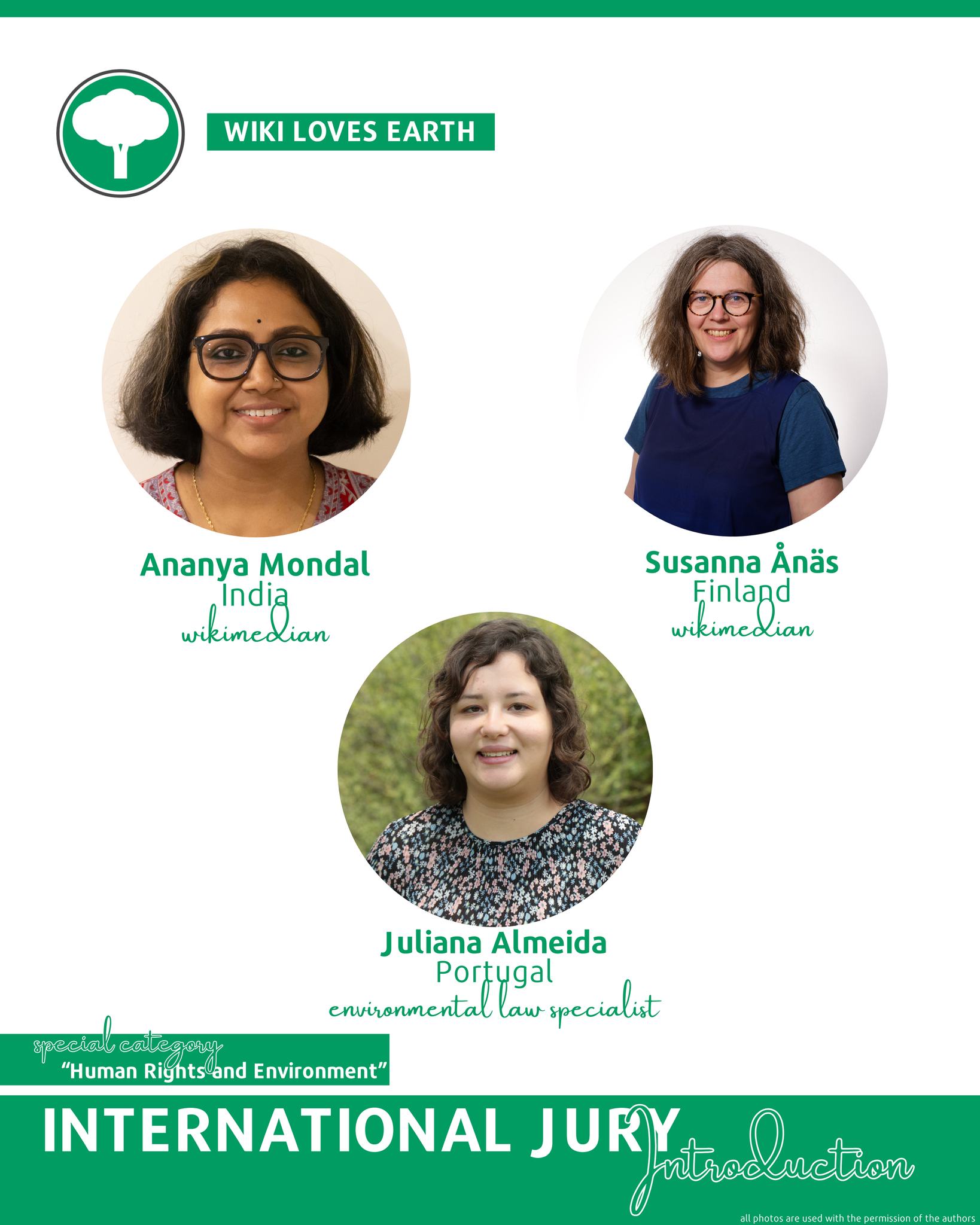
Three jury members — biologists, ecologists, human rights and environmental specialists, as well as experienced Wikimedians — helped us select the strongest images for this special category.
Juliana Almeida (Portugal)— integrates UNEP’s Law Division as an Environmental Law Specialist, working with matters related to human rights, the right to a clean, healthy, and sustainable environment.
Ananya Mondal (India) — hobbyist nature photographer and conservationist, Wikimedian of the Year 2021 (Rich Media Award).
Susanna Ånäs (Finland) — Wikimedian, documentarist, artist, photographer, runs the AvoinGLAM group in Helsinki.
After the organizing team’s review and the jury’s evaluation, we have the best series of images, which reveal the deep and often fragile connection between people, nature, and wildlife — from livelihoods dependent on healthy ecosystems to landscapes scarred by pollution, and animals suffering from human-made waste.
“The human footprint”
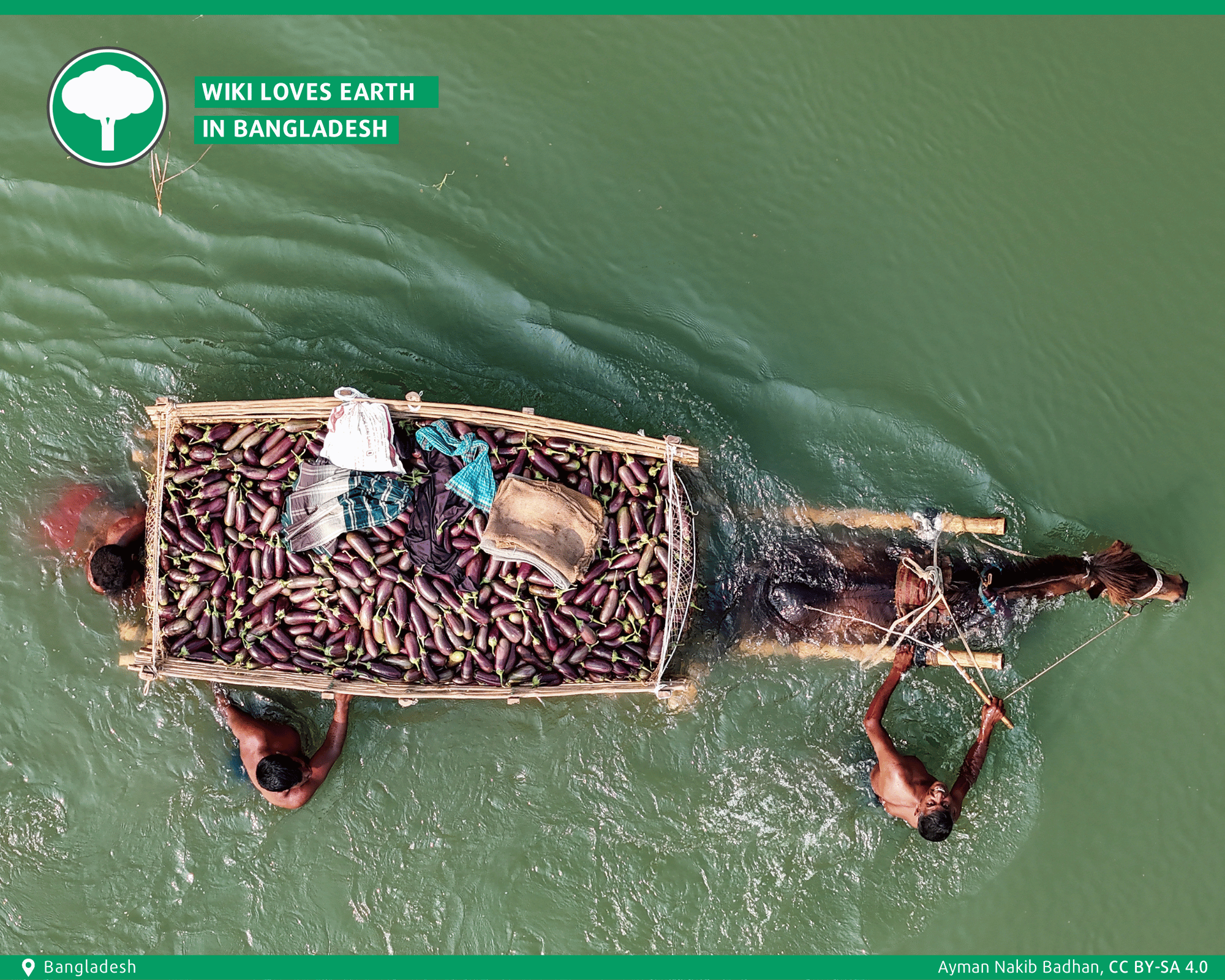
In this striking image from Bangladesh, a group of men ferries baskets of brinjals (eggplants) across a swollen river, perched atop a wooden horse cart. The horse, half-submerged with only its head and neck above water, presses forward against the current. The scene captures both the hardship and the unwavering resolve of rural life — where daily commerce continues even when nature challenges every step. A powerful testament to human and animal endurance amid climate stress and inadequate infrastructure.
One of the jurors, Juliana Almeida, commented: “The angle and colour contrasts are quite impressive. It’s interesting how the photo shows the indivisibility between humans and nature”.
Another juror, Susanna Ånäs pointed out:“This beautiful image portrays the hardship faced by a horse cart and its drivers as they cross a flooded ford with a cargo of eggplants. It highlights the fragile dependence on stable conditions when infrastructure is lacking”.
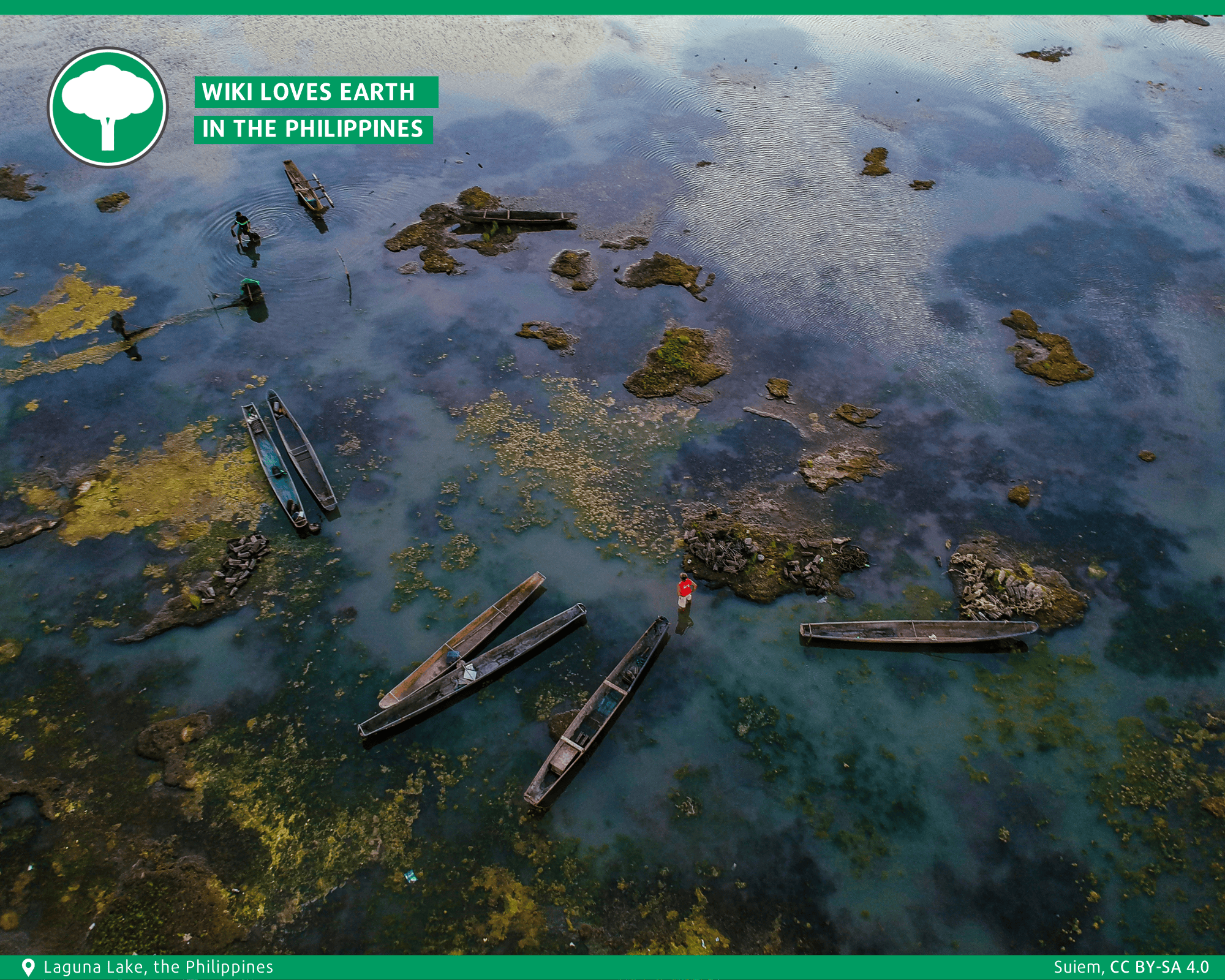
As dawn breaks over Laguna Lake in the Philippines, two fisherfolk prepare their boats with quiet determination. Their routine reflects more than daily labour — it reveals a deep dependence on a healthy freshwater ecosystem. Sustainable fishing here is not only a tradition, but a matter of environmental justice: when lakes are polluted or overexploited, entire communities lose their livelihoods, food security, and the right to a safe environment. This image highlights the close link between human rights and the protection of natural waters that sustain life.
The juror Susanna Ånäs highlighted: “The fishing boats and the coastal habitat create a fascinating composition of colours and textures. Are the boats parked, or are the fishermen waiting for the catch? With so many activities going on across the canvas, one would like to have a more detailed look”.
Juliana Almeida added:“Very beautiful shot showcasing how much the ocean is a source of livelihoods for many and deserves to be protected for its benefits and for the value it has itself”.
And Ananya Mondal commented:“Beautifully balanced composition with harmonious colours, well-placed shadows, and subtle highlights”.
Local fisherfolk rely on the Cansaga River system in Consolacion, Philippines, as a vital source of food and daily survival. Their presence along the river highlights how healthy waterways are essential to community well-being and food security — and how environmental degradation or pollution directly threatens the rights and livelihoods of people who depend on these natural resources.
Juliana Almeida commented:“The movement and the lighting were captured perfectly”.
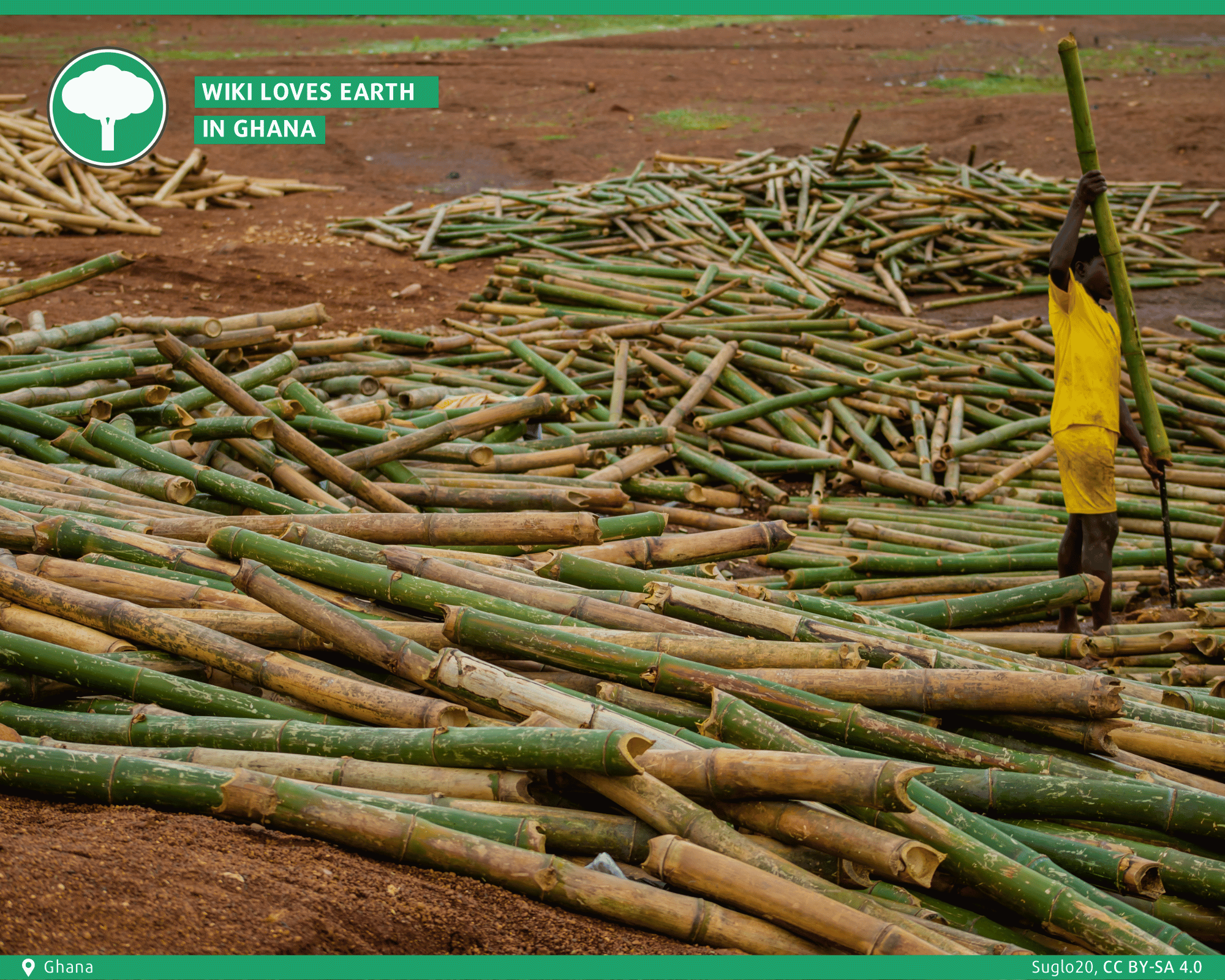
Workers in Ghana handle freshly cut bamboo, preparing it for use in construction, crafts, or fuel. While bamboo is a renewable resource, large-scale harvesting without sustainable management can degrade ecosystems, reduce biodiversity, and threaten the balance of local environments that communities rely on for their livelihoods and well-being. This image illustrates the delicate relationship between human activity and natural resource use.
The next photo from Egypt illustrates the families living in makeshift shelters constructed from salvaged materials, highlighting the vulnerability of people whose livelihoods and homes are directly affected by environmental stress and scarcity. Limited access to safe land, clean water, and sustainable resources underscores how environmental degradation and climate pressures can threaten fundamental human rights and the well-being of entire communities.
Susanna Ånäs commented:“The image is a solemn reminder of displaced people living and maintaining their dignity in temporary shelters”.
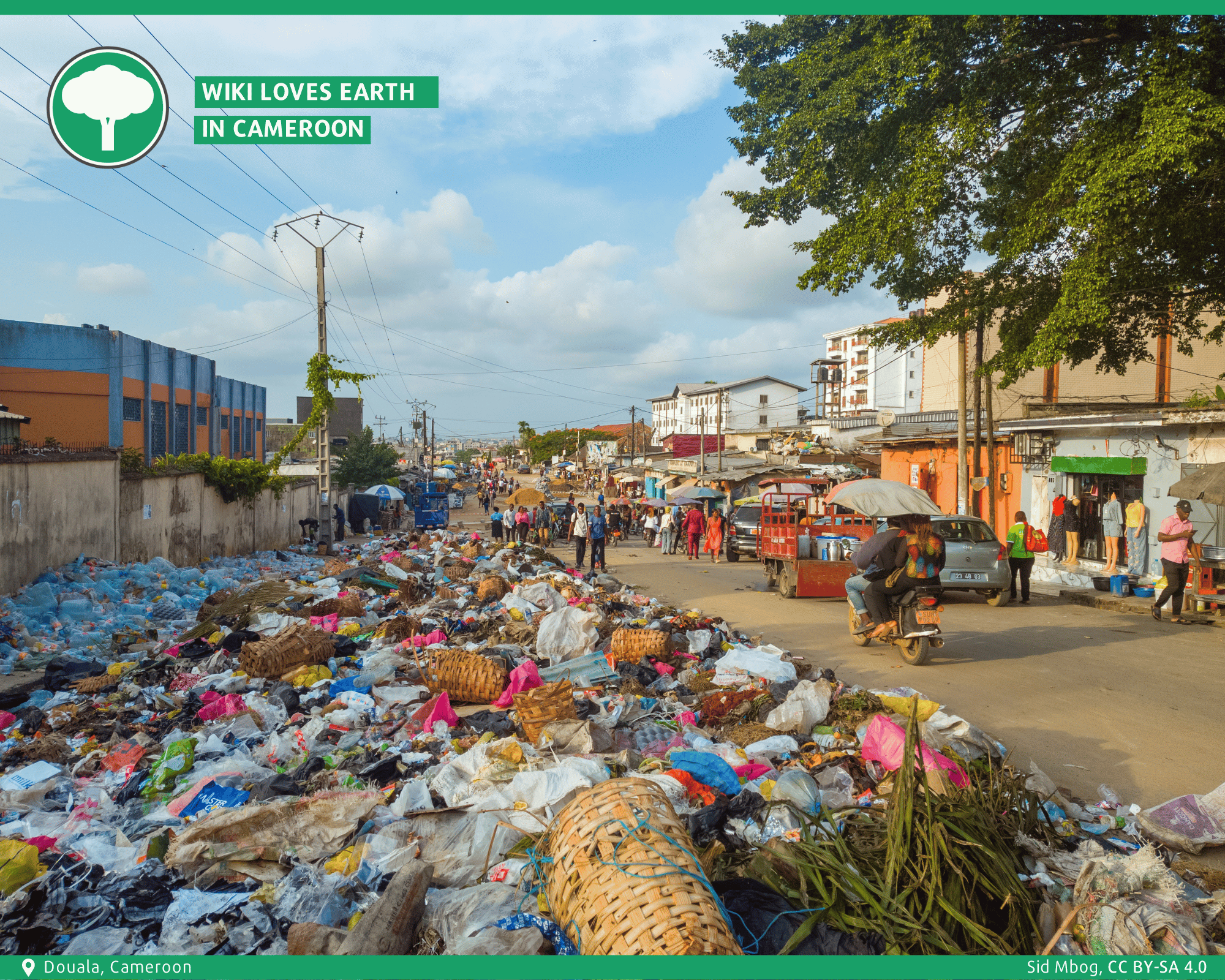
Photographed on a street in Douala, Cameroon, this scene illustrates a recurring environmental issue affecting many urban areas: the large-scale dumping of household waste directly onto public roads. Such accumulations disrupt traffic, expose residents to health risks, and pollute nearby soils and waterways. This image highlights the urgent need for more effective urban waste management, as well as greater awareness among both citizens and authorities of the ecological and social impacts of these practices.
“Caught in our waste”
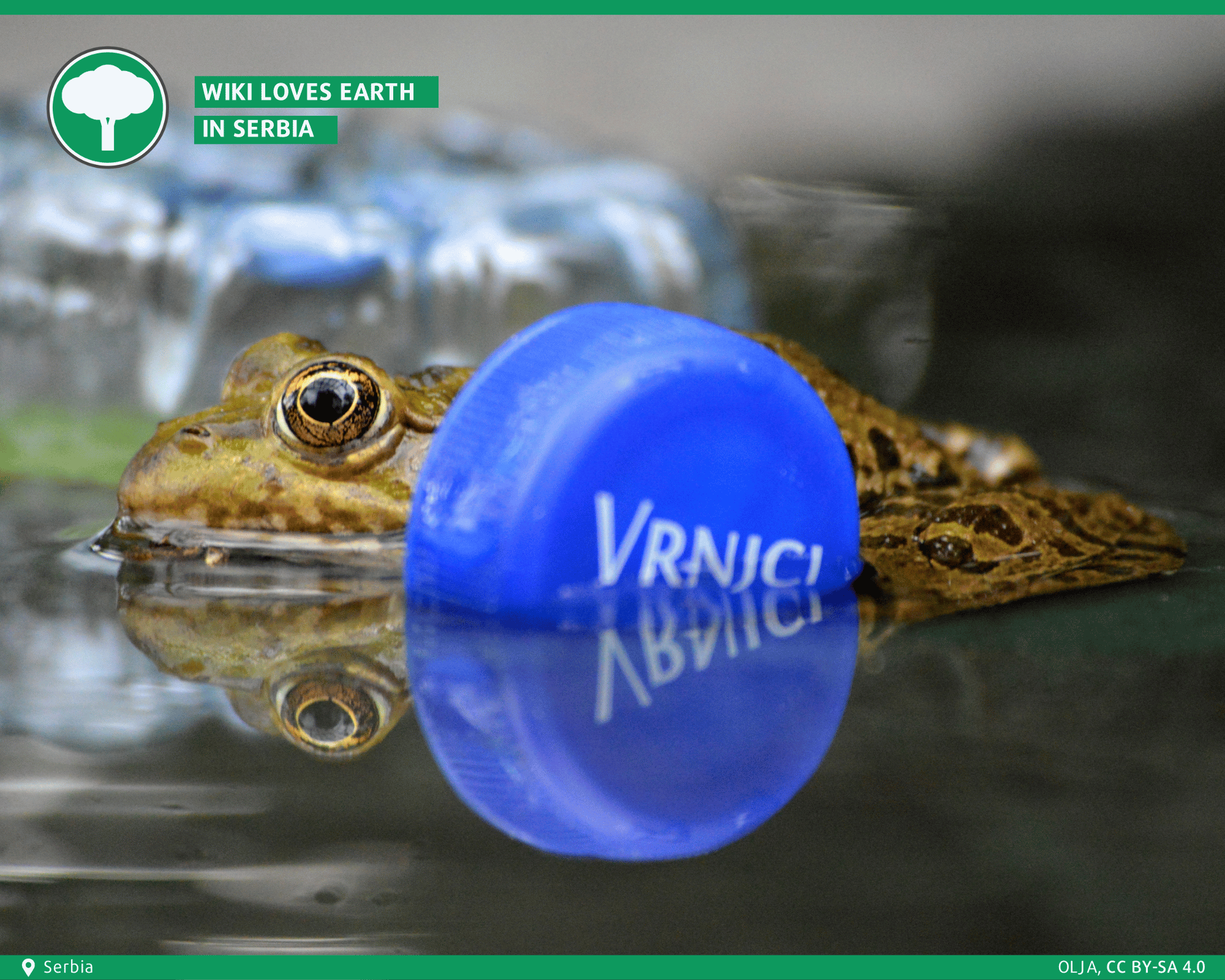
A frog swims beside a floating plastic bottle cap, a stark reminder of how everyday waste infiltrates natural habitats and threatens wildlife. The image from Serbia highlights the silent impact of plastic pollution on fragile freshwater ecosystems.
Juliana Almeida pointed out:“This photo was shot at the exact right moment. Very impressive how the pervasiveness of plastic pollution is affecting fauna all over the world, which in turn affects ecosystems and their natural cycles”.
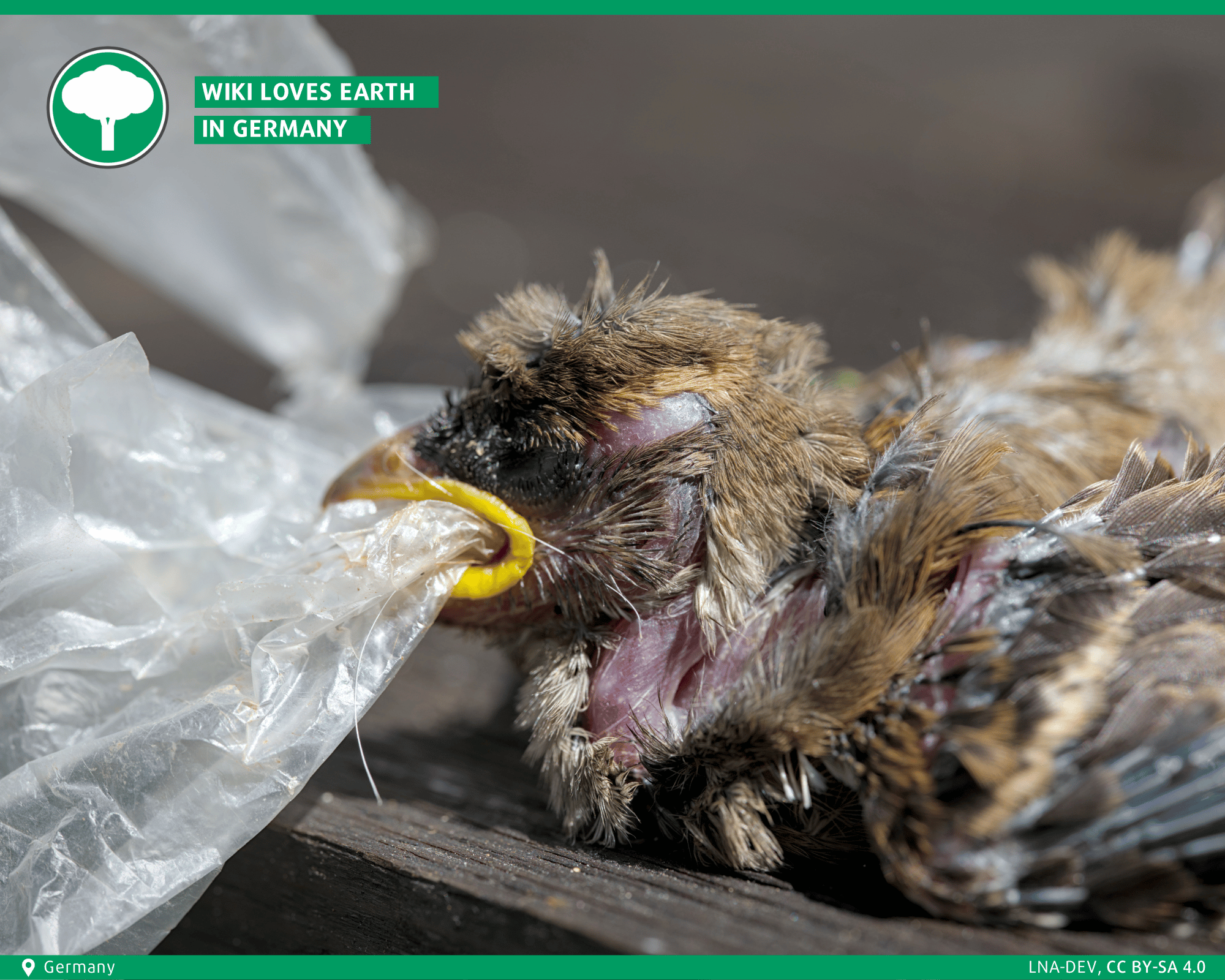
A bird chick lies lifeless after attempting to swallow plastic waste. This image from Germany starkly exposes the deadly consequences of pollution, showing how discarded plastic turns everyday environments into lethal traps for wildlife.
Ananya Mondal highlighted:“A deeply saddening image of a bird that attempted to swallow a piece of plastic — an alarming reminder of how plastic pollution harms biodiversity”.
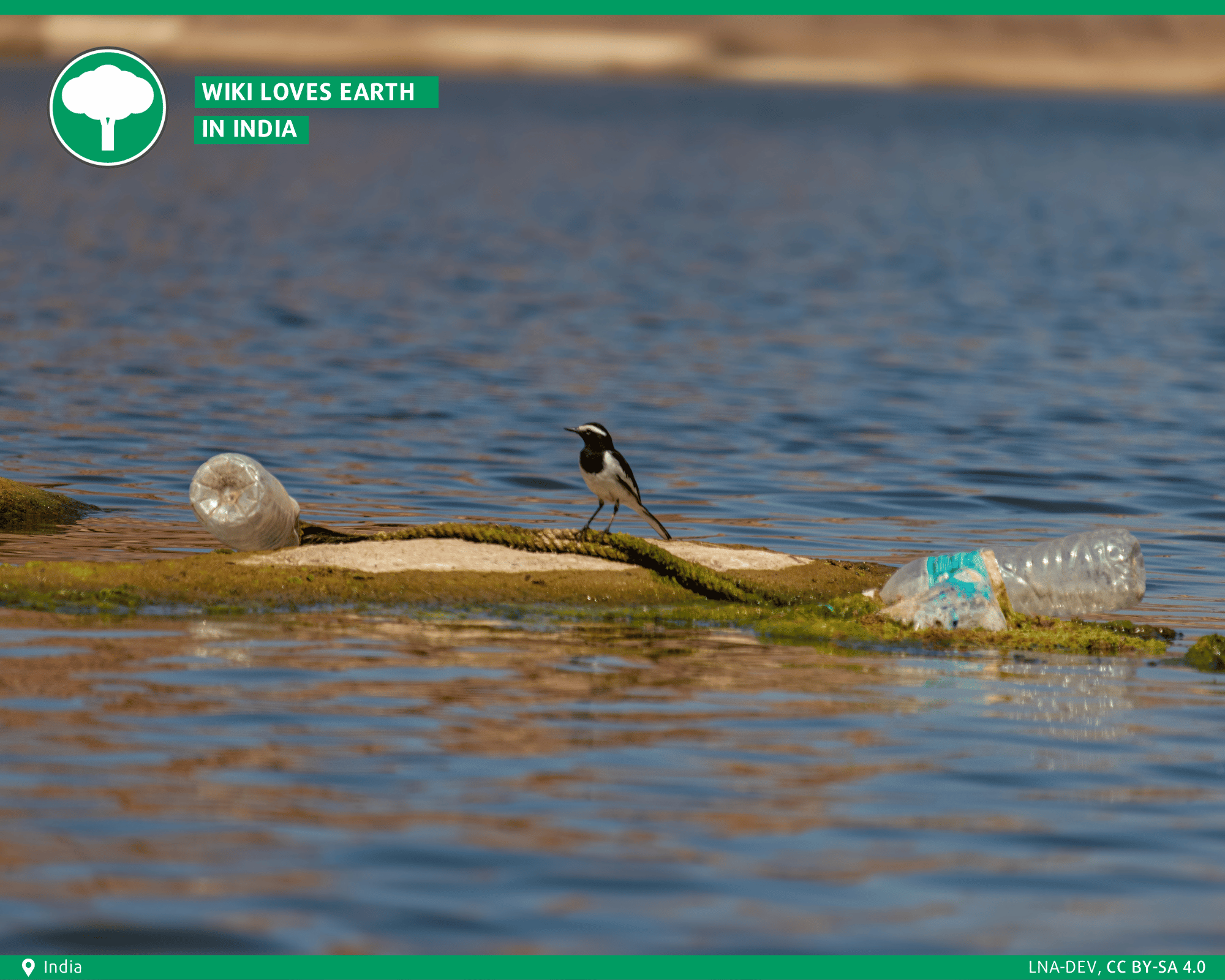
A lone bird stands amid floating plastic bottles on the water’s surface — a bitter contrast to celebrations of nature captured in India. The image reminds us that for wildlife living with pollution every day, there is little to celebrate on World Environment Day.
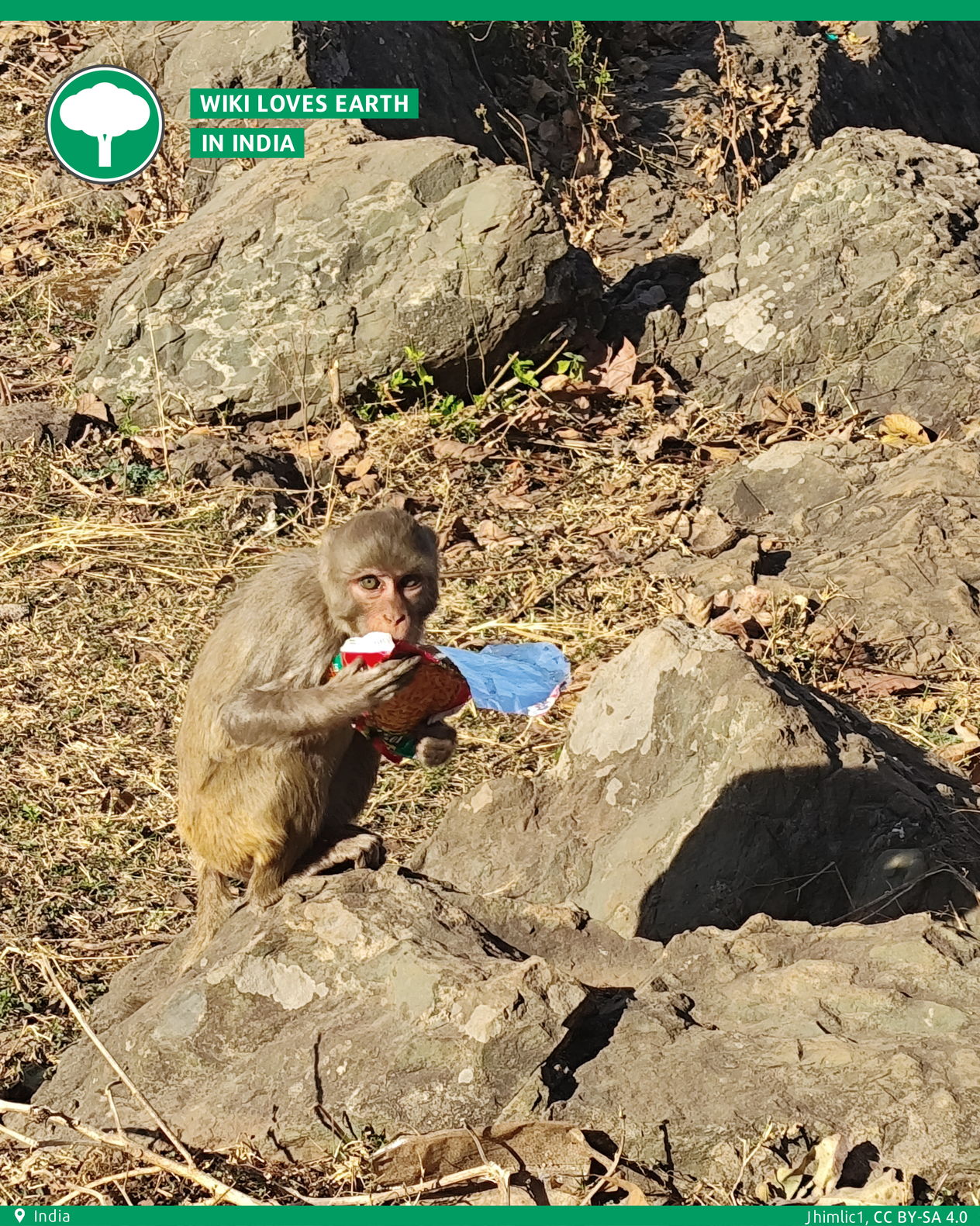
This image from India captures the fragile balance between wildlife and human encroachment. With forests shrinking, monkeys often forage in human waste, reflecting the broader issue of habitat degradation and the urgent need for coexistence with nature.
“Nature under pressure”
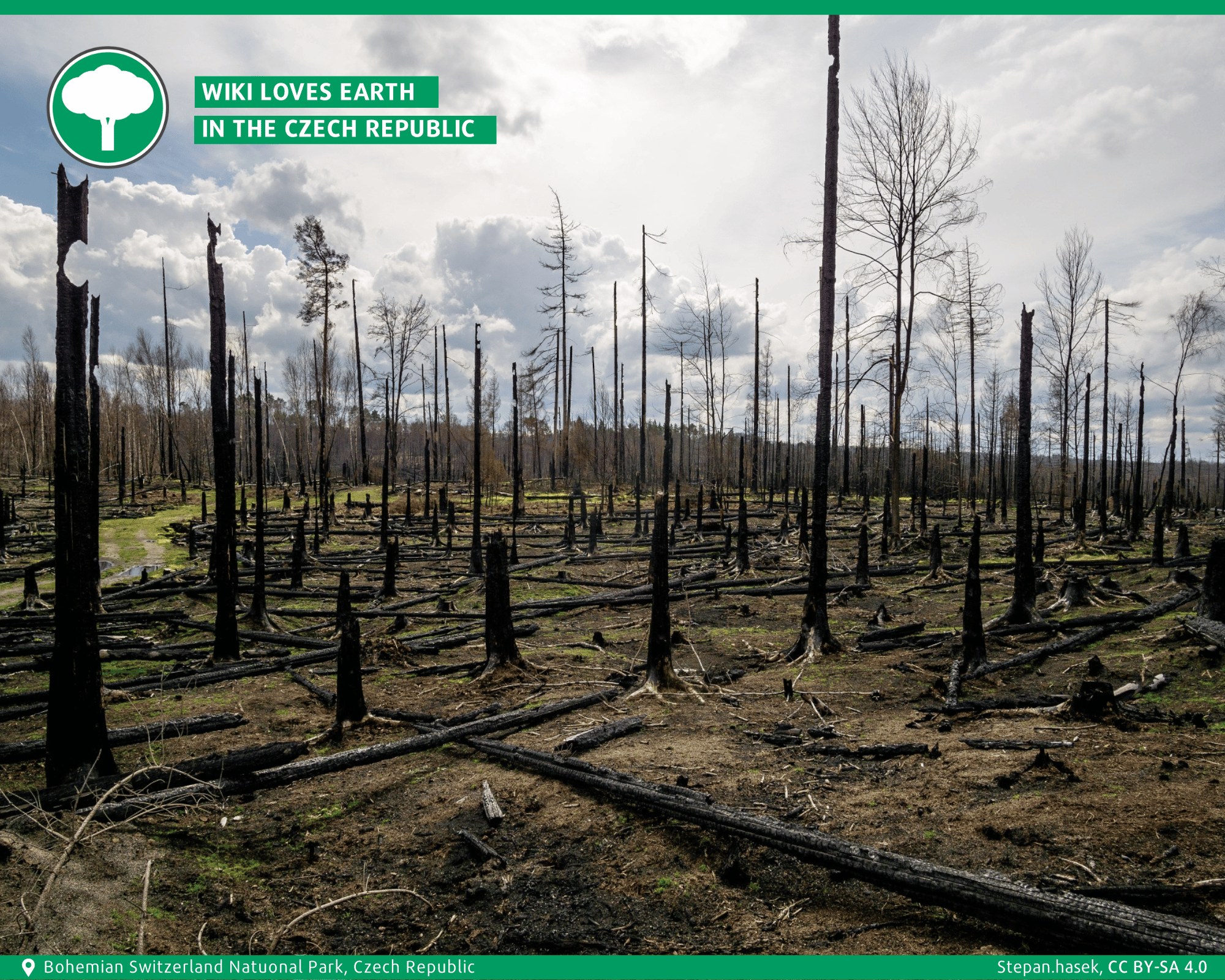
This striking image of a burnt forest in Bohemian Switzerland National Park, Czech Republic, captures the devastating impact of environmental destruction. The blackened, charred trees stand as a silent reminder of the ongoing battle between human activity and nature’s resilience.
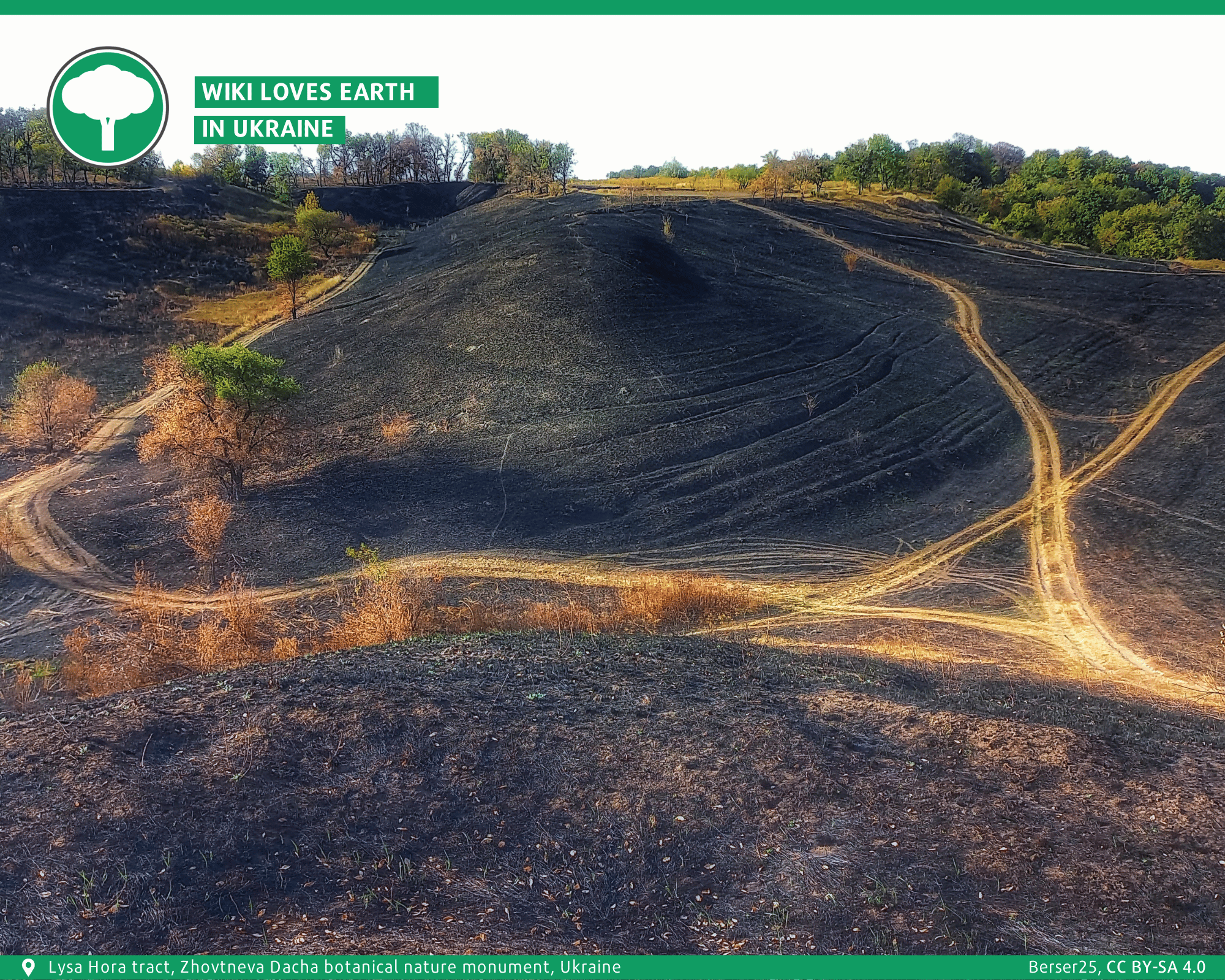
This image shows the aftermath of a wildfire in the Lysa Hora tract, located in the Zhovtneva Dacha botanical nature monument in Ukraine. The photo illustrates the widespread devastation of the landscape, with the blackened earth and scorched vegetation marking the damage. The burn scars are a stark reminder of the delicate balance between nature and the increasing threats posed by environmental crises.
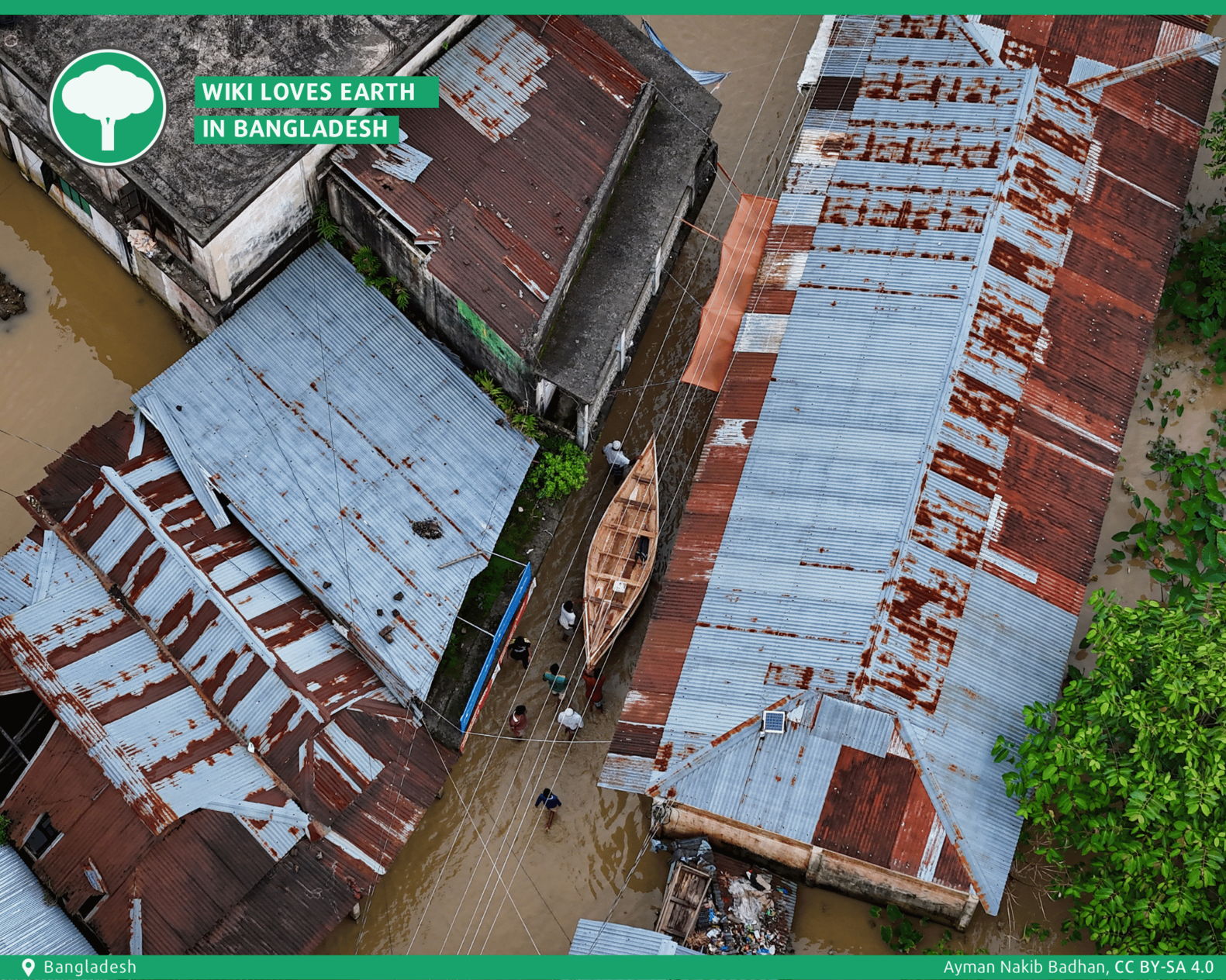
This image from Bangladesh shows men carrying a boat across a flooded road, where water has replaced the asphalt. The scene reflects the surreal reversal of everyday life, as survival becomes the primary focus over routine. The photograph captures both the vulnerability of communities affected by extreme weather and the resilience of individuals navigating this new reality.
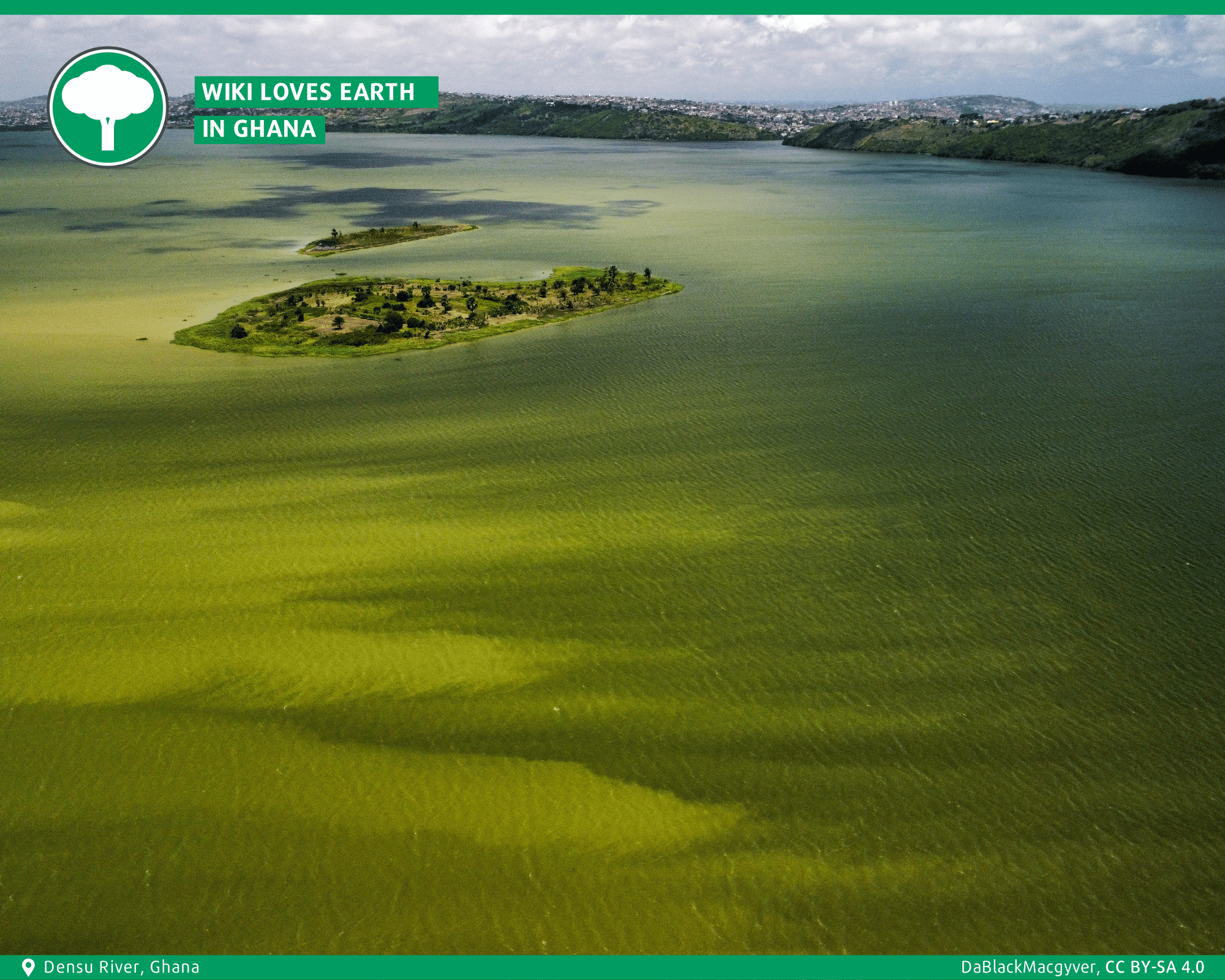
An island on the Densu River, located near the Weija Dam in Ghana, is surrounded by pollution. This powerful image highlights the ongoing environmental challenges and the impact of pollution on natural habitats, underscoring the importance of human rights in the preservation of the environment.
We thank all contributors for using photography to give visibility to these pressing themes and to amplify the connection between human rights and environmental protection.
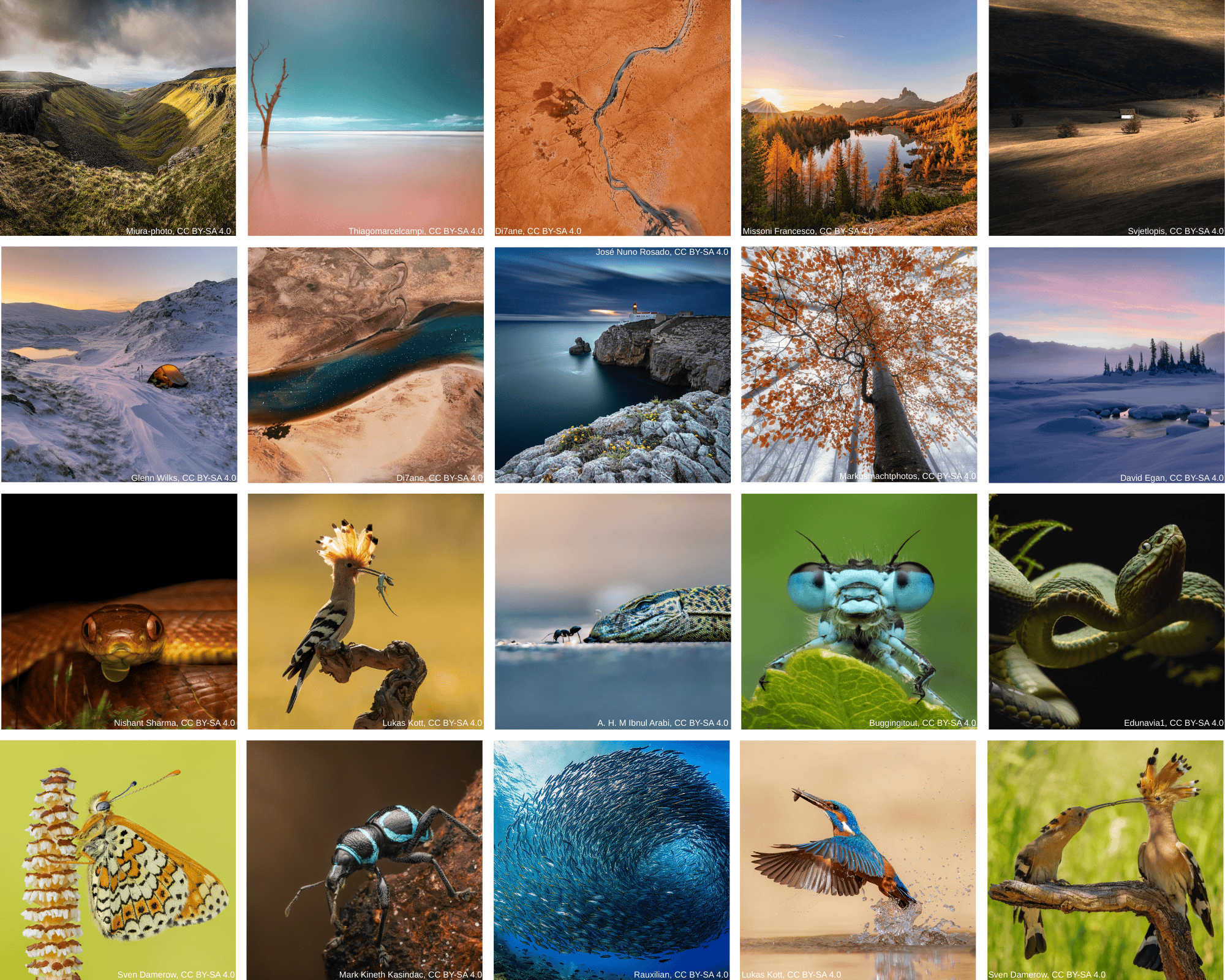
The most awaited moment of the international annual photographic competition devoted to natural heritage has come. We are delighted and proud to present the top 20 bestimages of Wiki Loves Earth 2025, traditionally divided into two categories: macro and landscapes.
This year, we had a record number of participating countries and territories, which reached57.
As a result, we received around 80 000 submissions from more than 5 200 participants worldwide.
This year, we received a record number of submitted local winning images, which reached 618, and were evaluated on the international level.
Traditionally, each country/territory has chosen up to 15 local winners in two categories — not more than 10 from each of the two categories: landscapes(including individual trees if it’s a nature monument), and macro/close-up (animals, plants, fungi).
13 experienced photographers, visual experts, and Wikimedians from all around the world were part of the international jury and devoted their time and efforts to selecting the top 20 international winners.
We sincerely thank each juror for the time and dedication they devoted to reviewing contest images from around the world — especially this year, when we received a record number of local winning images.
Celebrate this year’s winners with us during the WikiLovesEarth2025Award Ceremony on 19th December, at 13:30 UTC on Zoom. Check the time with your local timezone here.
If you want to participate, please register by filling out this short form, and we will send you an invitation link after.
After several rounds of voting and review, we are excited to finally announce the top 20 best images in two categories from 13 countries, showcasing the fascinating world of animal and plant species as well as stunning landscapes.
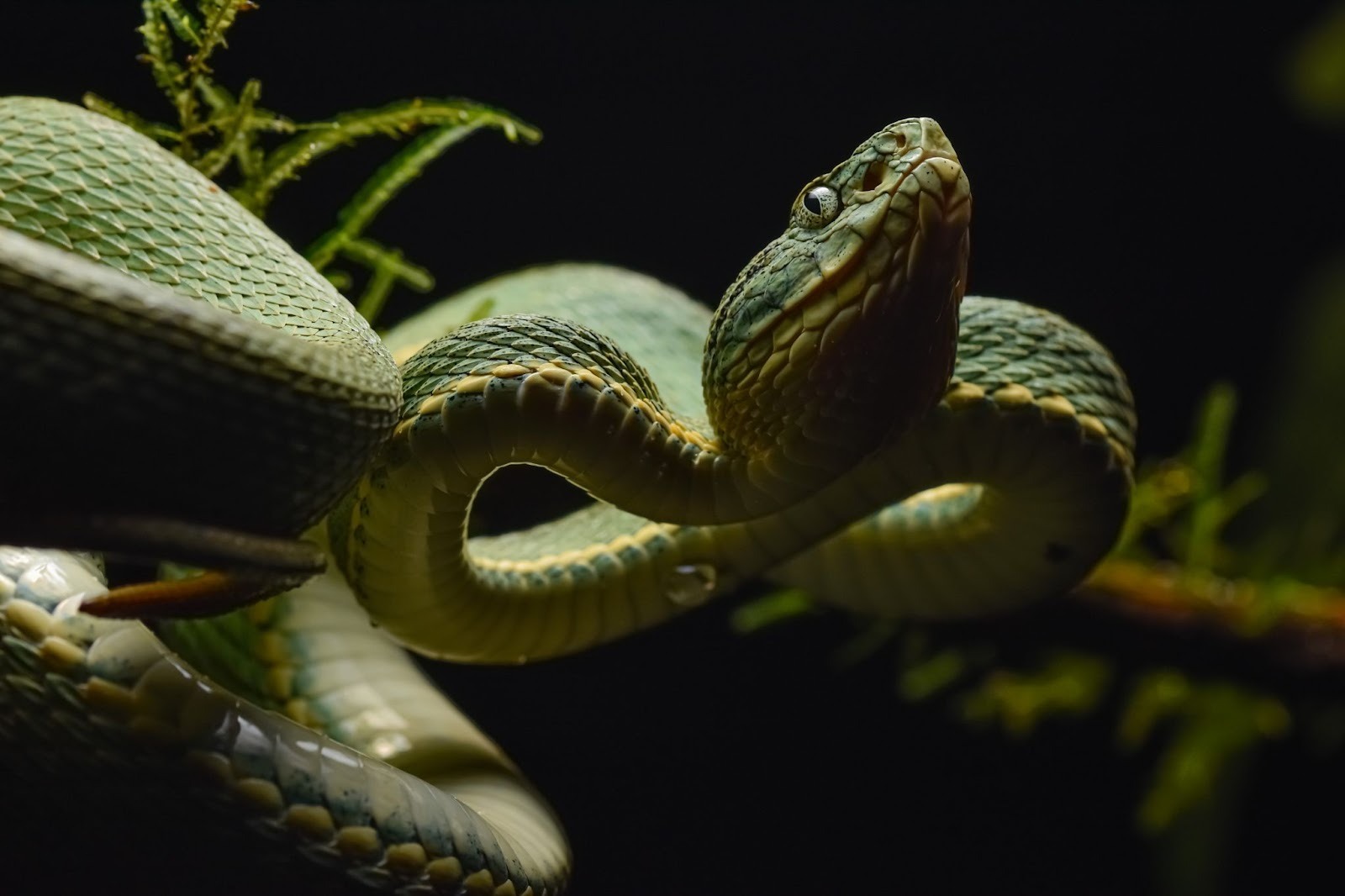
Jury members were impressed by this image the most and shared:
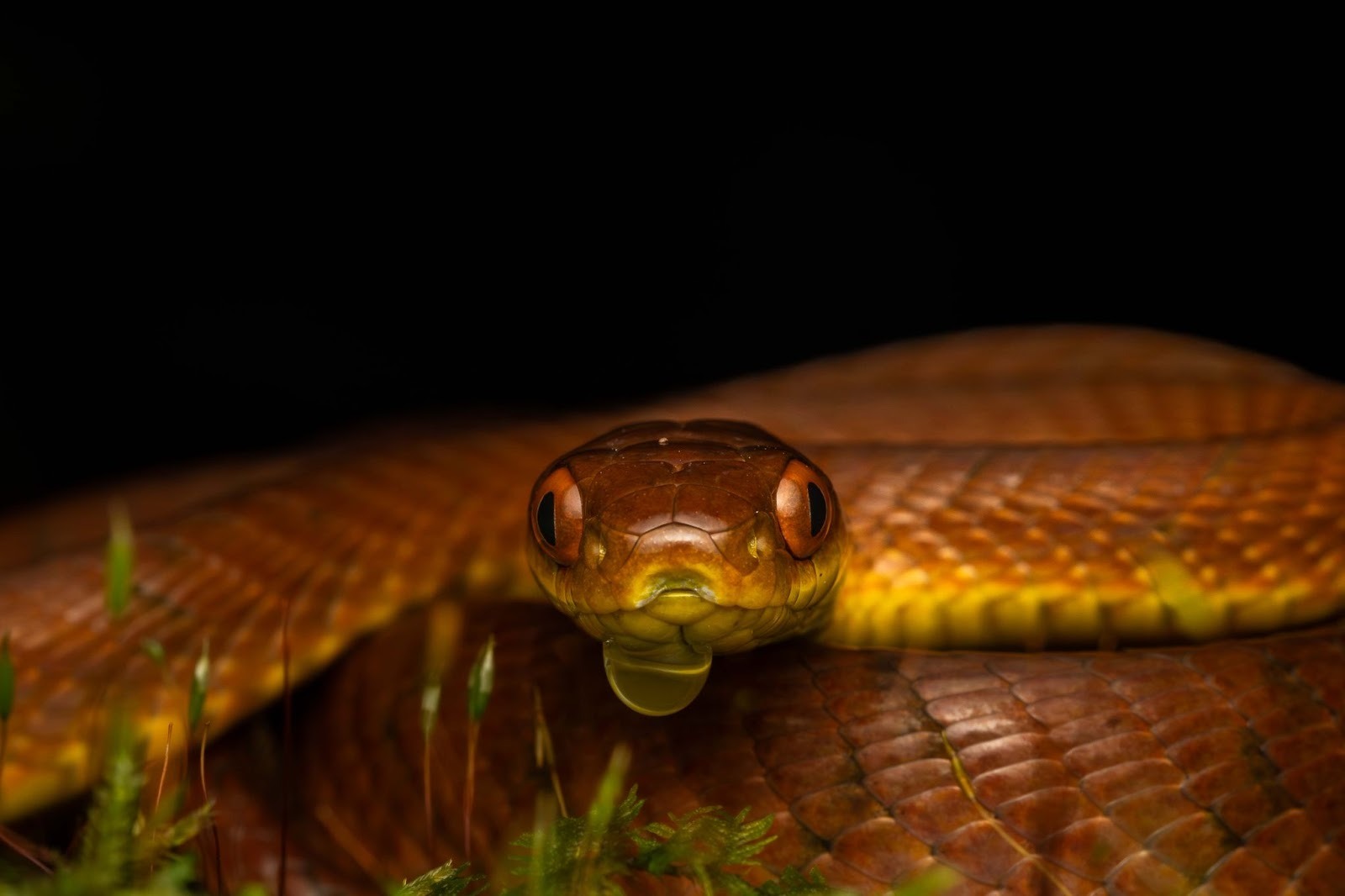
“This photograph captures a strikingly dramatic moment, highlighting the snake’s elegant yet tense posture. The sharp focus on its textured scales contrasts beautifully with the dark, blurred background, emphasizing depth and mystery. The lighting adds an almost cinematic intensity. Altogether, the composition conveys both beauty and latent power, creating a sense of quiet suspense.” — Suzanna Tymochko.
“This shot is one of the best submitted to the competition, in my opinion. The snake’s pose, the curves of its body, its scales, its gaze — an unrivaled capture of the reptile’s beauty in a single frame. It seems as if in another moment the snake will strike its prey. Magnificent!” — Inessa Yurovskikh.
“The image is striking! The green snake with yellow accents is posed dramatically, coiled and looking upwards with its head raised. The lighting highlights the snake’s scales and creates a dynamic contrast against the dark background.” — Jhuma Datta.
“The superb color and lighting treatment, as well as the perspective chosen by the photographer — all of which are on point. The resolution is impressively high-quality, and the details are a chef’s kiss to me!” — Lloyd Ericson Castro Rodriguez.
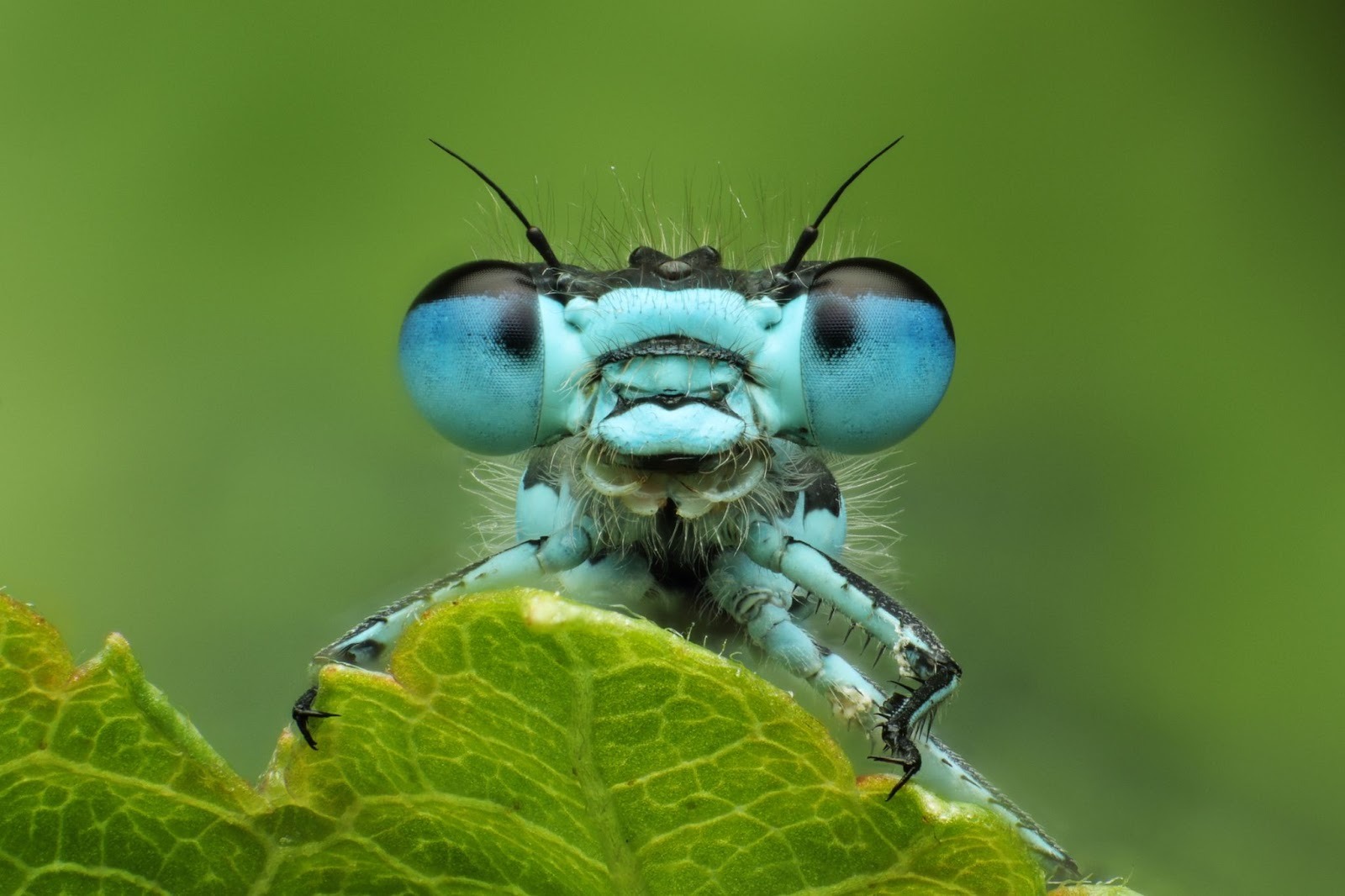
Juror Jophel Botero Ybiosa highlighted: “This stunning close-up shot displays vibrant colors, excellent exposure, and balanced composition”. Lloyd Ericson Castro Rodriguez commented:“One strength of a powerful macro shot is its clarity of detail, and this one more than meets that criterion. The frontal shot, efficiently framed by the photographer, is so on point that it draws viewers into an eye-to-eye, mano a mano interaction with the damselfly. Its high quality and clear depiction make it even more substantial for WLE”.
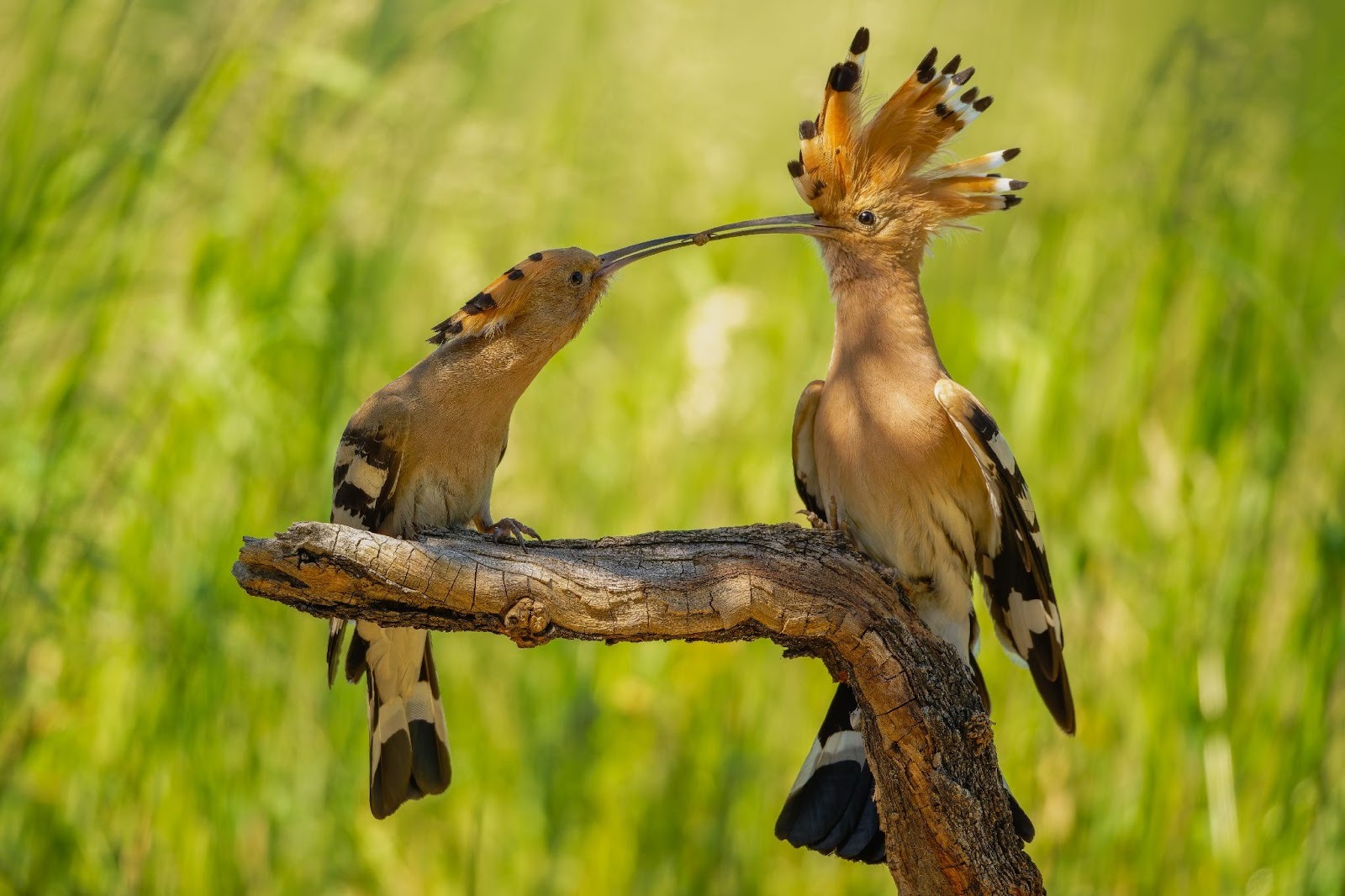
Lloyd Ericson Castro Rodriguezpoints out:“This is a clean shot. The quality is crisp, and the colors are well-balanced across the frame. Moreover, this shot captures the birds in dynamic poses (one appearing more dominant, the other more submissive), telling a different story from the mid-flight shots we saw last season”.
Inessa Yurovskikh added: “Of all the shots of udots submitted to the competition, this one resonates with me the most. Yes, the birds aren’t in flight. But the scene itself, the interaction between the birds, shows how different these birds are. Even the light falling through the foliage on one of the birds beautifully emphasized this”.
Jhuma Datta: “Love is in the air. Thought-provoking image”.
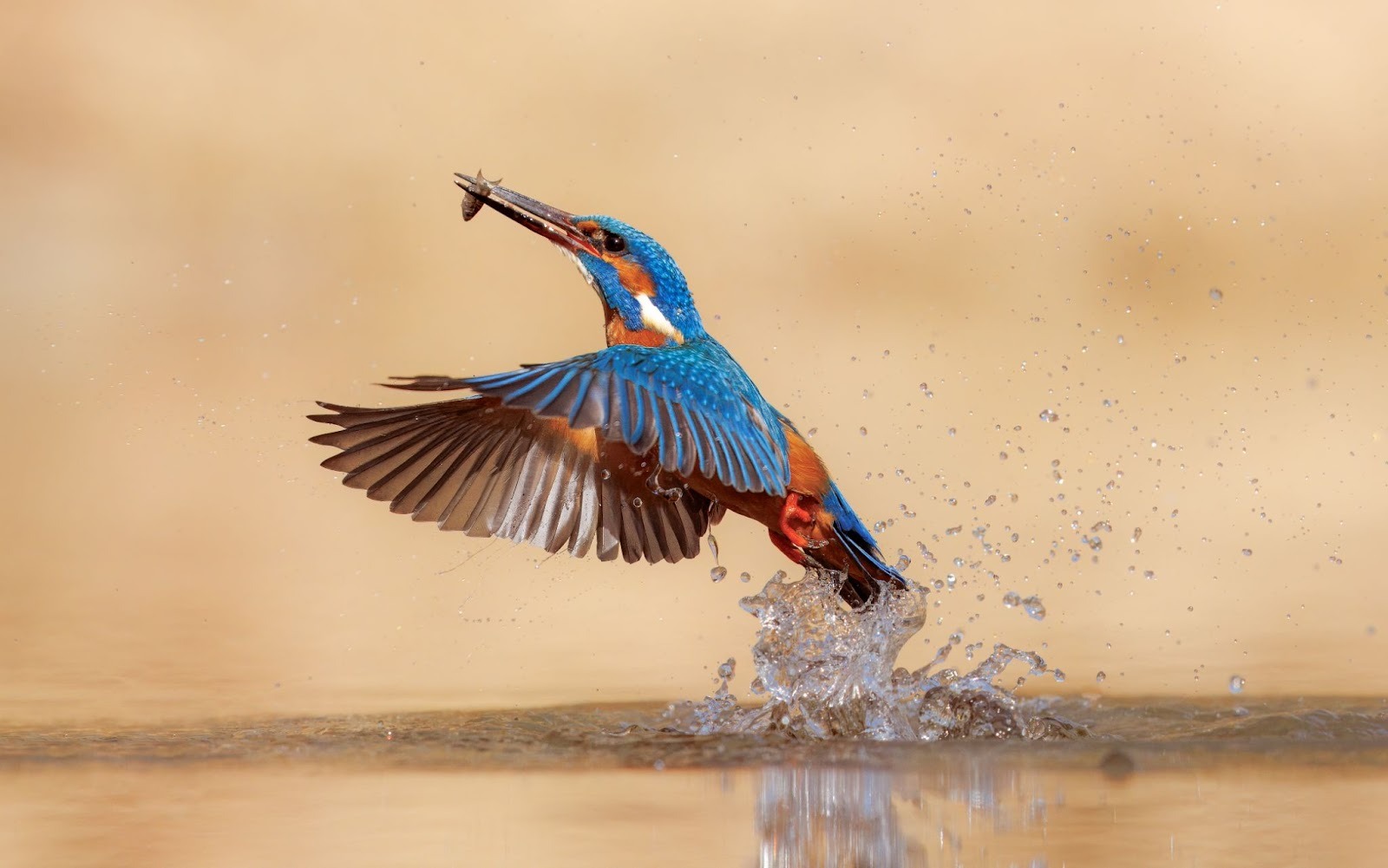
Jhuma Datta shared her thoughts about this image:“Composition and timing bring this fleeting instant to life, making it a compelling image. The splash of water adds dynamic energy, while the blurred background beautifully isolates the bird’s striking features”.
Inessa Yurovskikh commented: “A magnificent dynamic shot. The hunter is bright and fast, and so is his prey. The splashes of water, the light, the color of the image, the blurred background — everything is perfect and so appropriate”.
Jophel Botero Ybiosa added: “This captivating image is a result of the photographer´s patience and precision. Excellent timing, great composition and vibrant colors! Fantastic job!”.
5th place
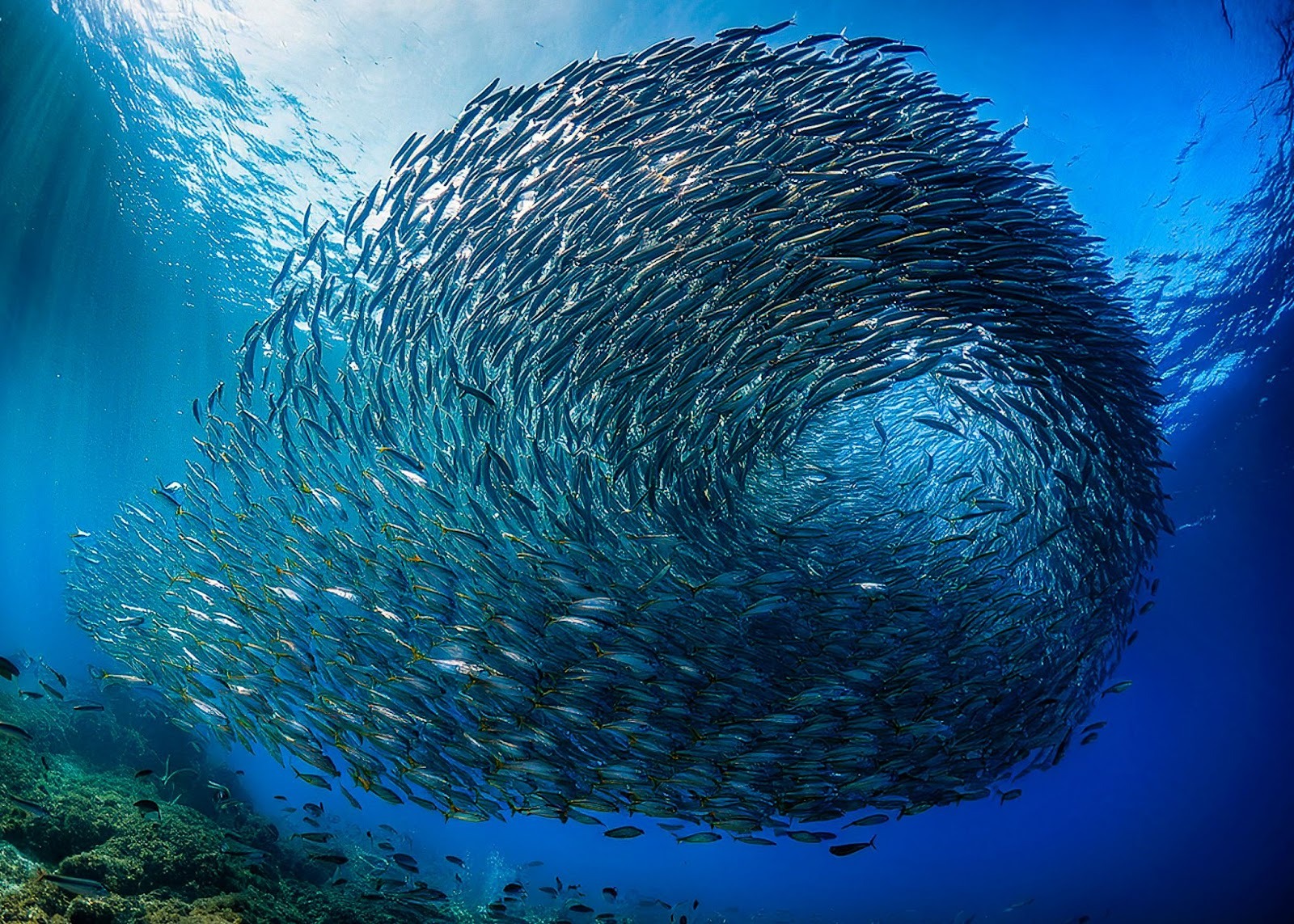
On this image, a swirling ball of countless reef fish named yellowstripe scad (Selaroides leptolepis) forms a mesmerizing bait ball beneath the clear waters of Tawi-Tawi, Sibutu and Tumindao Islands, the Philippines, and was captured amid vibrant coral reefs teeming with marine life.
Lloyd Ericson Castro Rodriguezdescribed: “This is a strong entry. One of WLE’s missions is to unravel the many unseen wonders of our planet, and this one fits the bill. While it’s not the first time I’ve seen such a shot of the underwater environment, it’s still not an everyday scene. Its inclusion here is a breath of fresh air, especially considering the sameness of many other entries. This shot captures the dynamics of the natural world”.
Inessa Yurovskikhadded: “A beautiful swirl of fish in the underwater world. Our planet is so diverse and delightful, but unfortunately, there were very few photographs from the underwater kingdom. Of the remaining shots, this one could be a wonderful addition to the winning images”.
Jhuma Datta: “Breathtaking image. The way the fish moves in unison, creating a swirling vortex, is truly captivating”.
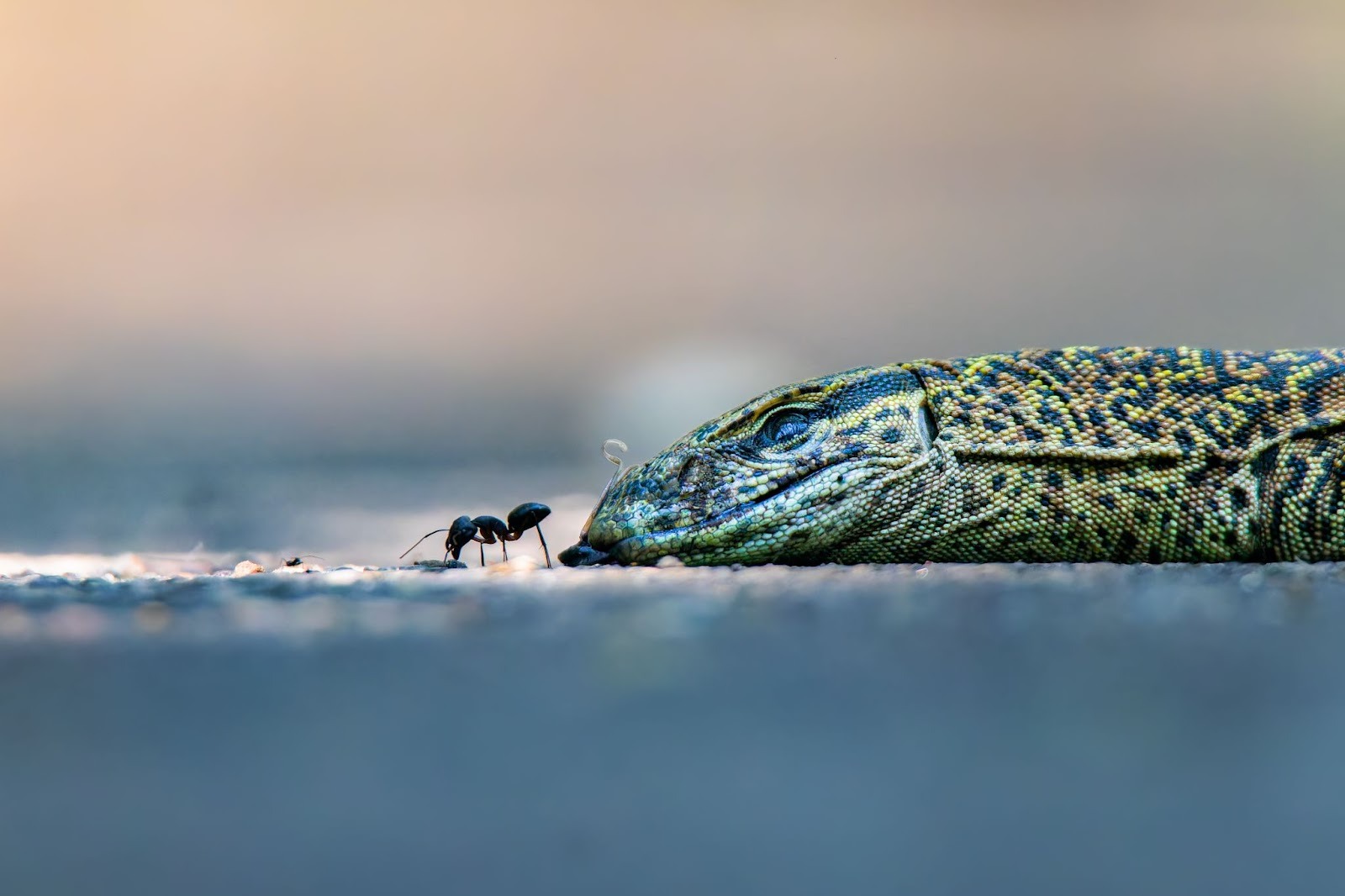
Juror Rakesh Baro shared: “Beautiful lighting and a compelling natural history moment. I love the perspective, the photographer skillfully went down to eye level to achieve excellent subject separation. The image tells a wonderful story”.
Jophel Botero Ybiosa highlighted: “Striking image with the use of contrasting subjects to tell a story!”.
Johan Jönssondraws attention to:“One of those photos which feel like they are made for an encyclopedia, or for a well-illustrated book on the topic”.
Lloyd Ericson Castro Rodriguez: “This work is one of the best examples of how simplicity, when coupled with efficiency and clarity of purpose, can keep pace with, if not outshine, others. Even when you zoom into the frame, the details of the subjects remain crisp and clear, thanks to its high-quality dimensions”.
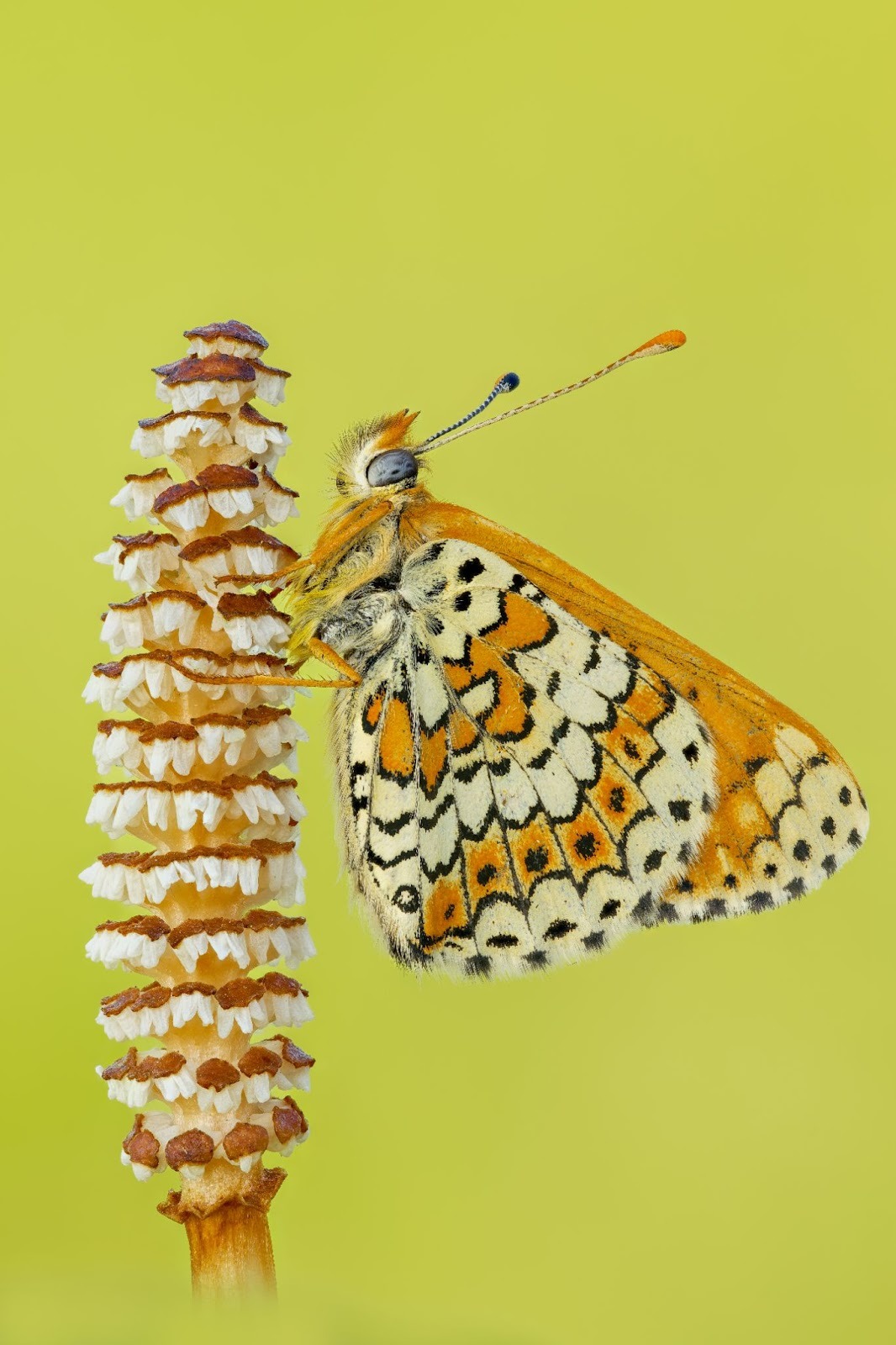
Suzanna Tymochko: “We can see every detail of a butterfly’s wings — the scales, the hairs, even the structure of its eyes. This photo is a great example of macro photography”.
Jophel Botero Ybiosa: “A stunning image with details and vibrant colors. The plain background effectively highlights the subject”.
8th place
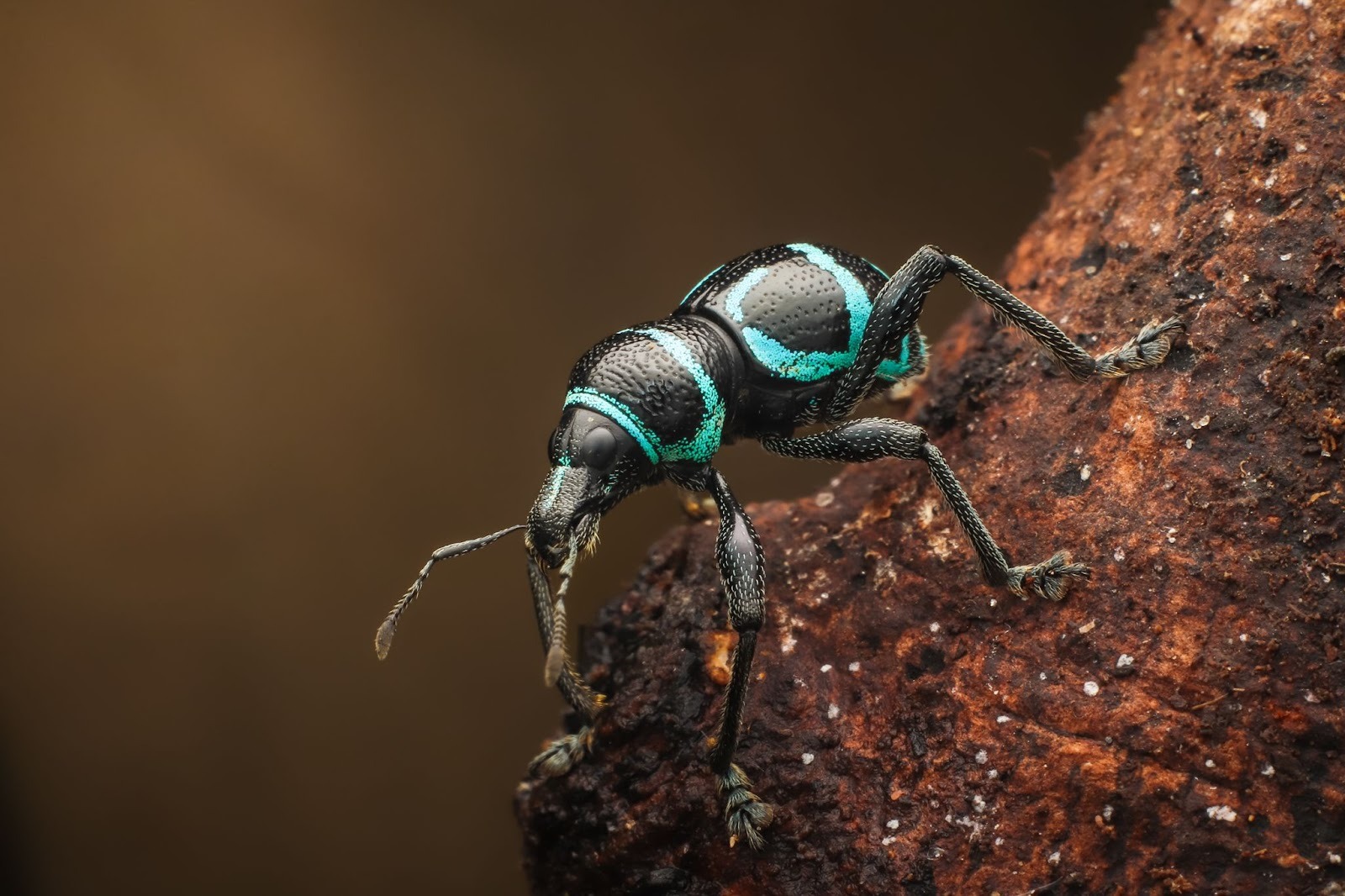
This image shows us an illustration of weevil (Metapocyrtus reyesi) in Northern Negros Natural Park, the Philippines. As the author said, this unique coloration may indicate a potential case of natural variation or localized adaptation, and it adds new insight into the phenotypic diversity within the species.
Inessa Yurovskikh commented: “A stunning shot of a weevil! Everything about this frame is beautiful. This wonderful little creature is perfectly focused, allowing you to examine it in exquisite detail. Every hair on the insect is visible. The muted background and chocolate-colored tree bark perfectly complement the incredible color of the weevil’s back”.
Lloyd Ericson Castro Rodriguez mentioned: “This is one of the very few macro shots of the small world this season that is exceptionally clean in framing (the consideration of negative space works for me) and remarkably clear in detail (no need to zoom further). The color treatment is on point and very contextual, as the photographer effectively contained the elements of the environment presented — particularly the colors of the weevil — in such an aesthetic approach that naturality is preserved. As a STEM teacher, this is one of those works that I could use as an effective instructional material. Another plus factor of this entry is its detailed description, which adds to its high potential for usability by Wiki users”.
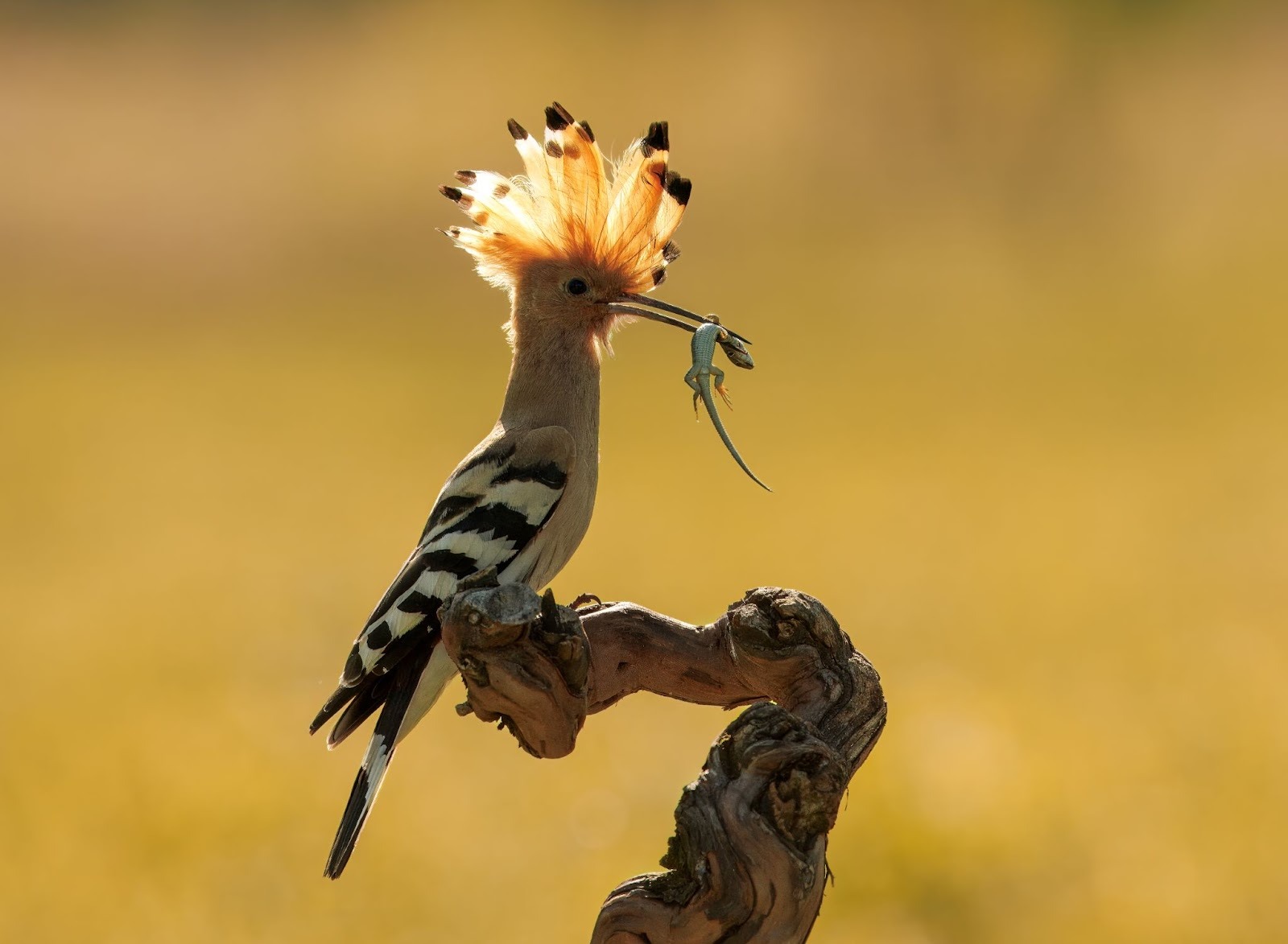
Suzanna Tymochko shares: “A wonderful contrast between the calmness of the pose and the dynamics of the moment”.
Ajeigbe Rukayat added: “The image captures the essence of life, and also the provision of food to the other animal”.
Jhuma Datta: “The composition of this frame effectively conveys an interesting story”.
10th place
The last image in еру macro category illustrates a Tawny Cat Snake (Boiga ochracea) peering through the dusk captured during the calm of evening in the lush greenery in Godawari National Botanical Garden of Nepal. As the author of the photo said, this image celebrates the quiet elegance of Nepal’s often-overlooked reptilian fauna.
Lloyd Ericson Castro Rodriguez commented on this shot: “This portrait frame of a Tawny Cat Snake is beautifully captured. Its warm coppery-brown to orange hues remain intact even after the post-processing contrast adjustments. The water droplet clinging beneath its lower jaw adds an enticing touch of detail to the overall composition. In terms of reusability, the image maintains excellent quality in both dimensions and resolution. And that gaze from the snake… it’s almost a chef’s kiss shot for me”.
Jhuma Datta: The close up shot brings out the details of its coppery-brown scales and those piercing eyes. Good composition, sharp and overall very well done.
Ajeigbe Rukayat: The close-up image of the snake shows the intense gaze and its charisma, the contrast and the lighting complement each other.
Suzanna Tymochko: A good composition creates the effect of presence and a sense of tension.
Lloyd Ericson Castro Rodriguez shared:“This perspective on the subject works well, and I love how the vibrant orange contrasts with the dreamy white tones within the frame”.
Suzanna Tymochko:“This perspective creates an immersive effect. A very atmospheric photo”.
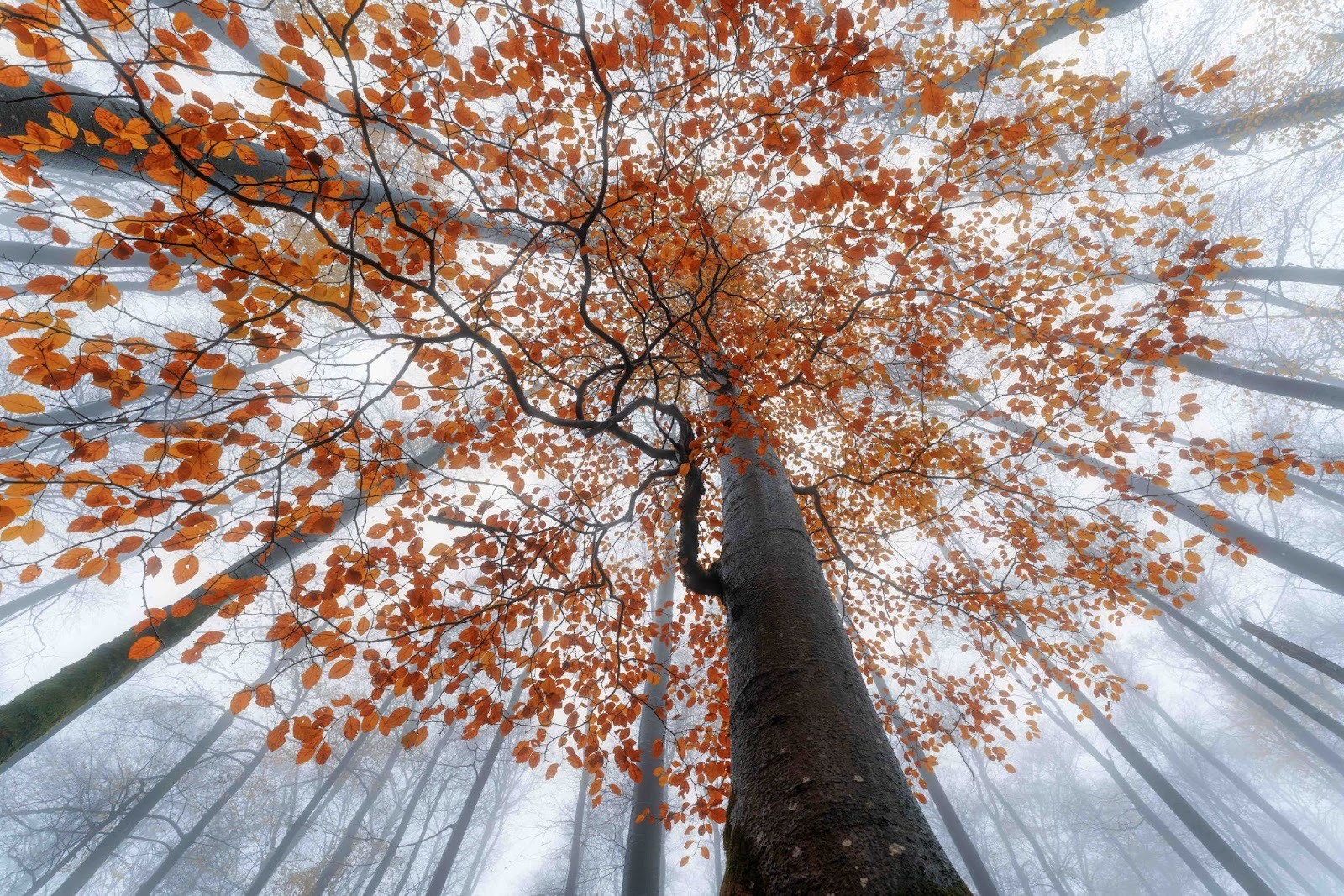
Rakesh Baro: “Beautifully composed. The photographer effectively uses the surrounding trees as leading lines to draw the viewer’s attention to the vibrant canopy of leaves”.
2nd place
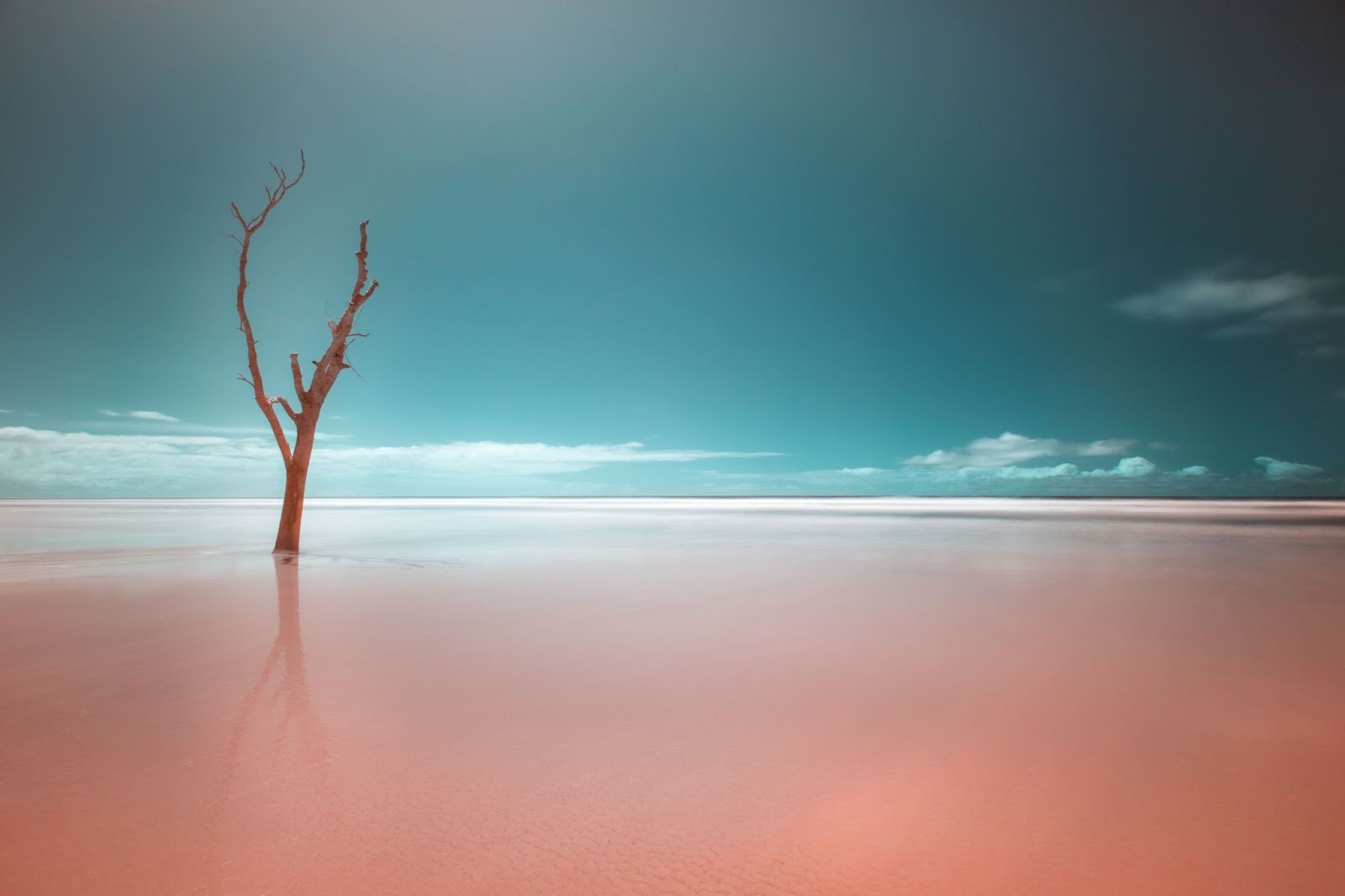
This photograph documents the effects of climate change, shown by the rise in the Atlantic Ocean’s sea level, which increasingly floods areas of Ilha do Cardoso that were previously occupied by mangroves. It is located in the State Park of Ilha do Cardoso, Cananéia, São Paulo, Brazil.
Jhuma Datta highlighted: “High resolution and dimensions of this lone tree is high in usability . The image evokes a sense of environmental starkness. Such landscapes often highlight the impacts of climate change and about fragile ecosystems and the needs for sustainability”.
Lloyd Ericson Castro Rodriguez added: “This is such an interestingly beautiful entry with an alarming backstory. The context that this frame carries is highly valuable, especially in raising awareness about the lasting effects of climate change and how this global concern could drastically transform many of the planet’s landscapes”.
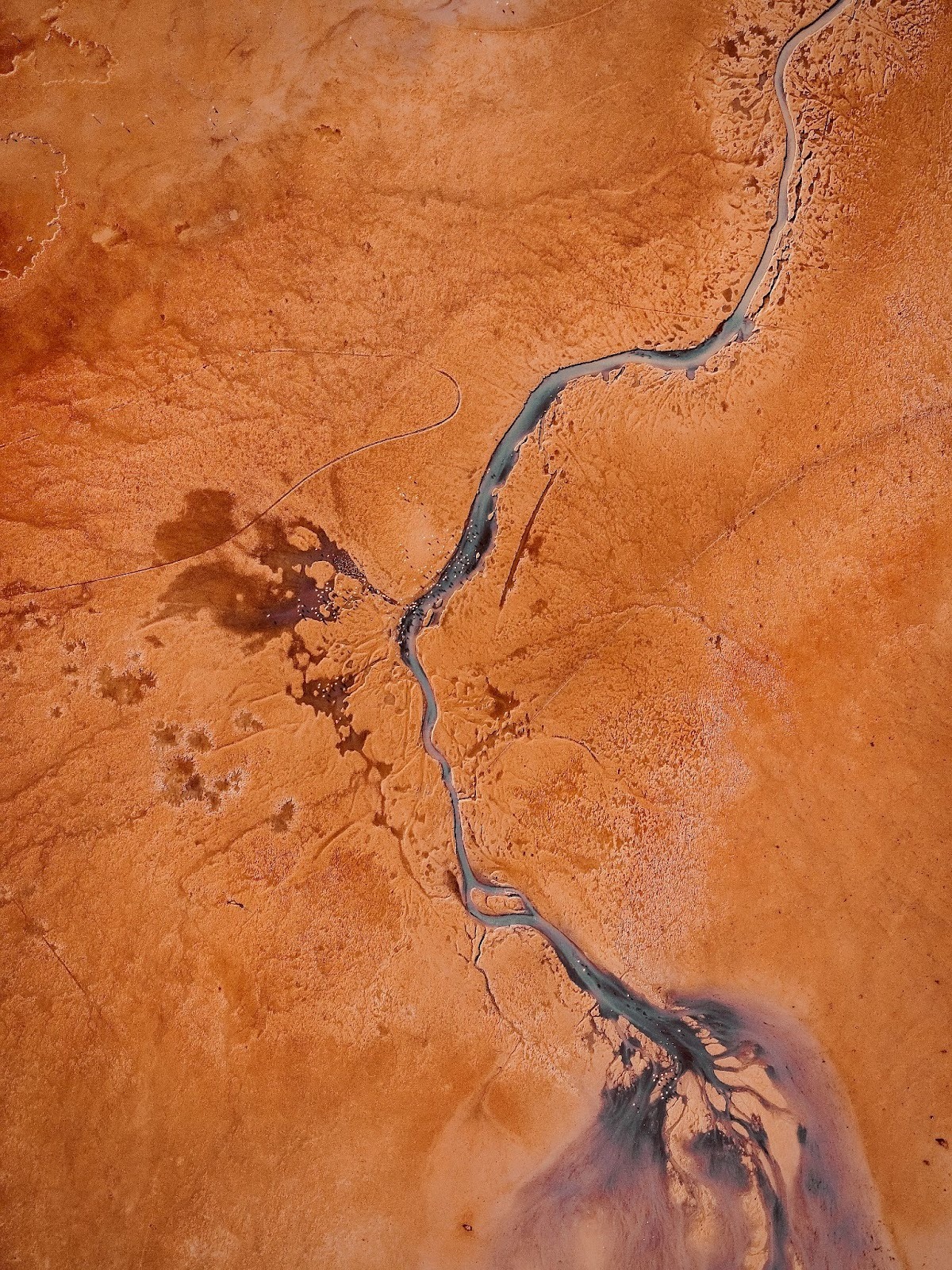
Jhuma Datta highlights: “Beauty of contrasting landscapes, with the vibrant blue river water juxtaposed against arid earth tones, evoking a sense of serene isolation. Dimension and resolution of this entry have high usability”.
Jophel Botero Ybiosa added: “This landscape image has a painterly feel with striking earth tones. The river leads the viewer’s eyes across the image, enhancing the impact”.
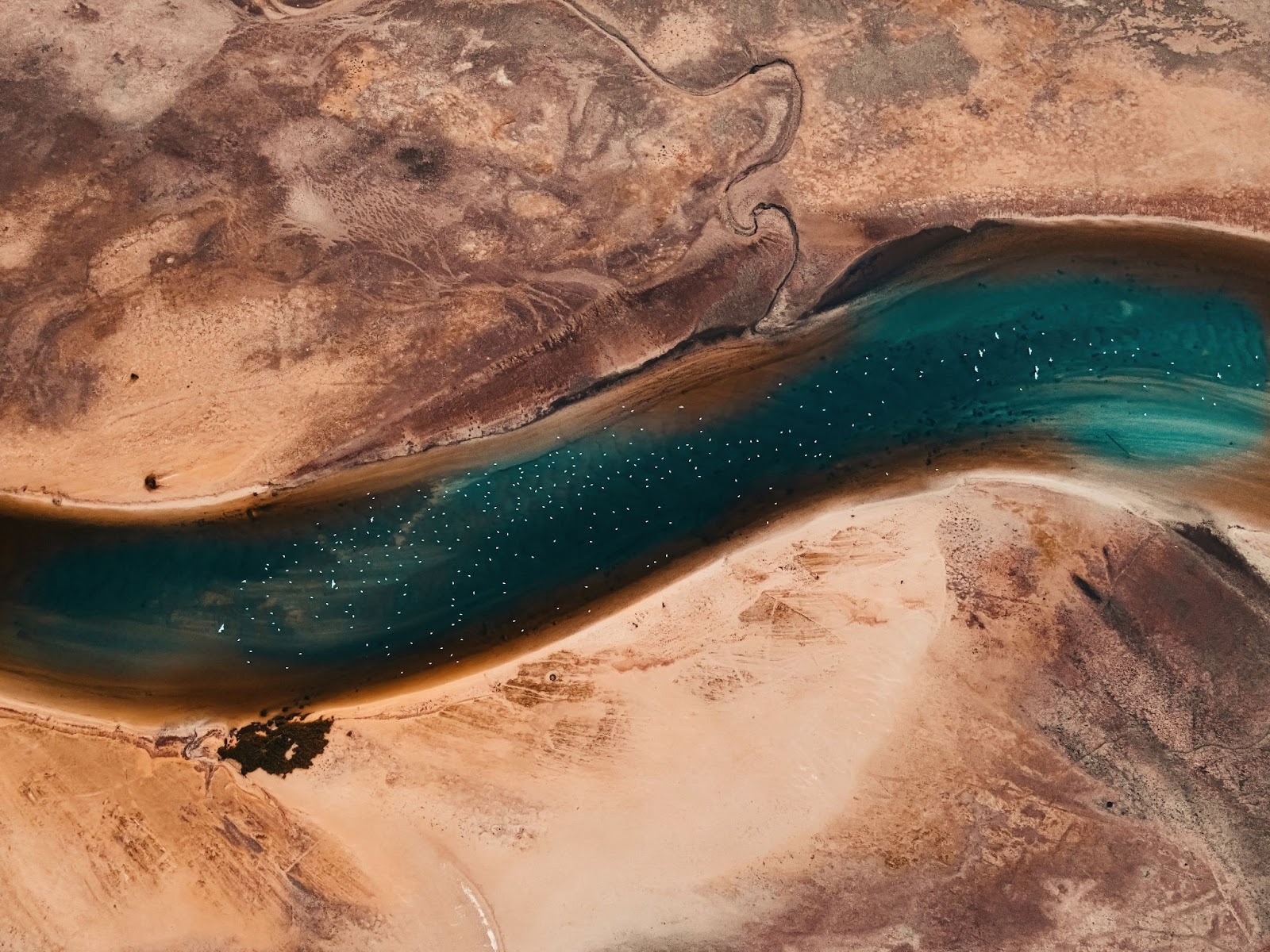
Lloyd Ericson Castro Rodriguez shared: “One of my favorite entries in the landscape category. I love how wide the scale covered within the frame is, and the color treatment effectively showcases the natural beauty of the terrain”.
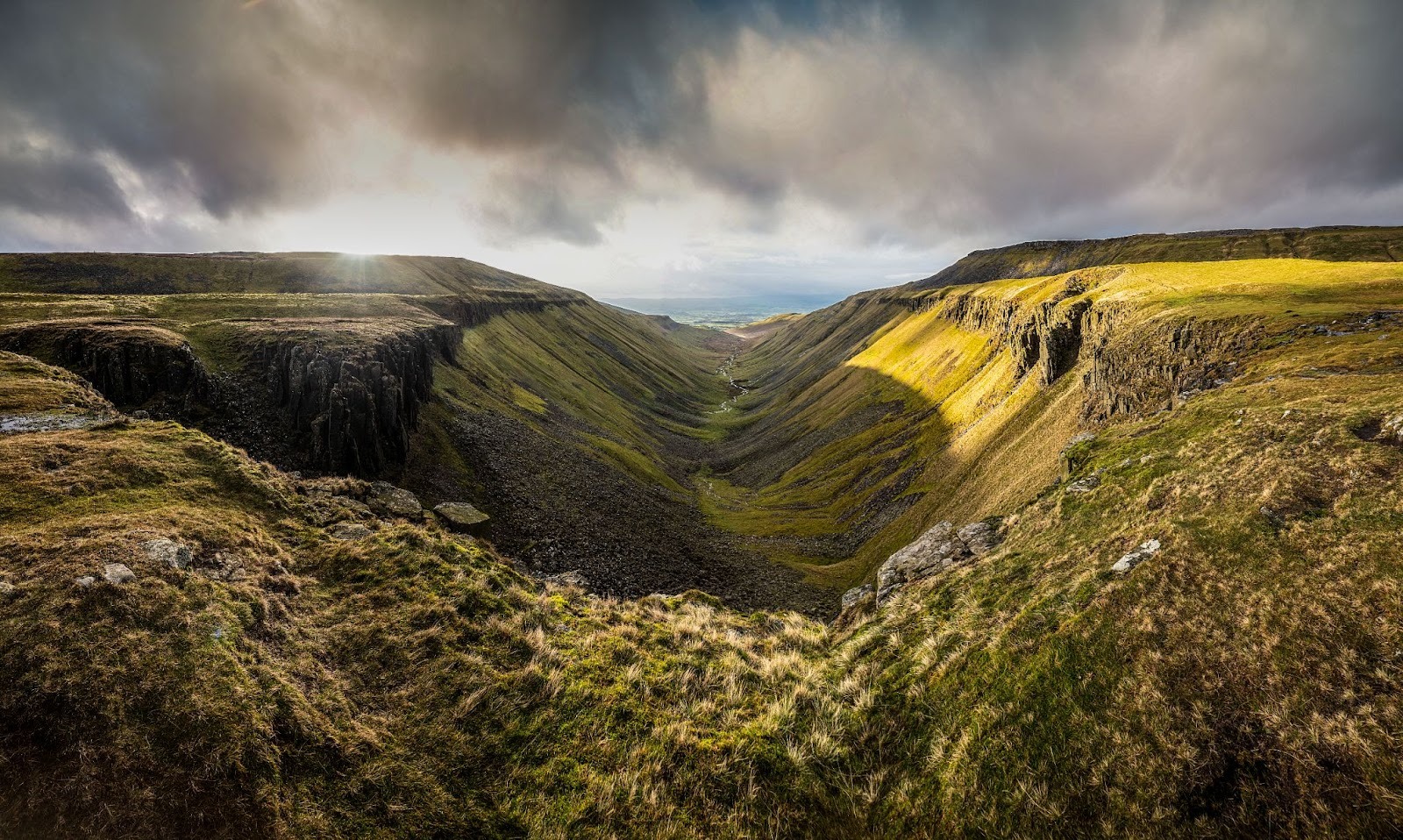
Jhuma Datta added: “Beautiful landscape image. High resolution making it a great entry. Striking composition, contrast of green and yellow hues of the hills adding depth to the scene”.
Elena-Tatiana Chiș: “Beautiful landscape composition. The sky makes it a little bit dramatic but keeps the soft touch of the warm sun”.
Suzanna Tymochko: “Heavy, dark clouds, lighting, deep relief, and harsh nature create a dramatic atmosphere. The quality of the photo is also good. Probably one of my favourite landscape shots presented here”.
7th place
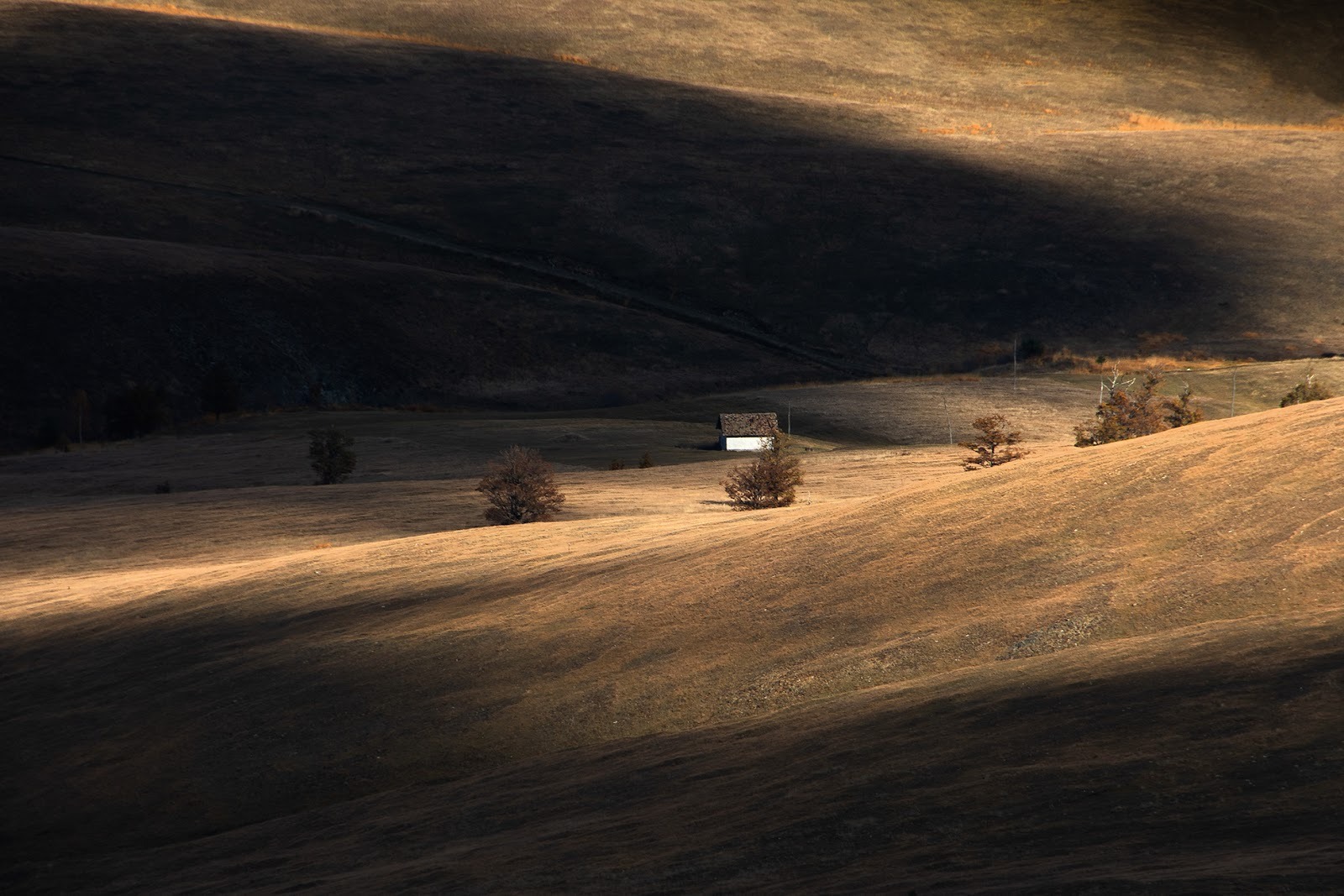
The next mysterious landscape image is taken in Čigota, Zlatibor protected area, located in Serbia.
Lloyd Ericson Castro Rodriguez commented: “This photo proves that impressive landscapes are not only defined by bold and explosive colors. Many aspects of this frame, such as the way the earthy tones of the rolling hills complement the dramatic play of light and shadow, and how the lone cabin evokes a sense of nostalgia, paint a different picture of Serbia in my mind, replacing the snowy impression I’ve always associated with the region”.
Inessa Yurovskikh: “A very cozy and peaceful landscape. The photograph conveys a sense of solitude and oneness with nature. The brown tones suggest completion, but there’s no sense of sadness, melancholy, or despondency. The light pouring onto the ground perfectly complements this”.
8th place
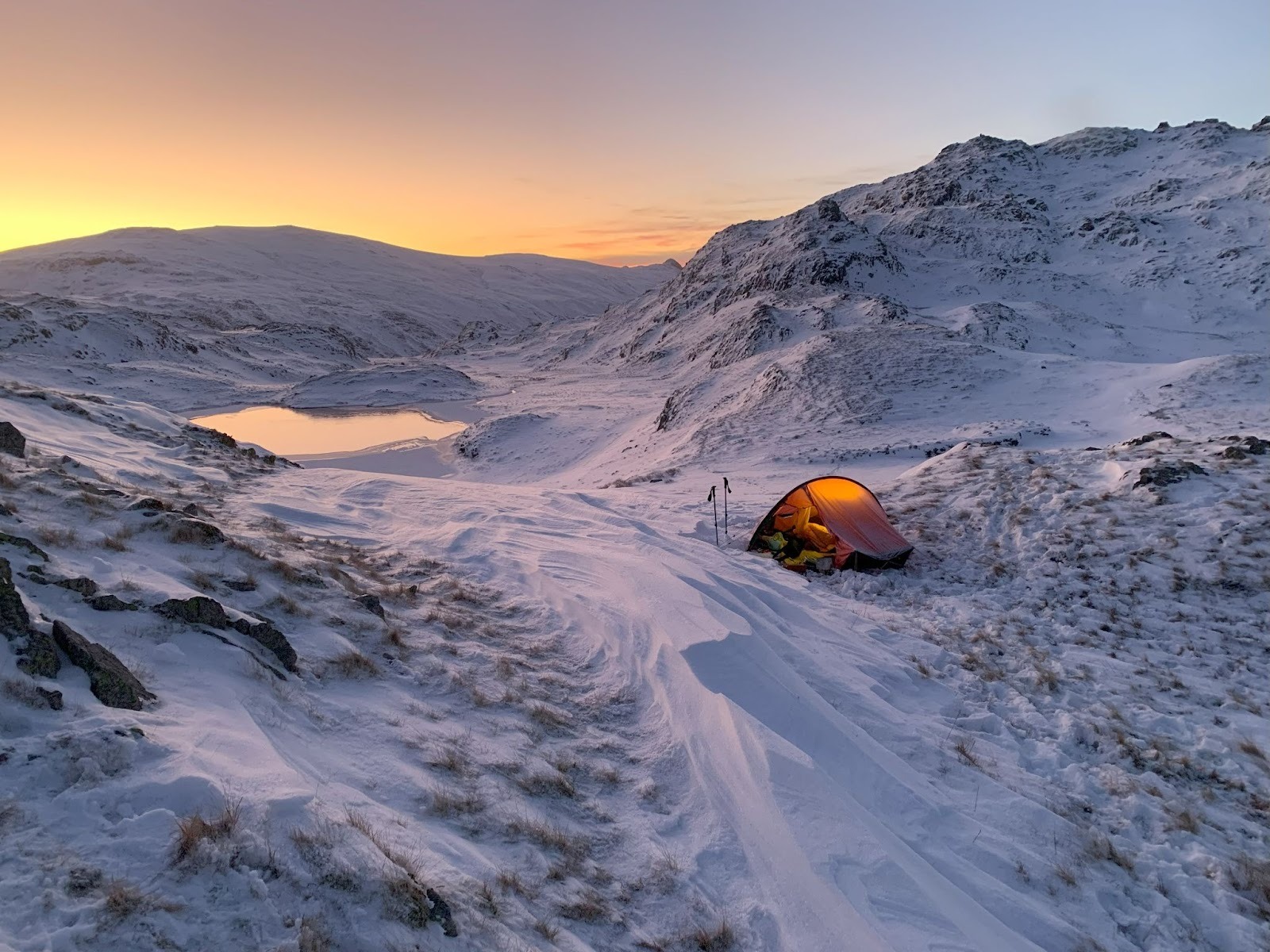
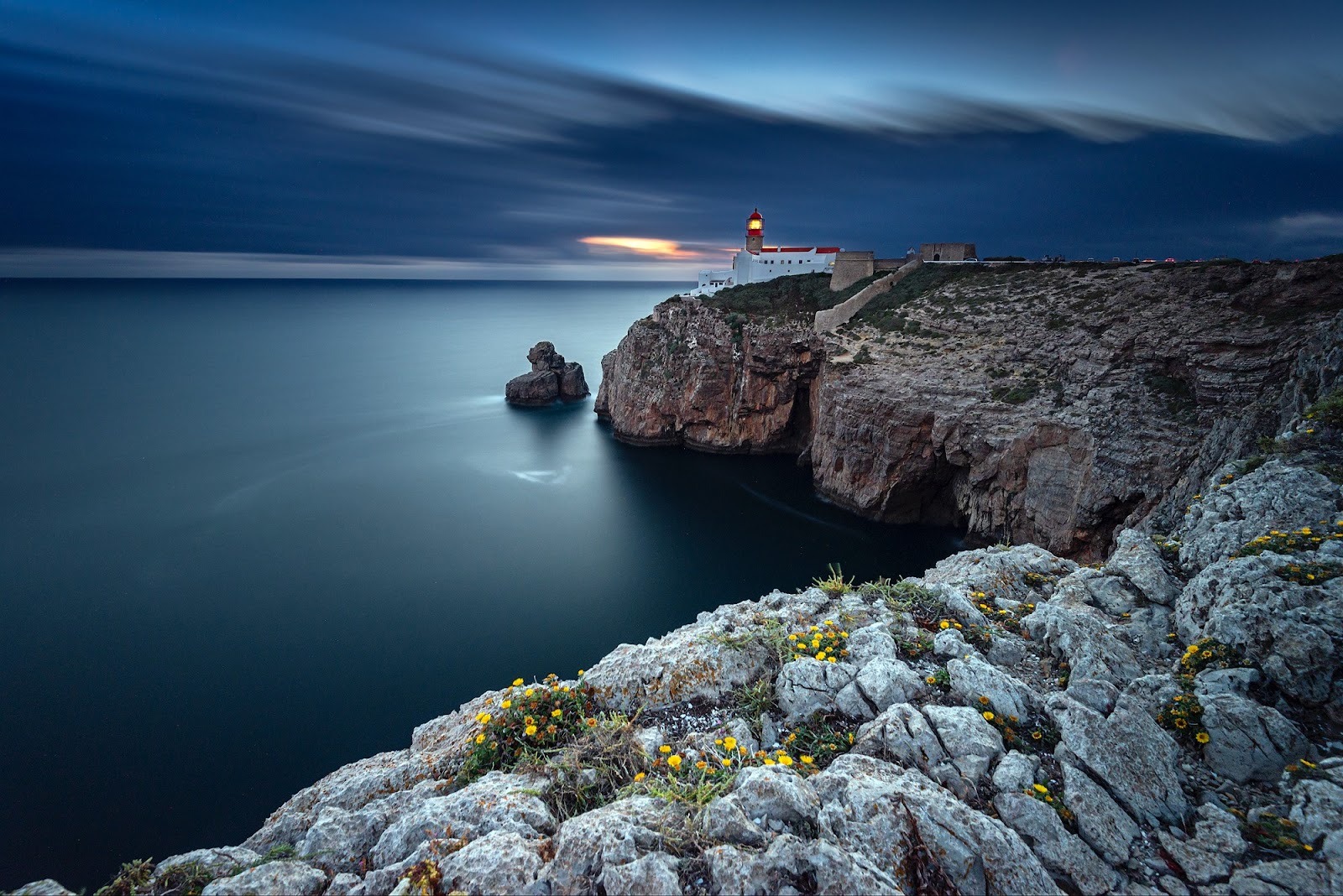
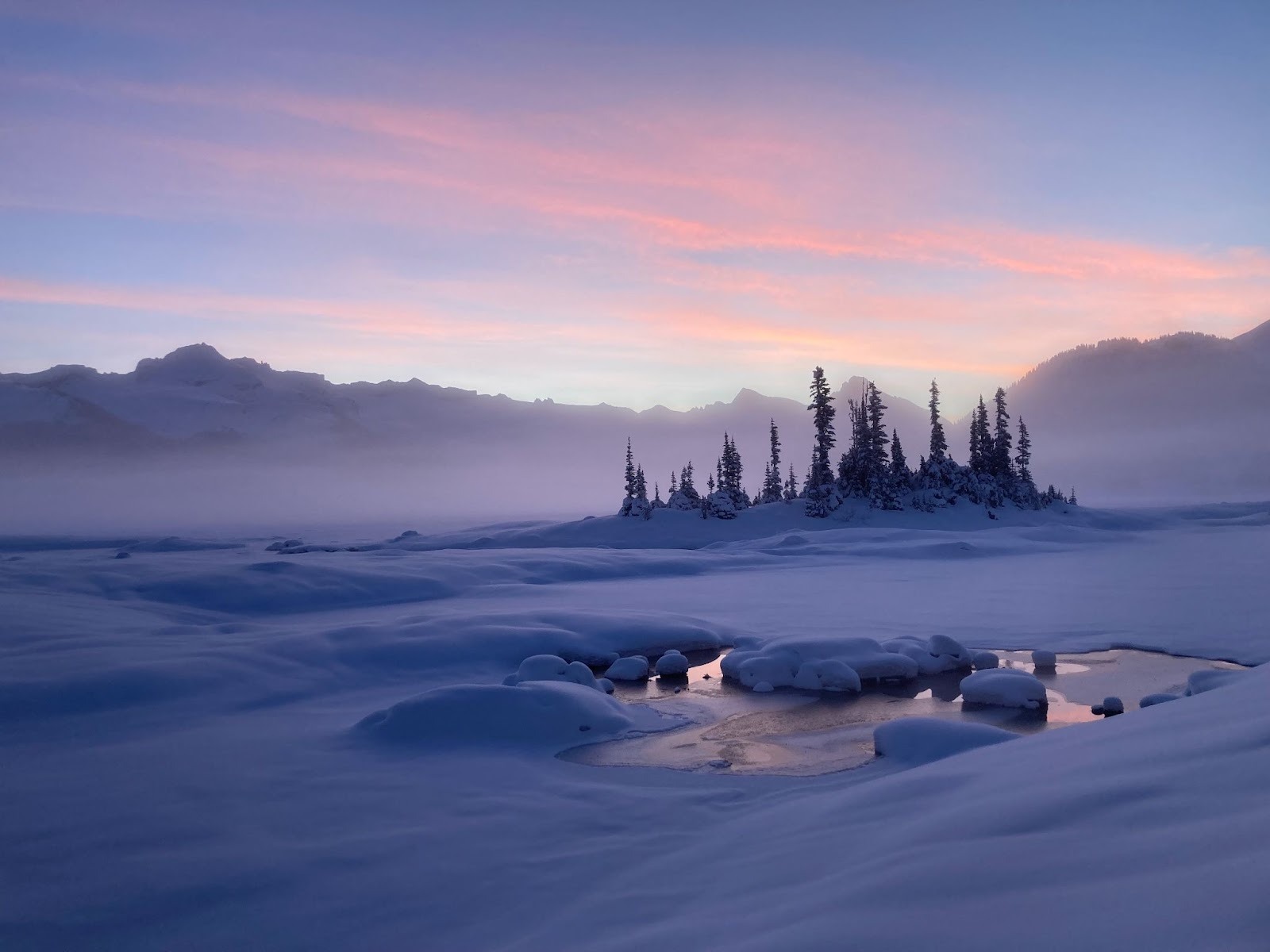
This image illustrates a cold morning — day break on Bessy Boot above Tarn at Leaves looking to High Raise in the south east, Lake district National Park, England.
Lloyd Ericson Castro Rodriguez accents: “Another visually powerful photo of a protected area. I love the photographer’s decision in terms of framing and color treatment. Such places are also what I look for to further the goals and purposes of the WLE event”.
Jhuma Datta highlighted: “The composition is well balanced creating a good layered image”.
Jophel Botero Ybiosa added: “Breathtaking scenery with a sense of serenity! Well done!”.
Congratulations to all the winners for their incredible contributions and dedication to capturing the beauty of our planet, while inspiring greater awareness of natural heritage sites around the world!
If you want to know more about this year’s winners and the detailed methodology of the international evaluation process, look for the full jury report, which will be published and available on Wikimedia Commons soon.
In 2025, Wiki Loves Earth International continued a special category “Video”. Wikipedia articles can be illustrated not only with photos but also with videos, which allows uploaders to showcase natural heritage sites broadly from different perspectives.
In this special category, we recognize videos depicting natural monuments worldwide among the participating countries (it was optional for the local organizers).
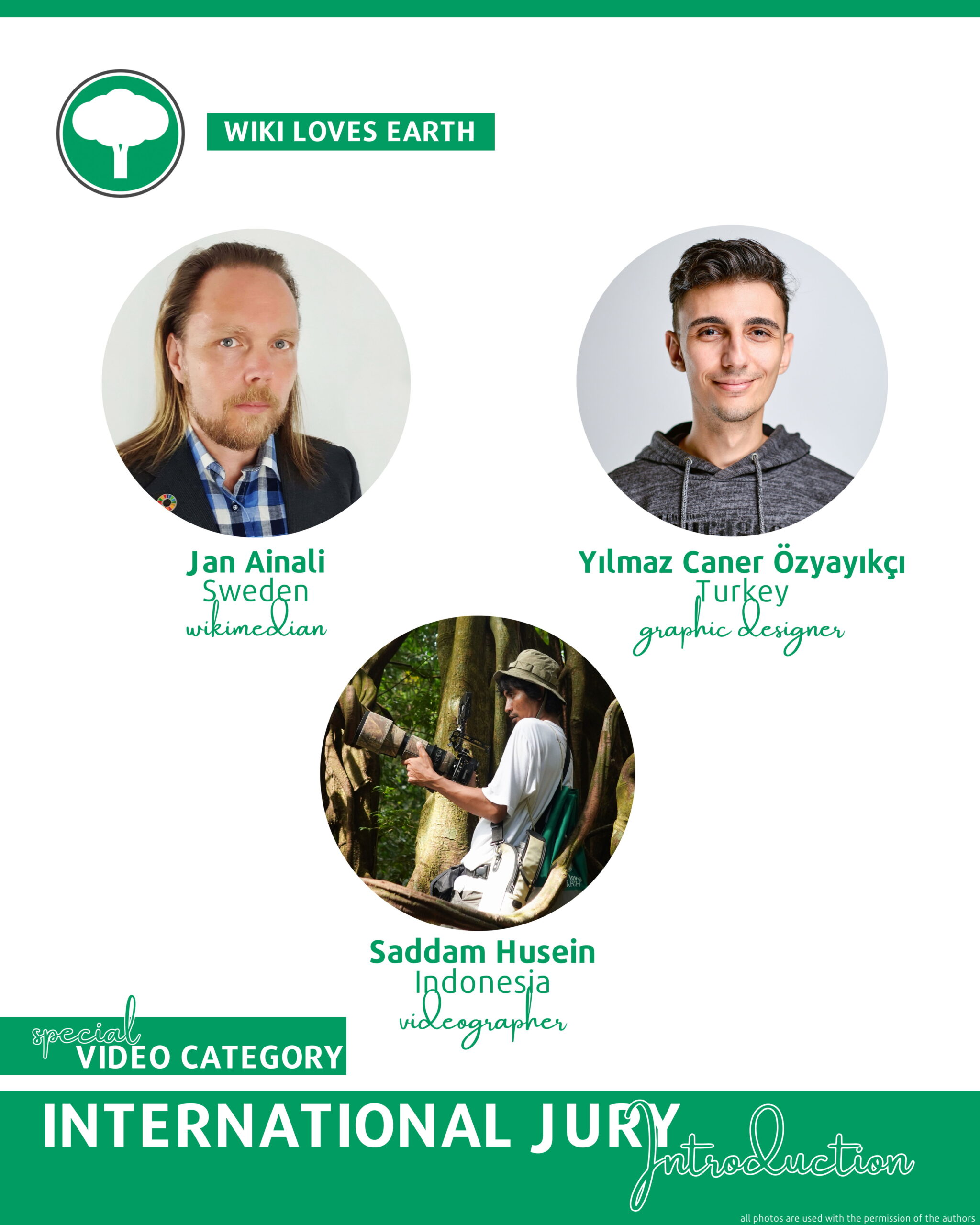
This year, we received five videos from Serbia, Kuwait, and Ukraine, which were evaluated by the three jury members:
Yılmaz Caner Özyayikci (Turkey) — graphic designer, Visual Communication Design graduate, Wikimedian of the Year 2024 (Media Contributor).
Jan Ainali (Sweden) — wikimedian, co-founder of Wikimedians for Sustainable Development, helps organizations become better at working in the open at Open By Default.
Saddam Husein (Indonesia) — professional documentary photographer and videographer focusing on environmental issues.
And we are happy to presentthe best videos of the natural heritage sites of Wiki Loves Earth 2025!
1st place
The first winning place goes to a video by Marko Dekic that gathered the highest marks in this category. It showcases the winter stunning bird’s-eye view of Stara Planina (Balkan Mountains) in Serbia and was filmed on 20th January 2025.
The author of the video shares his experience:“It is a real pleasure to film from probably the only perspective that can faithfully convey the grandeur and beauty of Stara Planina, at a time when it is probably at its most beautiful, in winter. Stara Planina is my favorite part of my country, and it really deserves to be seen by others. The snow may make the scene monotonous in terms of colors, but it adds to the complete peace of the whole ambiance… and that is why I have been waiting for years to be able to make something like this. Finally, as a personal experience, I can say that I got quite cold while making these recordings, but I definitely enjoyed it”.
Stara Planina in a unique light. Stara Planina, Serbia. [Video by Marko Dekic, CC BY-SA 4.0.]
One of the jurors, Jan Ainali, commented on this video:“Calm and peaceful video that really gives a good overview of the area”. Yılmaz Caner Özyayikci added: “I like the winter theme and the video flow — it describes the area quite well”.
2nd place
The video captures a moment of winter “foraging” by a Bank Vole (Myodes glareolus) within the Chahari Kutkivetski nature area, Ternopil region, Ukraine. The footage was recorded on 19th January 2025.
The author of the video shares the story behind its creation: “At that time, my goal was to film birds of prey. I spent hours sitting in a hide, waiting for them, but with no success. Then one moment, a little mouse ran past the trunk of a fallen tree. After that, I started bringing a handful of grain and scattering it in that spot. Eventually, this mouse would appear, happily nibbling on the grains and even carrying them back to its burrow. And that’s how this video was made — purely by chance.”
A Bank Vole searching for food. “Chahary Kutkivetski” Natural Area, Ternopil Region, Ukraine. [Video by Liubomyr Matviyiv, CC BY-SA 4.0.]
Juror Yılmaz Caner Özyayikci shared:“The flow and technical details are generally successful. Even the animal’s voice is quite detailed. I particularly liked that the sound was recorded this way”. Another juror Jan Ainali commented: “Nice with the establishing shots and then the introduction of our main character along with its movement and behavior”.
3rd place
The third place was awarded to a video by Serhii Markov, filmed in June 2023. The footage captures a case of cannibalism in snakes: one smooth snake (Coronella austriaca) consuming another on a rocky shoreline of a water body in the Yatsevо area — a state-level forest reserve in the Dnipropetrovsk region, Ukraine.
The author shares: “Since the start of the full-scale war, the closest wild forests I loved have been closed to visitors. I had to shift to observing wildlife in small steppe patches and cliffs near the Dnipro Rapids in the vicinity of the Yatsevo area — and I don’t regret it. Whenever possible, I travel there almost daily, sometimes even for just half an hour, to mentally reset. Mostly, I watch as various rare plant species bloom one after another from early spring until the winter cold, and I always visit the spots where smooth snakes, Sarmatian rat snakes, and green lizards — all protected species — gather. In a way, the scene in the video came as a surprise to me, but in another way, it’s the result of systematic observation.”
Smooth snakes exhibiting cannibalistic behavior. Yatsevo Natural Area, Dnipropetrovsk Region, Ukraine. [Video by Serhii Markov, CC BY-SA 4.0.]
“An image that tells the story of how the world works. Some eat and some are eaten, so that the ecosystem remains balanced.” — highlighted one of the jurors Saddam Husein.
Yılmaz Caner Özyayikci added: “Although the composition and camera movement are a bit shaky, I think the content is good. Also, the fact that the video has different angles ensures that the subject is well displayed”.
Jan Ainali commented as well that this is a good closeups on an unusual situation.
Congratulations to the winners, and thanks to everyone who has shown their interest in showcasing the natural heritage in such an interesting way. We are looking forward to seeing more beautiful videos next year!
Celebrate this year’s winnings with us during the Wiki Loves Earth 2025 Award Ceremony on 19th December, at 13:30 UTC on Zoom. Check the time with your local timezone here.
If you want to participate, please register by filling out this short form, and we will send you an invitation.
And wait for the final top 20 winners to be announced very soon!
Follow the contest on our channels to keep up with updates:
Join us to celebrate the winners of Wiki Loves Earth 2025!
The final winners of the contest will be announced next week, so we are excited to invite you to the Wiki Loves Earth 2025 virtual Award Ceremony, taking place on 19 December at 13:30 UTC on Zoom.
This global event brings together photographers, volunteers, and nature lovers from all around the world to honor the stunning images and dedicated contributors who made this year’s competition possible. We will reveal the international winners, share highlights from the 2025 contest, and take a moment to appreciate the communities behind the contest.
Want to attend?
Please register by filling out a short form, and we will send the Zoom invitation directly to your email: https://forms.gle/SCntmSesfNEb5nze9
Team of three people — Wikimedians, photographers, environmental specialists put their efforts into rating all the submitted images and choose the most illustrative ones.
Ananya Mondal (India) — a veteran Wikimedian, hobbyist nature photographer and conservationist. Passionate about exploring the wild, she is also fond of forest surveys, rock climbing and Himalayan trekking. Her deep love for photographing butterflies inspired her to initiate and successfully lead Wiki Loves Butterfly. Widely recognized as the “Butterfly Wikimedian,” Ananya received the Wikimedian of the Year 2021 – Rich Media Award. She also serves as a member of the organizing teams for Wiki Loves Monuments (WLM) India and Bangla WikiMoitree.
Juliana Almeida (Portugal) — integrates UNEP’s Law Division as an Environmental Law Specialist. She is currently working with matters related to human rights, the right to a clean, healthy, and sustainable environment, future generations, and building judicial capacity for the environment. She has previously worked in the European Parliament and the Portuguese Presidency of the Council of the European Union in environmental matters. She has a Bachelor of Laws and a Master of Laws in International and European Law from the Nova University of Lisbon, as well as a post-grad in Environmental Law.
Susanna Ånäs (Finland) — a coordinator by practice and an artist, photographer, and documentarist at heart. Having joined the Wikimedia movement in 2012, she now runs the AvoinGLAM group in Helsinki, Finland, promoting open access to cultural heritage. The group likes to interpret GLAM as Global Languages, Art, and Memory instead of the institutional Galleries, Libraries, and Museums. The focus of the work is on urgent and important issues and bringing people together from across domain boundaries to work and learn together on them in case studies, experiments, or events like the co-creation “hackathon” Hack4OpenGLAM. Susanna has organized Wiki Loves Monuments in Finland three times. She wishes to explore and promote ways in which open culture advocates can make a positive impact on vulnerable and threatened cultural heritage or secure environmental sustainability.
The final results of this category will be announced pretty soon!
A team of three professionals — videographers, graphic designers, photographers, and Wikimedians — devoted their time and expertise to judging the submitted videos this year.
Saddam Husein (Indonesia) — professional documentary photographer/videographer focusing on environmental issues.
Jan Ainali (Sweden) — started his Wikimedia journey on Wikimedia Commons in 2006. He has been the CEO of Wikimedia Sverige and is a co-founder of Wikimedians for Sustainable Development. In previous years, he has been on the jury for the Swedish Wiki Loves Earth and Wiki Loves Monuments, as well as the international Wiki Loves Monuments. In his day job, he helps organizations become better at working in the open at Open By Default.
Yılmaz Caner Özyayıkçı (Turkey) — Graphic designer, Visual Communication Design graduate, Media Contributor of the Year 2024. Since 2014, he has been contributing to Wikimedia projects. He likes to share his experience and help Wikimedians in various Wiki events in Turkey, and helps many communities and users in the Wikimedia movement, especially the Wikimedia community and student clubs in Turkey, in various areas, especially in the field of graphic design. Caner is also interested in cultures and developing them as free knowledge through various designs. In terms of photography, he likes to take and analyze macro photographs the most. He also enjoys comparing the locations of historical photographs to their current state.
We are excited to announce the results of this nomination very soon. Stay tuned!