In 2025, the Wiki Loves Earth International photo contest again supported the initiative Wiki4HumanRights in partnership with the Wikimedia Foundation (WMF) and the Office of the High Commissioner for Human Rights (OHCHR).
Its goal is to raise awareness of nature protection and human impacts on nature.
Within the special category “Human Rights and Environment”, we accepted images that capture the impact of human activity on the environment. You can read more about the nomination and criteria for image selection here.
We have been organising this category every year since 2021. And since 2023, we have been accepting images from the whole world, not only from the countries taking part in the main contest.
This year, we received over 11,500+ images in this category, which then went through an additional initial selection stage from roughly 200 photos that best matched the category theme.
Three jury members — biologists, ecologists, human rights and environmental specialists, as well as experienced Wikimedians — helped us select the strongest images for this special category.
- Juliana Almeida (Portugal) — integrates UNEP’s Law Division as an Environmental Law Specialist, working with matters related to human rights, the right to a clean, healthy, and sustainable environment.
- Ananya Mondal (India) — hobbyist nature photographer and conservationist, Wikimedian of the Year 2021 (Rich Media Award).
- Susanna Ånäs (Finland) — Wikimedian, documentarist, artist, photographer, runs the AvoinGLAM group in Helsinki.
Read more about the jurors here.
After the organizing team’s review and the jury’s evaluation, we have the best series of images, which reveal the deep and often fragile connection between people, nature, and wildlife — from livelihoods dependent on healthy ecosystems to landscapes scarred by pollution, and animals suffering from human-made waste.
“The human footprint”
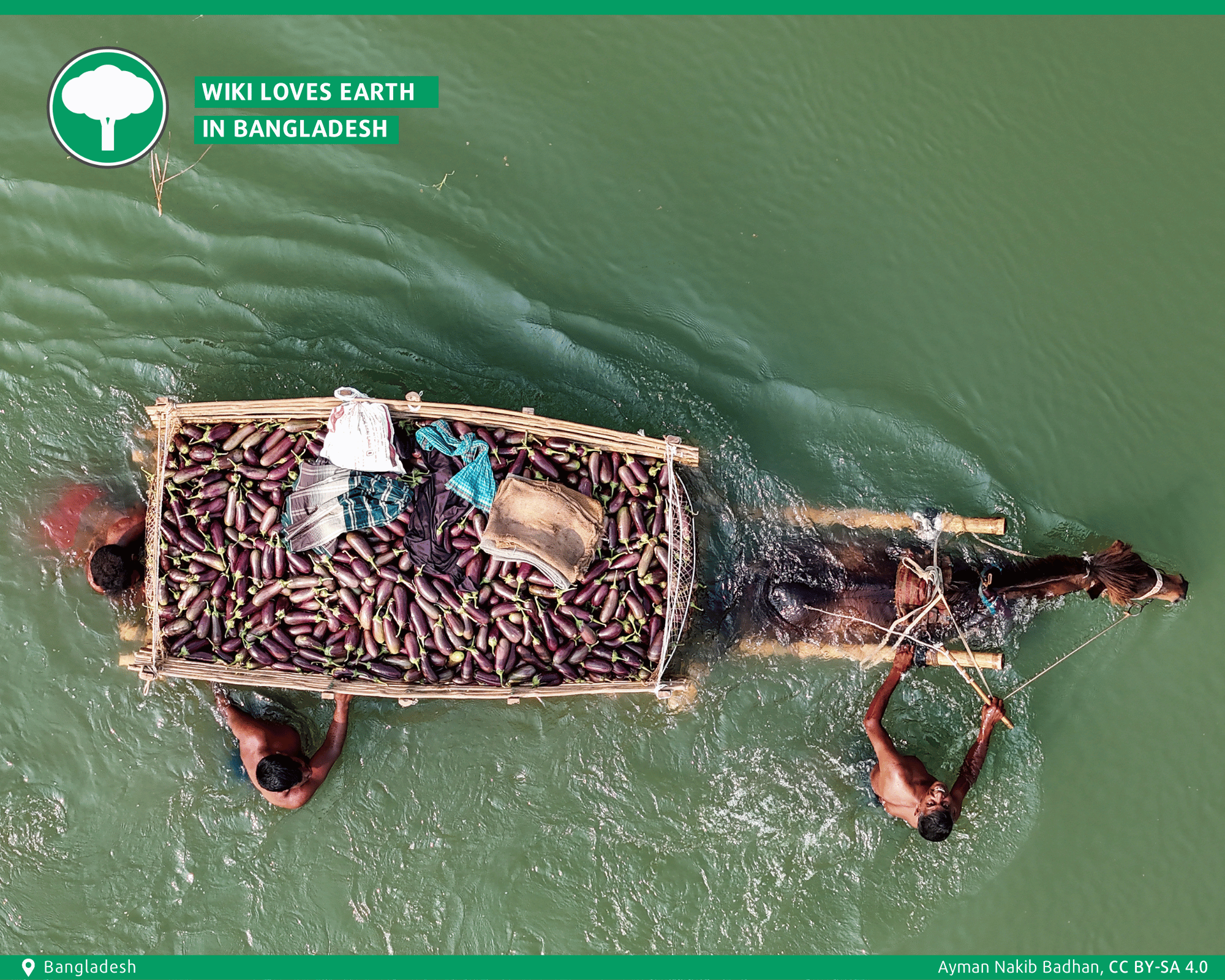
In this striking image from Bangladesh, a group of men ferries baskets of brinjals (eggplants) across a swollen river, perched atop a wooden horse cart. The horse, half-submerged with only its head and neck above water, presses forward against the current. The scene captures both the hardship and the unwavering resolve of rural life — where daily commerce continues even when nature challenges every step. A powerful testament to human and animal endurance amid climate stress and inadequate infrastructure.
One of the jurors, Juliana Almeida, commented: “The angle and colour contrasts are quite impressive. It’s interesting how the photo shows the indivisibility between humans and nature”.
Another juror, Susanna Ånäs pointed out: “This beautiful image portrays the hardship faced by a horse cart and its drivers as they cross a flooded ford with a cargo of eggplants. It highlights the fragile dependence on stable conditions when infrastructure is lacking”.
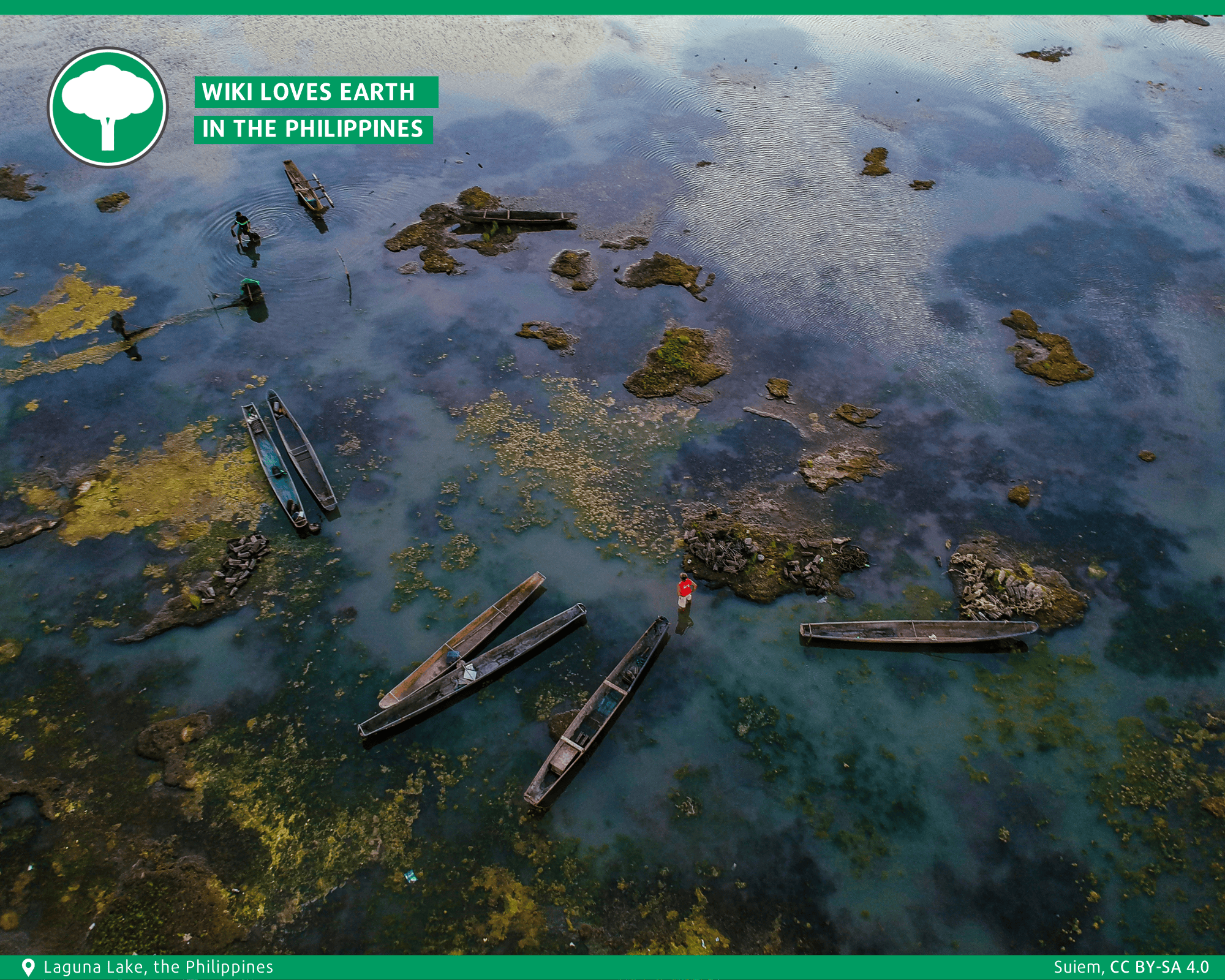
As dawn breaks over Laguna Lake in the Philippines, two fisherfolk prepare their boats with quiet determination. Their routine reflects more than daily labour — it reveals a deep dependence on a healthy freshwater ecosystem. Sustainable fishing here is not only a tradition, but a matter of environmental justice: when lakes are polluted or overexploited, entire communities lose their livelihoods, food security, and the right to a safe environment. This image highlights the close link between human rights and the protection of natural waters that sustain life.
The juror Susanna Ånäs highlighted: “The fishing boats and the coastal habitat create a fascinating composition of colours and textures. Are the boats parked, or are the fishermen waiting for the catch? With so many activities going on across the canvas, one would like to have a more detailed look”.
Juliana Almeida added: “Very beautiful shot showcasing how much the ocean is a source of livelihoods for many and deserves to be protected for its benefits and for the value it has itself”.
And Ananya Mondal commented: “Beautifully balanced composition with harmonious colours, well-placed shadows, and subtle highlights”.

Local fisherfolk rely on the Cansaga River system in Consolacion, Philippines, as a vital source of food and daily survival. Their presence along the river highlights how healthy waterways are essential to community well-being and food security — and how environmental degradation or pollution directly threatens the rights and livelihoods of people who depend on these natural resources.
Juliana Almeida commented: “The movement and the lighting were captured perfectly”.
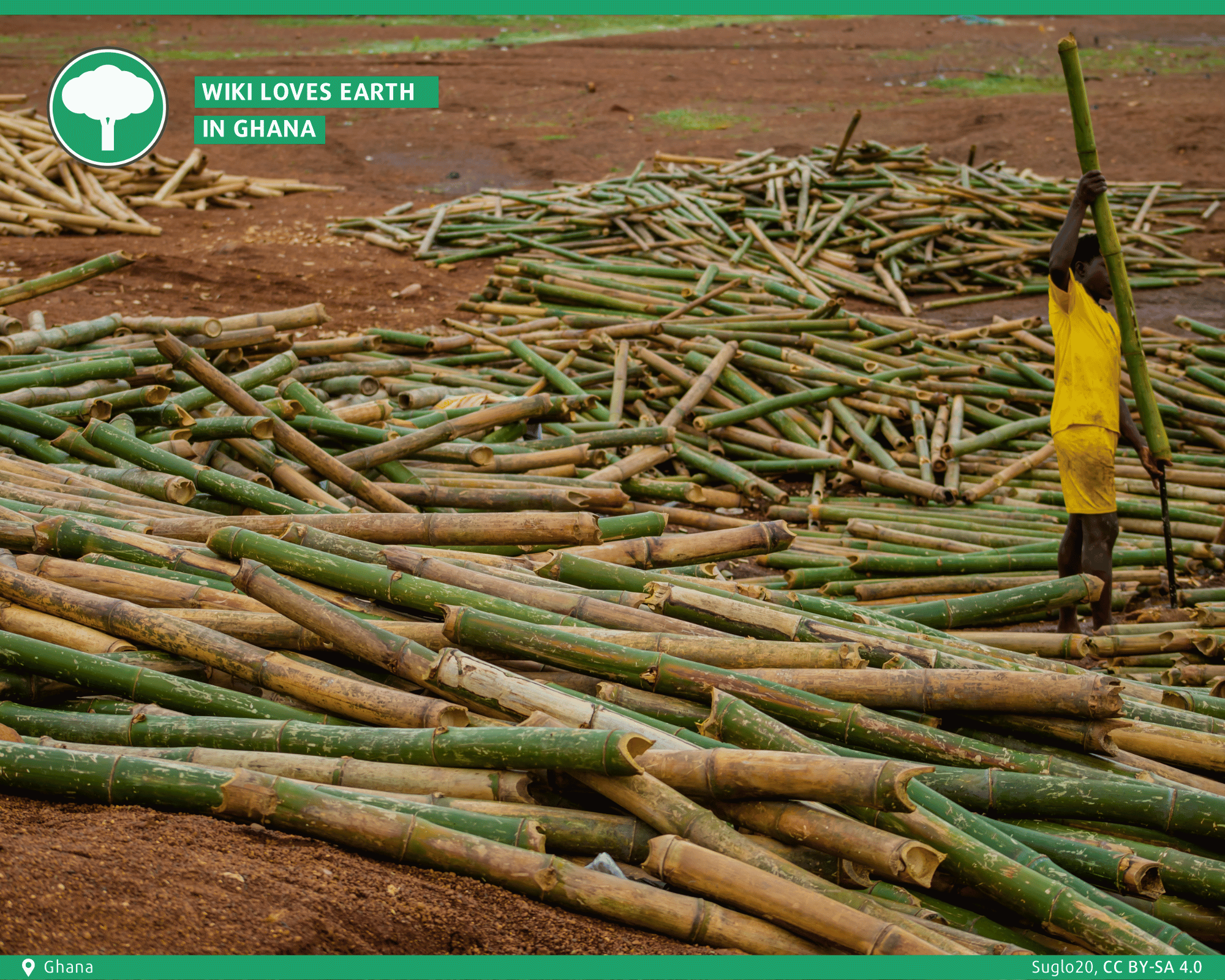
Workers in Ghana handle freshly cut bamboo, preparing it for use in construction, crafts, or fuel. While bamboo is a renewable resource, large-scale harvesting without sustainable management can degrade ecosystems, reduce biodiversity, and threaten the balance of local environments that communities rely on for their livelihoods and well-being. This image illustrates the delicate relationship between human activity and natural resource use.

The next photo from Egypt illustrates the families living in makeshift shelters constructed from salvaged materials, highlighting the vulnerability of people whose livelihoods and homes are directly affected by environmental stress and scarcity. Limited access to safe land, clean water, and sustainable resources underscores how environmental degradation and climate pressures can threaten fundamental human rights and the well-being of entire communities.
Susanna Ånäs commented: “The image is a solemn reminder of displaced people living and maintaining their dignity in temporary shelters”.
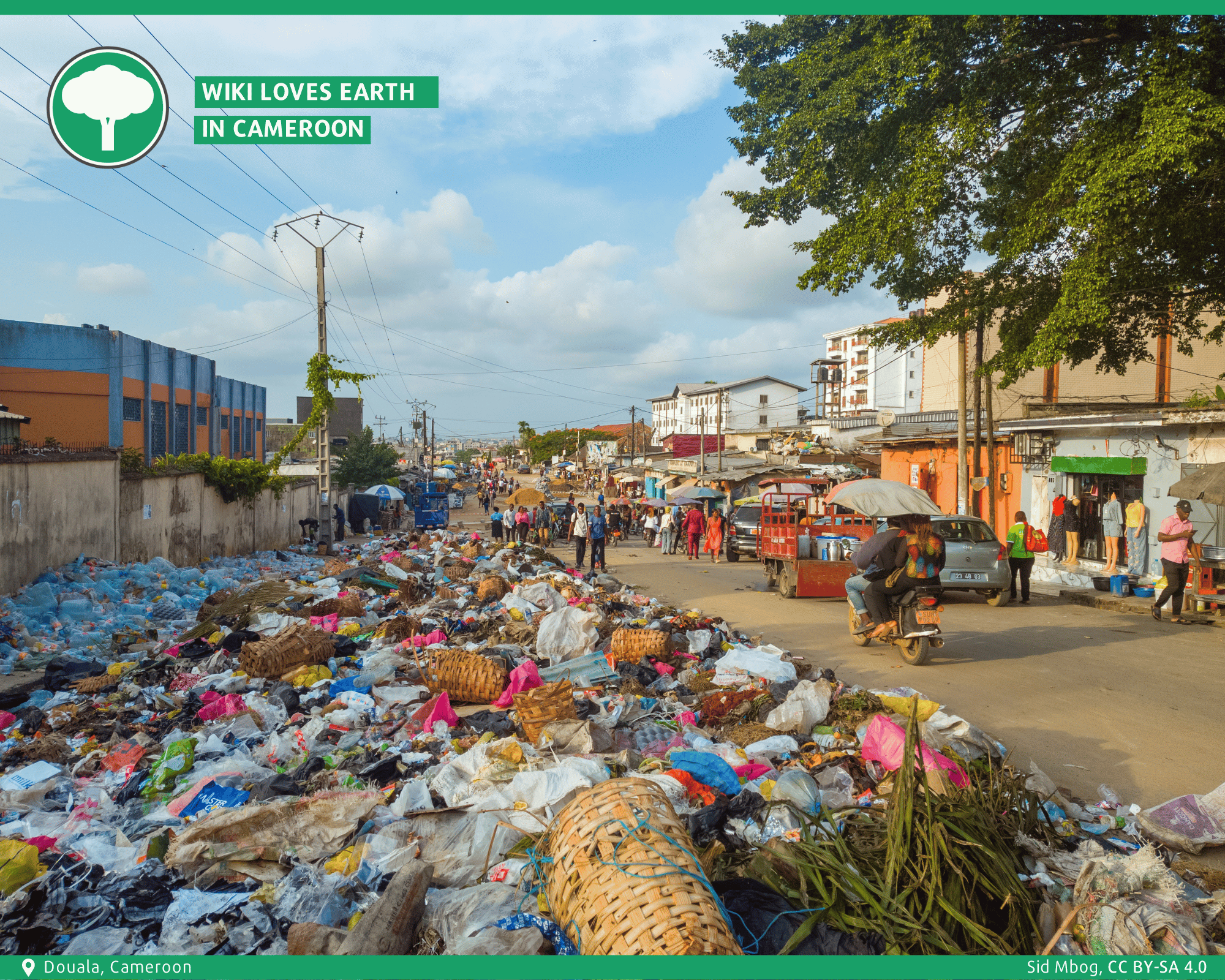
Photographed on a street in Douala, Cameroon, this scene illustrates a recurring environmental issue affecting many urban areas: the large-scale dumping of household waste directly onto public roads. Such accumulations disrupt traffic, expose residents to health risks, and pollute nearby soils and waterways. This image highlights the urgent need for more effective urban waste management, as well as greater awareness among both citizens and authorities of the ecological and social impacts of these practices.
“Caught in our waste”
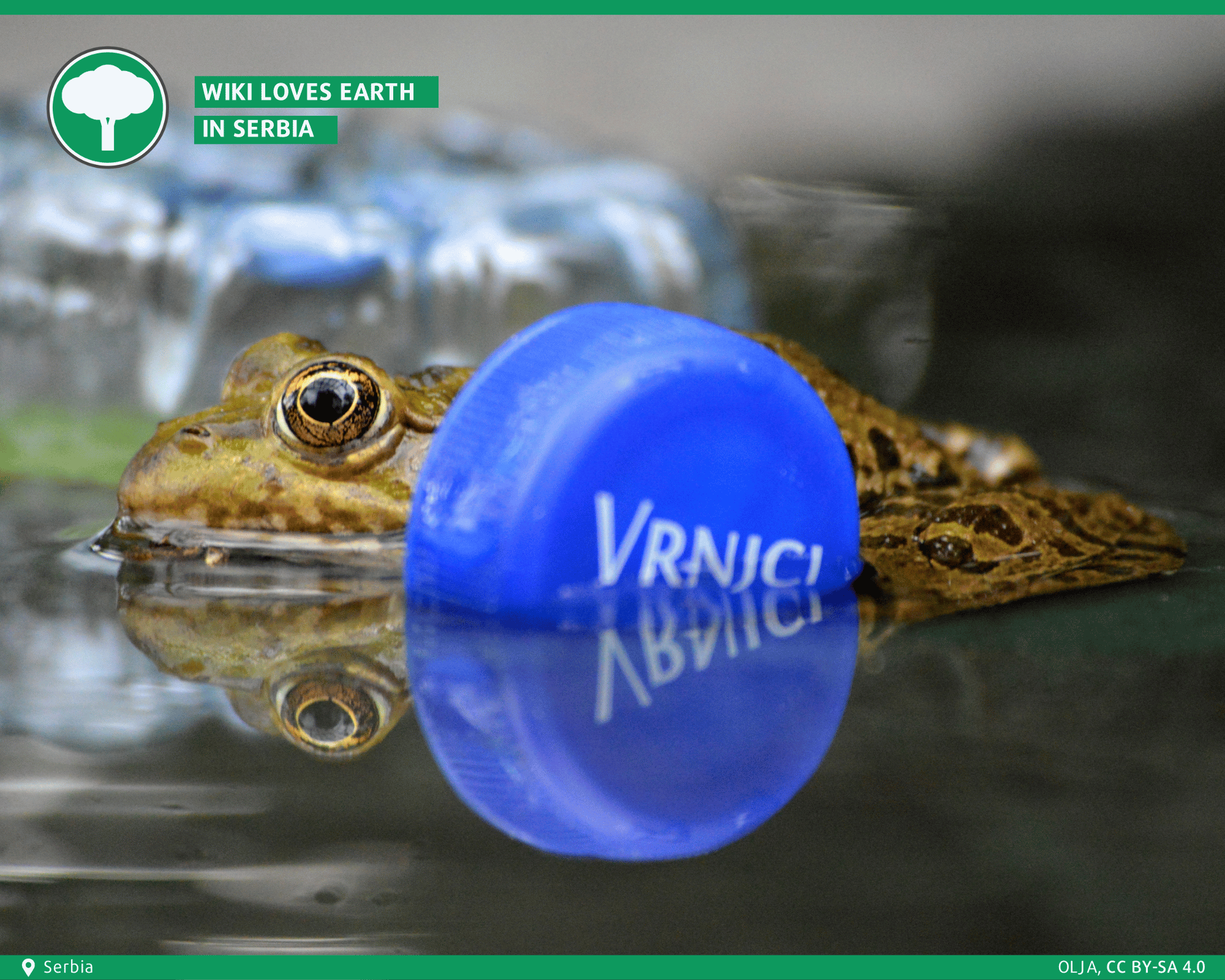
A frog swims beside a floating plastic bottle cap, a stark reminder of how everyday waste infiltrates natural habitats and threatens wildlife. The image from Serbia highlights the silent impact of plastic pollution on fragile freshwater ecosystems.
Juliana Almeida pointed out: “This photo was shot at the exact right moment. Very impressive how the pervasiveness of plastic pollution is affecting fauna all over the world, which in turn affects ecosystems and their natural cycles”.
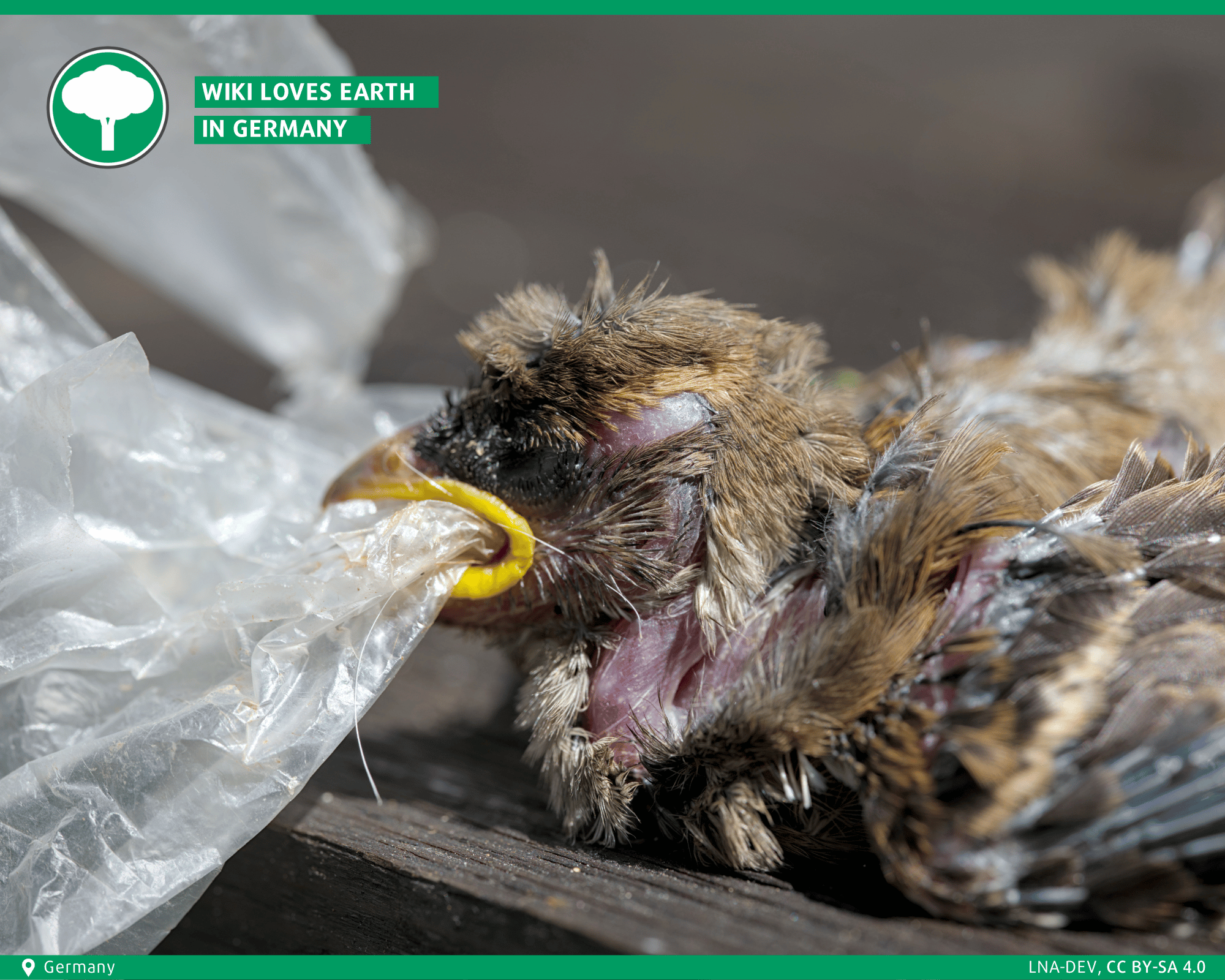
A bird chick lies lifeless after attempting to swallow plastic waste. This image from Germany starkly exposes the deadly consequences of pollution, showing how discarded plastic turns everyday environments into lethal traps for wildlife.
Ananya Mondal highlighted: “A deeply saddening image of a bird that attempted to swallow a piece of plastic — an alarming reminder of how plastic pollution harms biodiversity”.
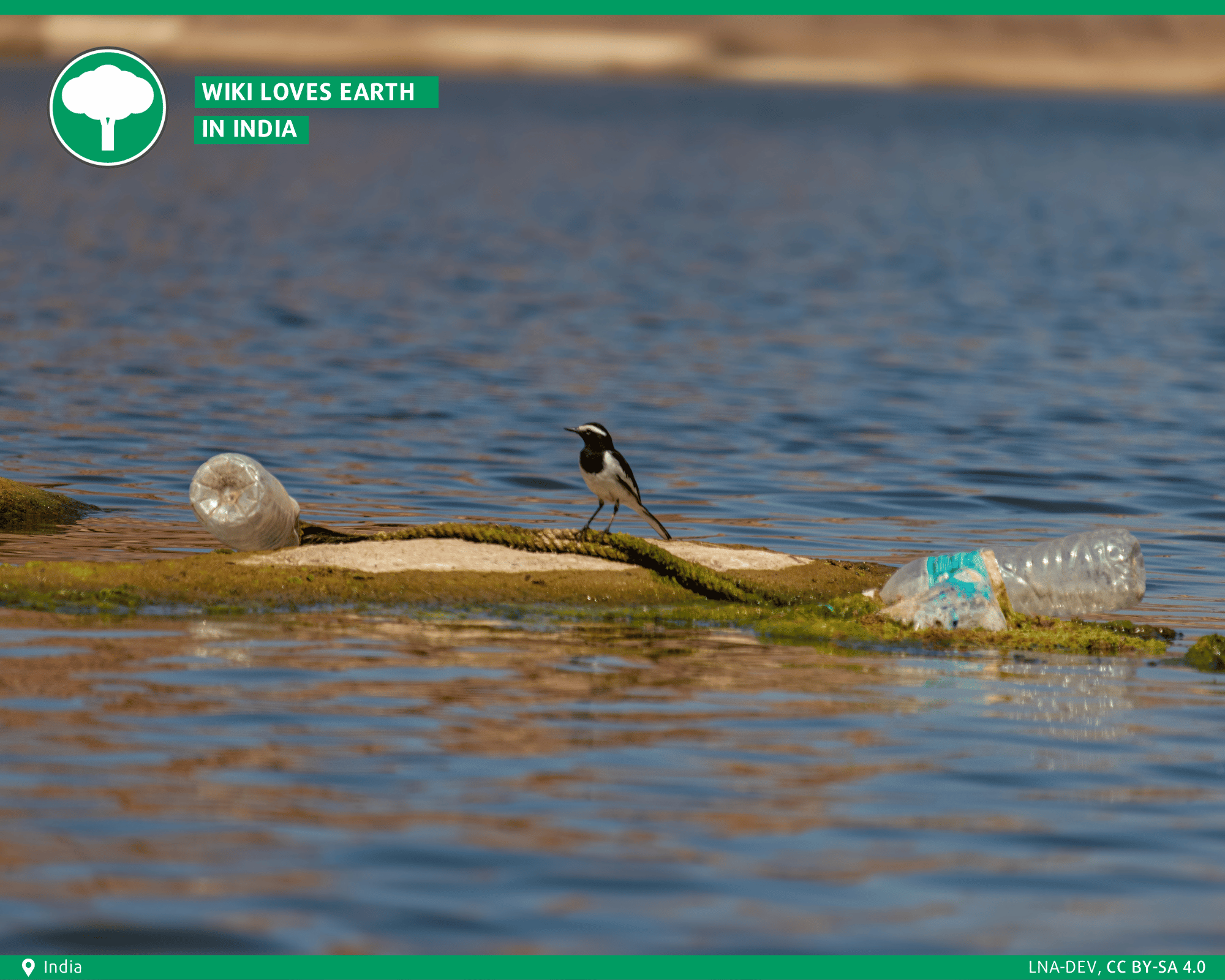
A lone bird stands amid floating plastic bottles on the water’s surface — a bitter contrast to celebrations of nature captured in India. The image reminds us that for wildlife living with pollution every day, there is little to celebrate on World Environment Day.
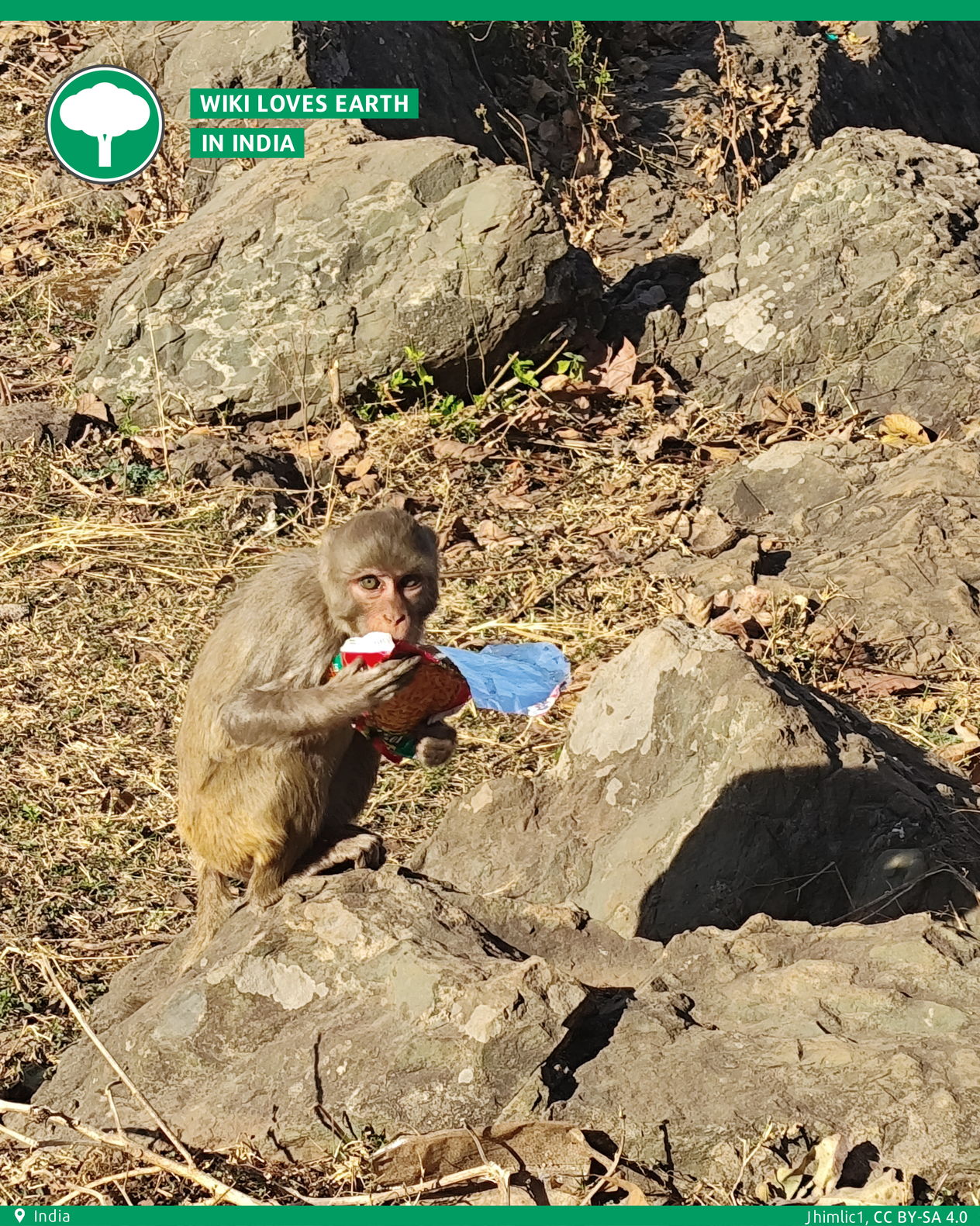
This image from India captures the fragile balance between wildlife and human encroachment. With forests shrinking, monkeys often forage in human waste, reflecting the broader issue of habitat degradation and the urgent need for coexistence with nature.
“Nature under pressure”
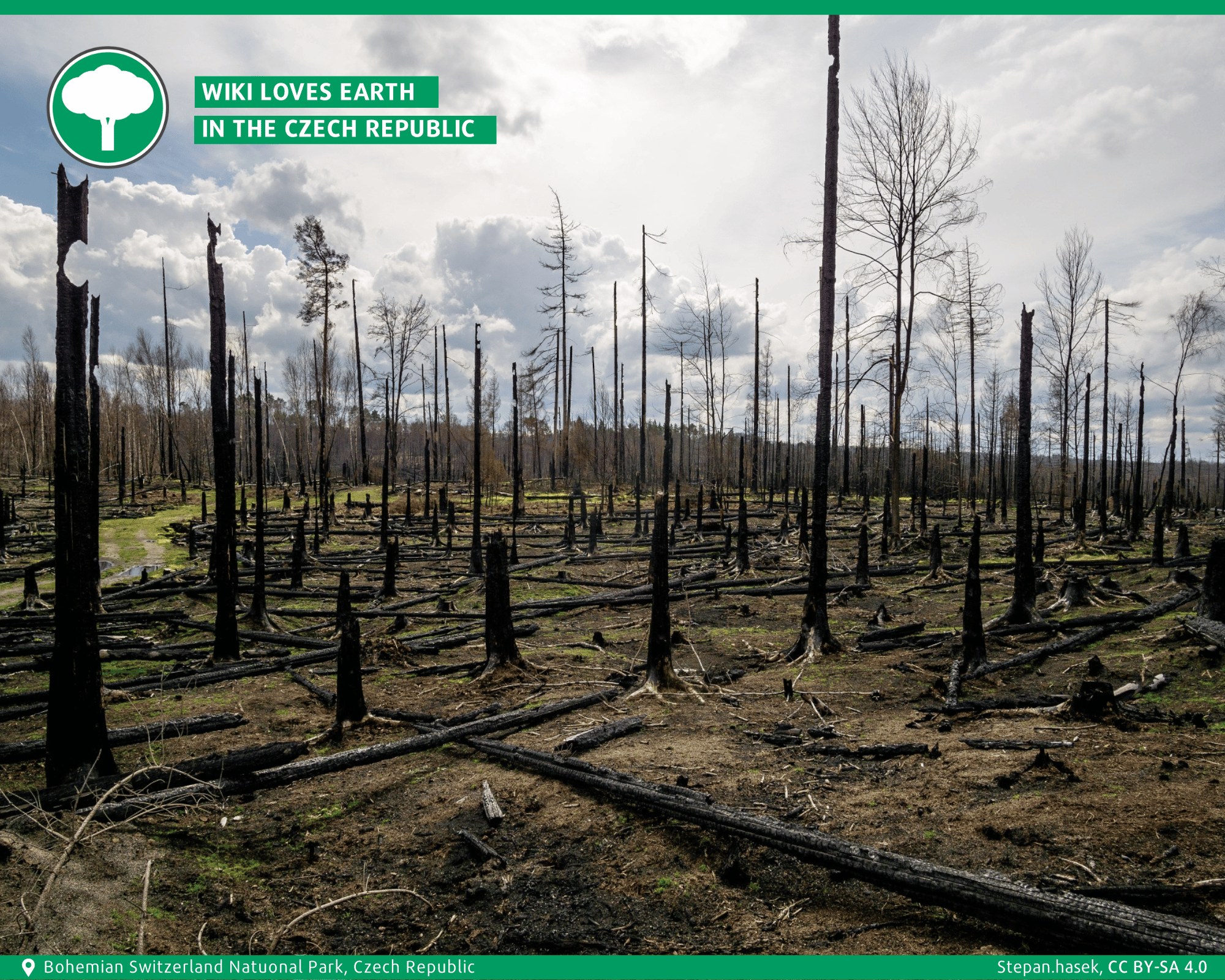
This striking image of a burnt forest in Bohemian Switzerland National Park, Czech Republic, captures the devastating impact of environmental destruction. The blackened, charred trees stand as a silent reminder of the ongoing battle between human activity and nature’s resilience.
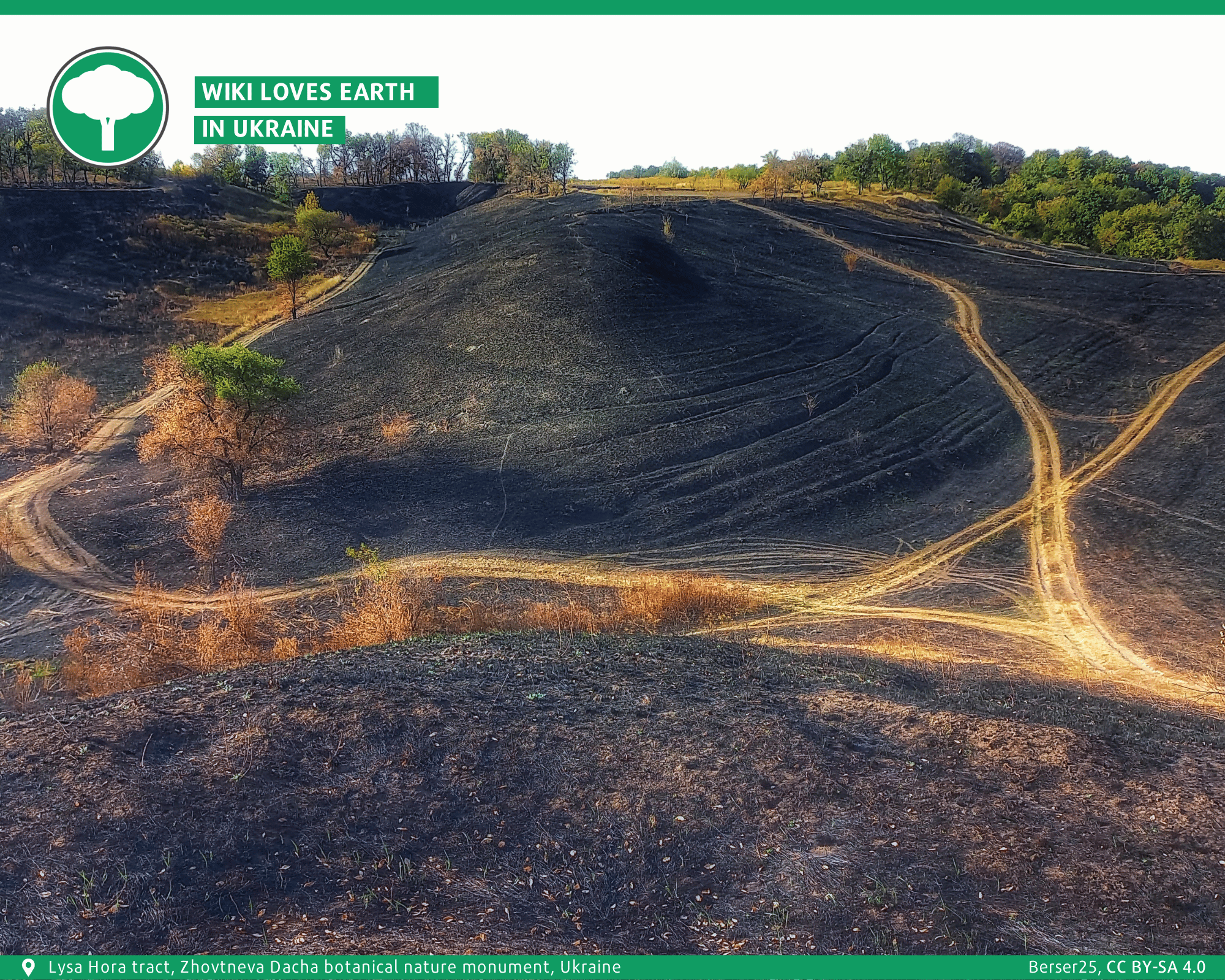
This image shows the aftermath of a wildfire in the Lysa Hora tract, located in the Zhovtneva Dacha botanical nature monument in Ukraine. The photo illustrates the widespread devastation of the landscape, with the blackened earth and scorched vegetation marking the damage. The burn scars are a stark reminder of the delicate balance between nature and the increasing threats posed by environmental crises.
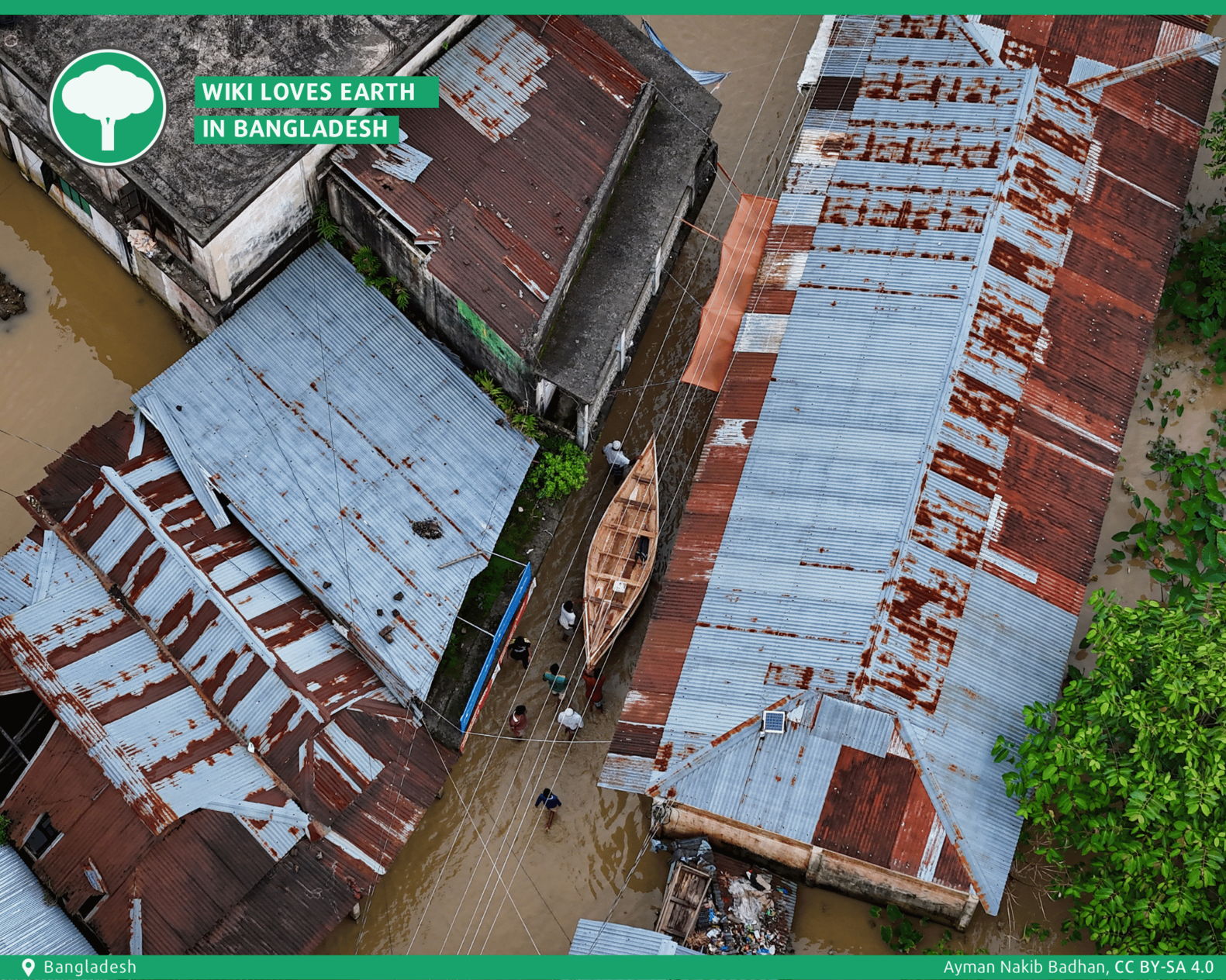
This image from Bangladesh shows men carrying a boat across a flooded road, where water has replaced the asphalt. The scene reflects the surreal reversal of everyday life, as survival becomes the primary focus over routine. The photograph captures both the vulnerability of communities affected by extreme weather and the resilience of individuals navigating this new reality.
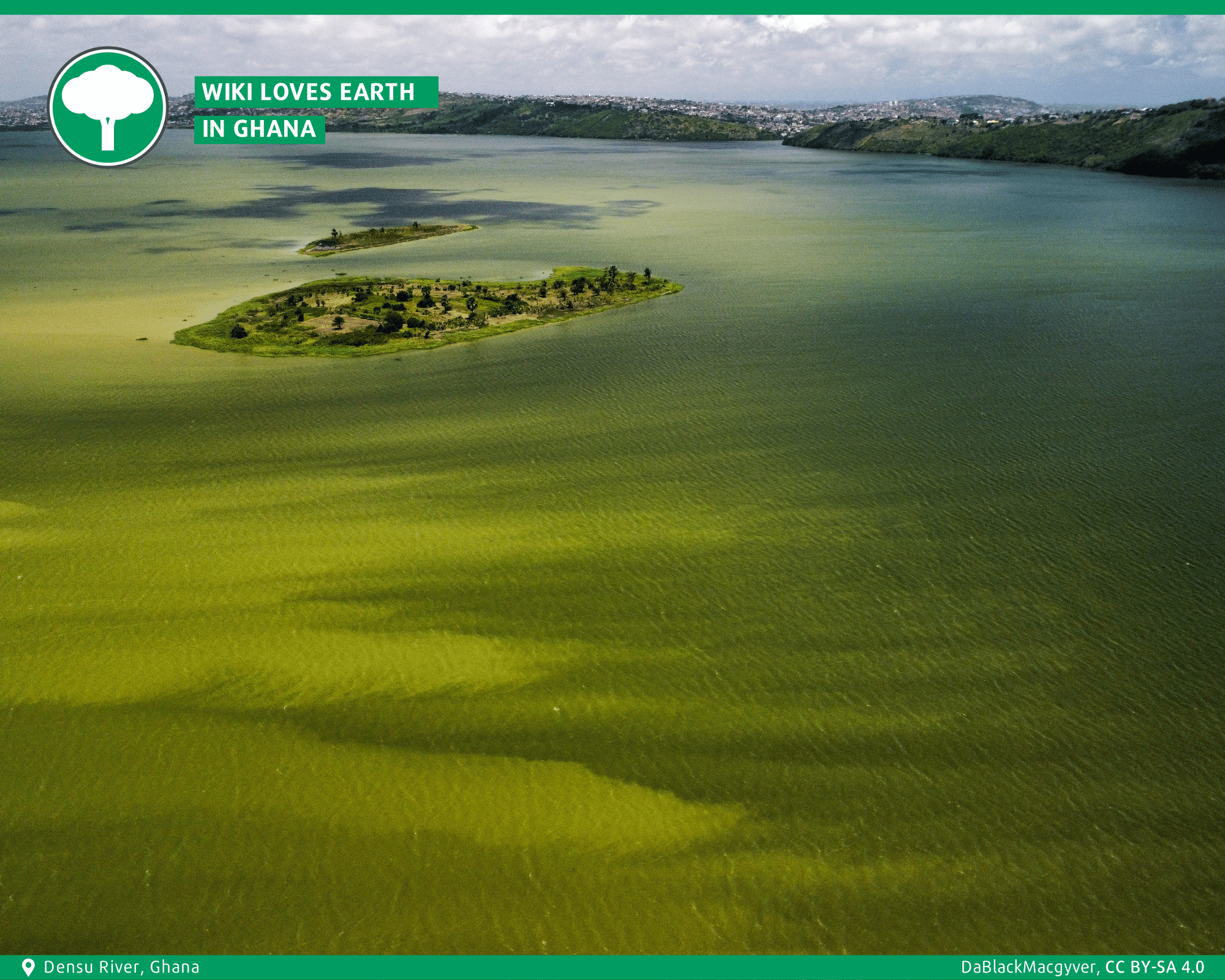
An island on the Densu River, located near the Weija Dam in Ghana, is surrounded by pollution. This powerful image highlights the ongoing environmental challenges and the impact of pollution on natural habitats, underscoring the importance of human rights in the preservation of the environment.
We thank all contributors for using photography to give visibility to these pressing themes and to amplify the connection between human rights and environmental protection.
- Results of this category in the previous year
- The results of “Video” category for Wiki Loves Earth in 2025
- The final top 20 winners of Wiki Loves Earth 2025
Follow the contest on our channels to keep up with updates: